
15 Best Corporate Retreat Activities
A corporate retreat can go sideways fast when the agenda feels like a longer workday in a prettier location. The best corporate retreat activities do something different. They get people talking like people again, create shared stories, and give your team a break from screens, conference rooms, and the usual office roles.
That does not mean every retreat should look the same. A sales team that thrives on friendly competition may want high-energy challenges, while a leadership group might benefit more from reflection, conversation, and time outdoors. The strongest retreat plans usually mix a little adventure, a little structure, and enough breathing room for real connection.
What makes the best corporate retreat activities work
The activity itself matters, but the bigger question is what it allows your team to do. Good retreat experiences lower the usual barriers between departments, titles, and personalities. They give people a chance to contribute in different ways, whether that is problem-solving, storytelling, encouragement, creativity, or simply showing up with a good attitude.
The best options also feel well hosted. If people are worried about logistics, safety, or whether they are about to be embarrassed, the mood changes immediately. That is why professionally guided experiences tend to land better than loosely planned DIY ideas. A retreat should feel welcoming, not awkward.
There is also a trade-off between novelty and accessibility. Something unusual is often more memorable, but if it pushes too far outside your group’s comfort zone, participation drops. The sweet spot is an activity that feels special without making beginners feel left behind.
Best corporate retreat activities for real team connection
Guided horseback riding experiences
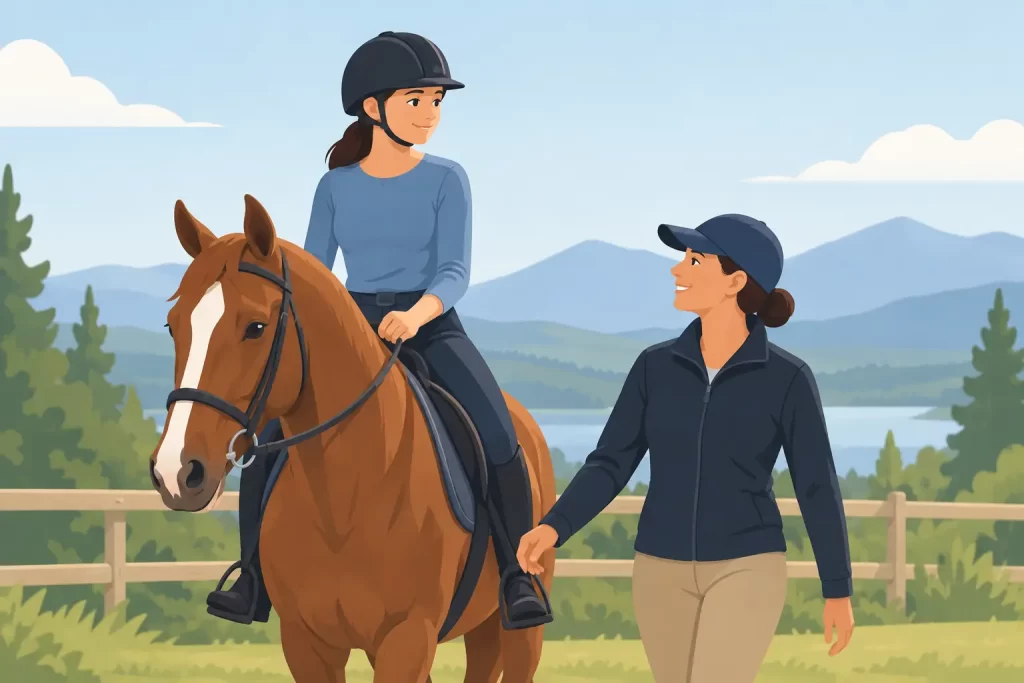
A guided horseback ride stands out because it slows people down in the best way. Teams spend time outdoors, away from notifications and presentations, while sharing an experience that feels distinctly different from the usual off-site lunch or hotel meeting room. For many groups, that shift alone changes the tone of the day.
This works especially well when the ride is designed for conversation rather than a rigid, silent format. A well-led experience gives guests space to enjoy the scenery, talk naturally, and learn something about the land they are moving through. It also helps that horseback riding feels memorable without requiring prior experience. Beginners can enjoy it when the horses are well cared for and the guides know how to make people feel comfortable from the start.
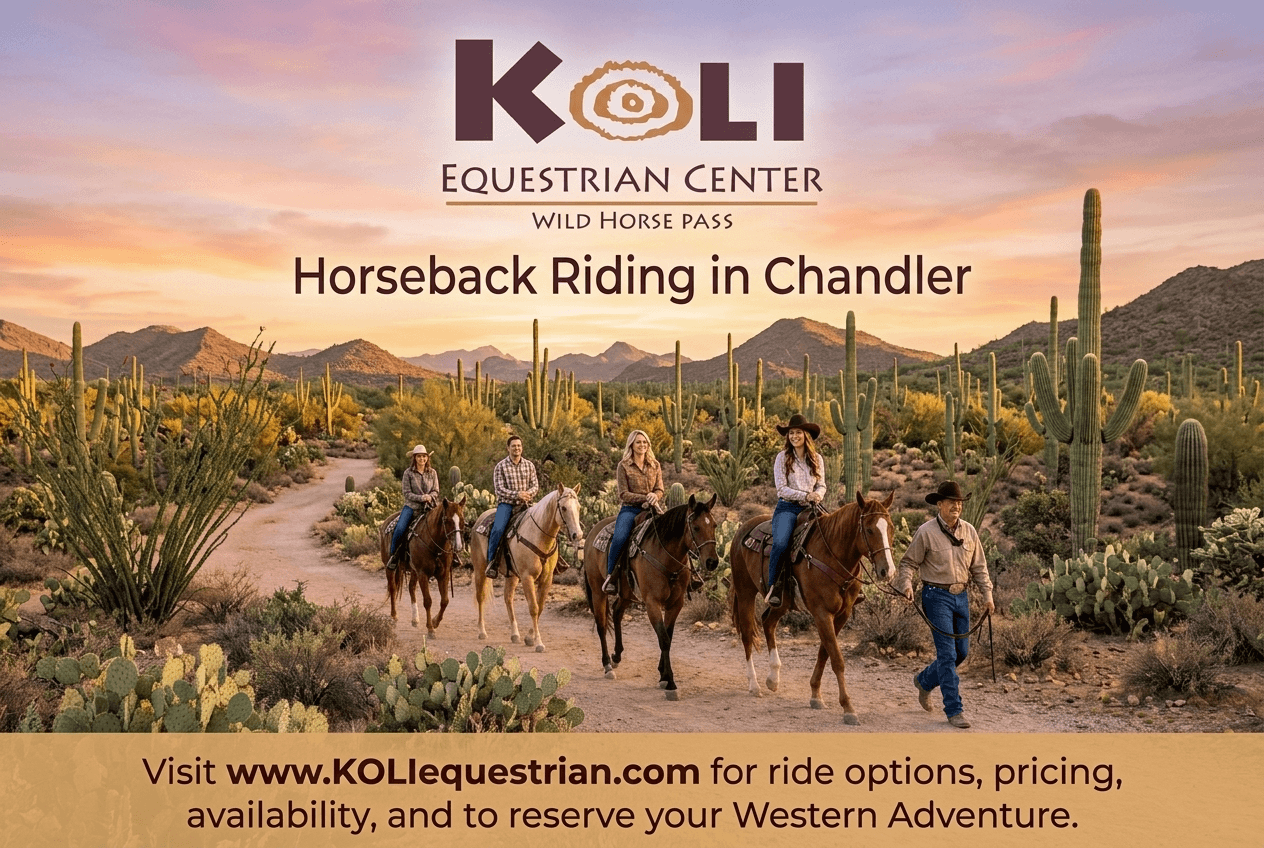
For teams visiting the Phoenix area, an outdoor ride with knowledgeable wranglers can bring together desert scenery, hospitality, and a genuine sense of place in a way a standard retreat activity simply cannot.
Wagon rides and group trail experiences
Not every team wants everyone in the saddle, and that is where wagon-based experiences can be a smart choice. They are social, approachable, and easy to enjoy across a wider range of comfort levels and mobility needs. If your goal is to bring a mixed group together without putting pressure on anyone, this can be one of the most inclusive options.
A wagon experience also creates room for conversation. People are not scattered across a venue trying to make small talk. They are sharing the same view, the same pace, and the same moment. When that experience includes local storytelling or regional history, it becomes more than transportation. It becomes part of the retreat’s identity.
Outdoor scavenger challenges
Scavenger-style activities work because they blend movement, strategy, and teamwork without feeling too formal. Teams have to communicate, divide responsibilities, and make decisions together. You quickly see who leads, who notices details, and who keeps the group calm when plans change.
The caution here is tone. If it becomes too competitive, some groups check out. The better version keeps things light, adds humor, and rewards creativity as much as speed. This is less about crowning a winner and more about getting people to collaborate in a different setting.
Campfire conversations and storytelling sessions
Some of the most valuable retreat moments are the ones that do not feel programmed to death. A campfire gathering, evening storytelling session, or casual outdoor circle can create space for honest conversation that rarely happens in the office. People share stories, laugh more easily, and often leave with a better sense of who their coworkers are outside of job titles.
This format is especially strong for leadership retreats, smaller companies, and teams going through change. It gives people room to reflect without forcing vulnerability. A good host or facilitator can guide the conversation enough to keep it meaningful, while still letting it feel relaxed.
Practical activities that still feel fun
Cooking competitions or outdoor culinary events
Food brings people together with less effort than almost anything else. A cooking challenge, chuckwagon-style meal experience, or collaborative dinner prep gives teams a shared task with an easy payoff. Everyone understands the goal, and the environment tends to be naturally social.
This is a strong choice when you want engagement without a high physical demand. It also works well for mixed groups that include introverts, executives, newer employees, and clients. Just make sure the format is organized enough that nobody is standing around confused while one or two people do all the work.
Problem-solving games with a skilled facilitator
Escape-style challenges, puzzle stations, and strategy games can be effective when your group enjoys mental challenges. They show how teams communicate under pressure, who listens well, and how people handle incomplete information. These are useful if you want the retreat to connect back to workplace skills without feeling like another training session.
Still, these activities are not ideal for every group. If your team already spends all day in analytical mode, a purely puzzle-based retreat can feel draining. In that case, pairing problem-solving with outdoor time or a more physical experience usually creates better balance.
Creative workshops
Art, leatherwork, group mural projects, and hands-on craft sessions can be surprisingly effective for team building. They slow people down, invite different kinds of expression, and create a shared result everyone can point to afterward. For teams that are burned out, this kind of activity often lands better than something loud or highly competitive.
The key is choosing a workshop that feels grounded and enjoyable, not forced. People do not need to become artists for the afternoon. They just need a setting where trying something new feels easy.
How to choose the best corporate retreat activities for your group
Start with your people, not the trend list. A retreat for twenty close-knit employees will look very different from a retreat for a hundred attendees who barely know each other. Group size affects everything from transportation to pacing to how personal the experience can be.
Next, think honestly about energy level. If your team has been stuck in meetings for months, outdoor experiences usually feel refreshing. If they have been traveling nonstop, a lower-key activity may be the better call. The right retreat is not the most impressive one on paper. It is the one your group will actually enjoy.
Accessibility matters too. The best corporate retreat activities make space for different comfort levels, physical abilities, and personalities. That does not mean every activity has to be passive. It means people should have a clear sense of what to expect and a real opportunity to participate.
Finally, choose experiences that reflect place. If you are bringing people to Arizona, let them experience Arizona. Desert landscapes, Western hospitality, and culturally grounded guided activities create a stronger memory than another generic resort ballroom exercise. That sense of place is often what makes a retreat feel worth leaving the office for.
Why outdoor experiences tend to stay with people longer
There is a reason outdoor retreats often get talked about long after they end. Nature changes the pace. People are more present, conversation feels less forced, and shared experiences tend to become stories the team references later. That matters because the memory of a retreat often influences how people feel about the company that hosted it.
A well-run outdoor experience also shows care. It tells your team that this was not thrown together at the last minute. It was chosen with intention. Safety, hospitality, guidance, and authenticity all become part of the message.
That is one reason groups looking for something beyond the usual meeting package often lean toward guided trail rides or wagon experiences. At KOLI Equestrian Center, corporate groups get more than an activity. They get time on the land, experienced hosts, and a setting that feels genuinely memorable without losing sight of comfort or professionalism.
The best retreat activity is usually the one that helps your team feel more human around each other. Choose something with fresh air, real hospitality, and enough room for people to connect naturally, and the rest tends to follow.