How to Prepare Kids for Horseback Riding
The fastest way to tell whether a child will enjoy their first ride is not the horse – it is how the day begins. If the morning feels rushed, confusing, or a little scary, even a gentle horse can feel big. When families ask how to prepare kids horseback riding, the best answer starts well before a boot ever touches a stirrup.
A good first experience should feel exciting, safe, and easy to understand. Kids do best when they know what to expect, what they will wear, and who will be helping them. With the right setup, horseback riding becomes less about nerves and more about wonder – the smell of the desert air, the sound of hooves on the trail, and the pride that comes from doing something new.
How to Prepare Kids Horseback Riding Before You Arrive
Preparation starts with your child’s age, temperament, and energy level. Some kids are bold and ready to meet a horse the second they step out of the car. Others need a little space to watch first. Neither reaction is wrong, and the goal is not to force confidence. The goal is to build it.
Talk about the ride in simple, calm language. Instead of saying, “Don’t be scared,” try, “Your wrangler will show you exactly what to do,” or, “The horse is trained for guided rides.” Children often take emotional cues from adults, so if you speak about the experience with warmth and confidence, they usually settle into that mood too.
It also helps to describe the rhythm of the day. Let them know they will check in, meet the staff, listen to instructions, and then be matched with a horse. That sequence matters. Kids feel steadier when the experience has a clear shape.
If your child is very young or tends to get overstimulated, avoid stacking too much into the same day. A horseback ride after a long drive, a late night, or a packed vacation schedule can be harder than parents expect. Rested kids are usually more cooperative, more attentive, and more likely to enjoy the moment.
Dress Kids for Comfort, Not for Photos
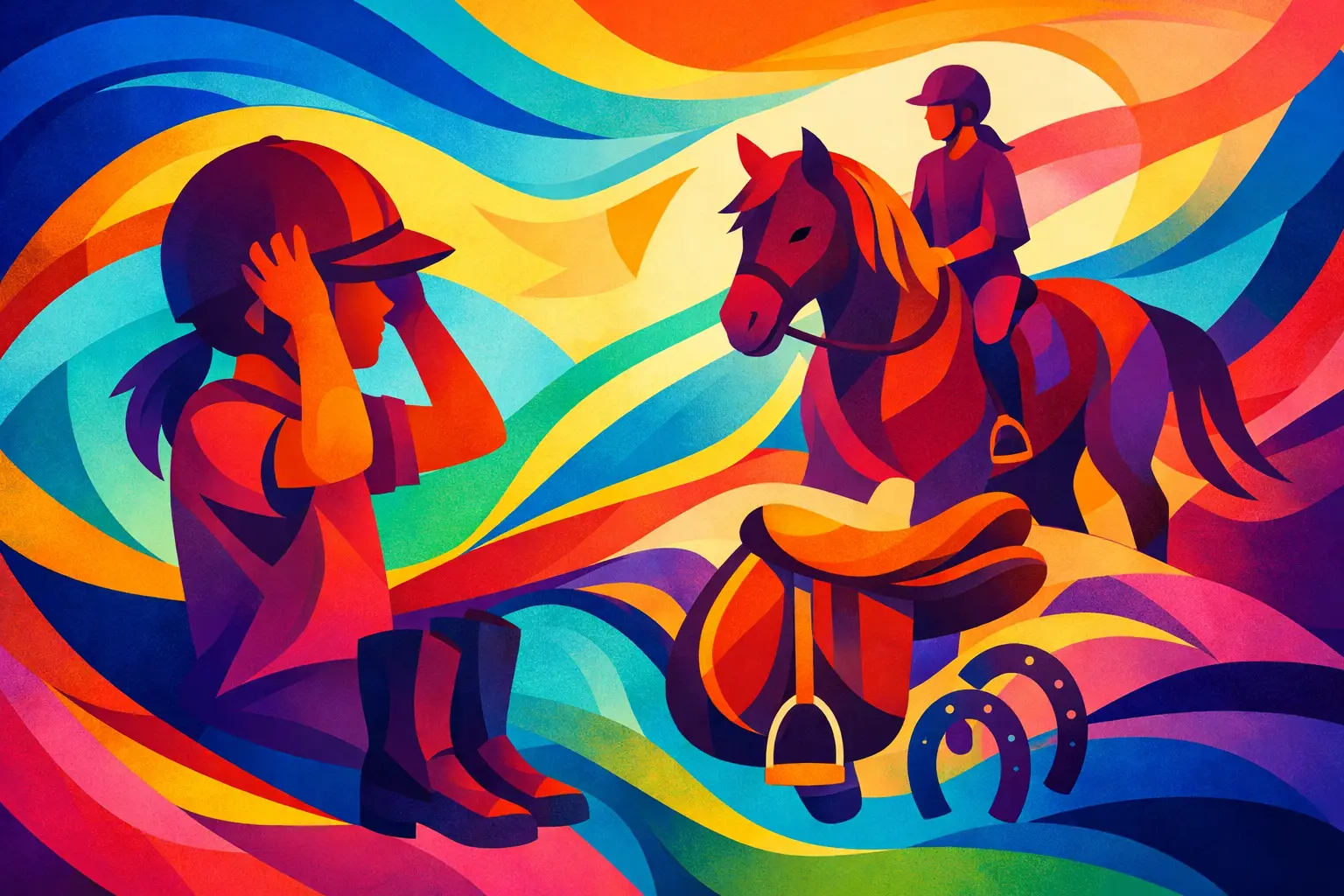
Western hats and picture-perfect outfits are fun, but comfort and safety come first. Kids should wear long pants that allow easy movement and closed-toe shoes with a secure fit. Sandals, Crocs, and loose slip-ons are not good choices around horses.
For tops, choose something lightweight and weather-appropriate. In Arizona, that may mean breathable layers, especially if the morning starts cool and warms up quickly. Skip anything scratchy, too tight, or distracting. If a child keeps tugging at sleeves or complaining about heat, their attention will not be on the ride instructions.
Helmets should always follow the facility’s safety policies. Some parents assume a bike helmet from home is fine, but riding providers typically use approved equipment and have specific fit standards. If helmets are part of the experience, present that as normal and positive. Kids usually accept safety gear easily when adults do not make it feel optional or dramatic.
Sunscreen matters too, especially in open desert country. Apply it before arrival so there is one less thing to manage during check-in. A little planning here can prevent the kind of discomfort that turns a memorable outing into a short one.
Build Confidence Without Overselling It
One of the most common mistakes parents make is promising too much. Telling a child, “You’re going to love this,” can backfire if they feel unsure. A better approach is to say, “We’re going to try something special, and the wranglers will help you every step of the way.”
That language gives kids room to be themselves. It also keeps the focus on support rather than performance. Horseback riding is not a test. For first-timers, it is an introduction to the horse, the trail, and the feeling of being guided through a new environment.
If possible, show children a few realistic photos or short videos of guided riding before the visit. Seeing families sitting calmly in the saddle can make the experience feel familiar. Just keep the examples simple and age-appropriate. You are trying to remove mystery, not create pressure.
Some children also do well with basic horse manners explained ahead of time. Teach them to use quiet voices, walk instead of darting around, and wait for instructions before touching an animal. These are small things, but they help kids arrive ready to participate respectfully and safely.
What Parents Should Say on the Ride Day
The best ride-day conversations are short and steady. Children rarely need a long speech. They need a few reassuring truths repeated clearly.
Tell them the horse is cared for by experienced people. Tell them they do not have to know everything before they arrive. Tell them listening matters more than being brave. That last point is especially useful because it reframes success. A child does not need to look fearless to do well. They just need to follow directions and stay present.
Parents should also be careful not to transfer their own nerves. Kids notice when adults hover, over-explain, or ask the staff the same anxious question three different ways. Trusting the wranglers in front of your child helps your child trust them too.
At a place like KOLI Equestrian Center, where the experience is guided and designed to feel personal rather than rushed, children often settle in quickly when they realize they are in capable hands. That sense of hospitality matters just as much as the ride itself.
How to Prepare Kids Horseback Riding if They Feel Nervous
Nervous does not mean not ready. In fact, many kids who start cautious end up feeling the proudest afterward. The key is giving them a path into the experience instead of pushing them to jump straight into confidence.
If your child seems uneasy, acknowledge it plainly. Say, “It is okay to feel a little unsure when something is new.” That kind of response makes room for the feeling without feeding it. Avoid teasing, bargaining, or comparing siblings. Nothing shuts a child down faster than feeling embarrassed.
Once you arrive, let the staff lead the interaction with the horse. Professional wranglers know how to read both horses and riders, and they can usually tell when a child needs more explanation, more space, or a gentler introduction. Sometimes just hearing instructions from a calm, experienced guide lands better than hearing them from a parent.
It also helps to focus children on one job at a time. First, stand quietly. Then listen. Then mount with help. Then sit tall and breathe. Small steps feel manageable. Big ideas like “ride the whole trail” can feel overwhelming before the ride even starts.
Set Expectations That Match the Experience
Horseback riding with children goes best when parents understand what makes a first ride successful. Success is not a perfect photo, a big smile every second, or a child acting like they have been riding for years. Success is a safe, supported experience where the child feels included and finishes wanting to talk about what they saw and felt.
That is especially true for family outings built around scenery and shared adventure. In the desert, kids often remember the wider experience just as much as the horse – the open views, the stories told along the way, the feeling of doing something real outdoors instead of just watching a screen.
There is also a trade-off to keep in mind. Some children want lots of information, and others do better with just the basics. Some are ready for a longer outing, while others may be happier with a shorter, more introductory experience. Parents know their child best, but the best providers can help match expectations to ability and comfort level.
After the Ride Matters Too
When the ride ends, resist the urge to immediately evaluate it with too many questions. Instead of asking, “Did you love it?” try, “What was your favorite part?” That opens the door for a real answer.
Some kids will talk about the horse right away. Others will mention the wrangler, the landscape, or how tall they felt in the saddle. Those details tell you what connected with them. If they were hesitant at first, take a moment to recognize their effort. Confidence grows when children feel proud of what they did, not just relieved that it is over.
If the first ride goes well, keep the momentum gentle. Let them look at photos, tell the story to grandparents, or talk about what they learned. A positive memory gets stronger when children have a chance to revisit it.
Preparing kids for horseback riding is really about preparing them for a good experience with animals, with guides, and with the outdoors. When families slow down, dress for comfort, keep expectations realistic, and trust the professionals leading the ride, kids have space to enjoy what makes horseback riding special. Sometimes all a child needs is a calm start, a well-matched horse, and someone beside them saying, “You’re ready. Let’s go see the trail.”