
Guided Horseback Tour Review: What Stands Out
The best guided horseback tour review usually starts before anyone puts a boot in the stirrup. You can feel the difference in the parking area, at check-in, and during the first conversation with the wrangler. If the staff is welcoming, the horses look calm and well cared for, and the instructions are clear without feeling stiff, that is usually a strong sign you are about to have a good ride.
That matters because most riders are not looking for a technical equestrian test. They want an experience that feels safe, memorable, and worth talking about later. For some, that means a fun family outing. For others, it means a date, a group activity, or a chance to see Arizona’s desert landscape from a different perspective. A useful review should help people understand what the ride actually feels like, not just whether it was “nice.”
What a guided horseback tour review should actually cover
A lot of reviews miss the most important part. They focus on the scenery or say the horses were beautiful, but they do not explain whether the experience felt personal, organized, and comfortable for different skill levels.
A strong guided horseback tour review should look at four things together: safety, hospitality, horse quality, and the guide’s ability to shape the ride into something more than a basic trail outing. If one of those is weak, guests usually notice. A gorgeous desert route will not make up for rushed instructions. Friendly staff cannot fully make up for horses that seem poorly matched to riders. And even a smooth ride can feel forgettable if the guide treats it like a routine shift instead of a shared experience.
That is where the best operators separate themselves. They understand that horseback riding is part recreation and part storytelling. The land matters. The people matter. The horses definitely matter. But the way those pieces come together is what guests remember.
First impressions tell you a lot
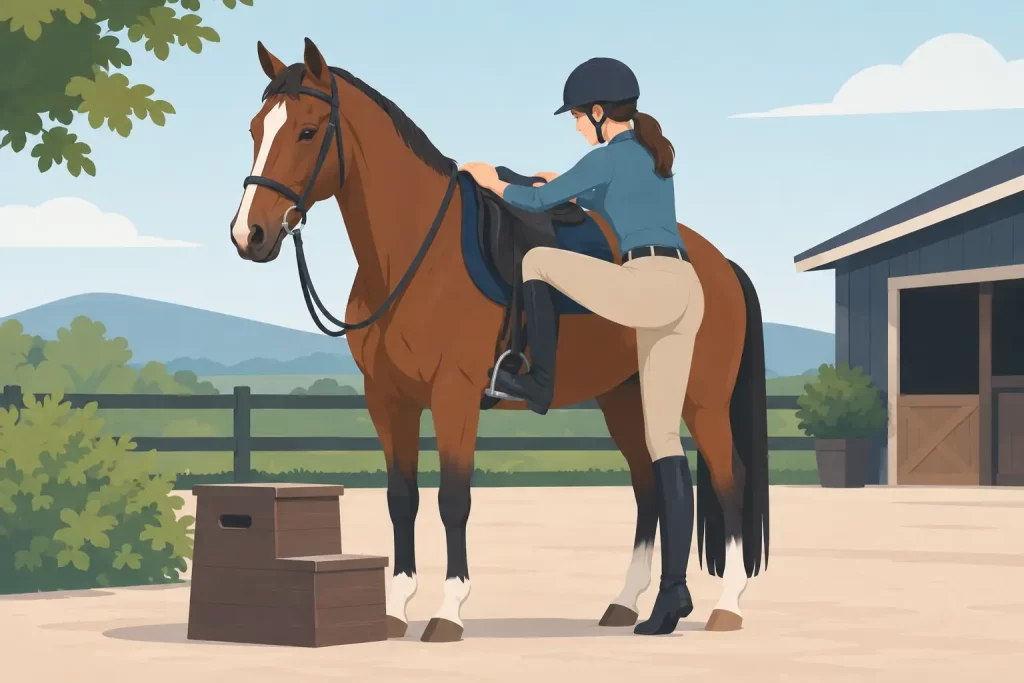
Before the ride begins, most guests are quietly deciding whether they feel comfortable. Beginners especially are paying attention to how they are greeted and whether the staff explains things in a calm, respectful way. Nobody wants to feel talked down to. Nobody wants to feel rushed either.
The best experiences begin with clear guidance and real hospitality. You should know where to go, what to expect, and how the ride will be handled. Good wranglers read the group quickly. They can spot the nervous first-timer, the excited kid, the couple taking photos, and the experienced rider who wants a little more room to enjoy the scenery. That awareness shapes everything that follows.
This is also the point where horse care becomes visible. You may not be an expert, but you can still notice whether the horses appear healthy, relaxed, and accustomed to working with people. Guests trust an operation more when the horses look settled and the staff handles them with confidence and care.
The guide makes or breaks the ride
If there is one thing every guided horseback tour review should emphasize, it is the quality of the guide. A good wrangler is not just there to lead the line. They set the tone, manage the pace, answer questions, and help riders feel connected to the setting.
That is especially true in the desert. The landscape has its own rhythm. There is history in the trails, character in the terrain, and a certain quiet that people do not always expect when they arrive from the city. A guide who understands the land and can interpret it adds depth to the experience. Instead of simply moving from point A to point B, the ride starts to feel rooted in place.
There is a trade-off here worth mentioning. Some guests want a highly social ride with conversation and insight throughout. Others prefer a more peaceful atmosphere with just enough instruction to feel comfortable. The strongest operators know how to balance that. They do not overwhelm the group, but they also do not disappear into the background.
When cultural context is part of the experience, it should feel respectful and informed, not scripted. That is one of the biggest differences between a generic attraction and a ride that leaves a real impression.
Not all trail rides feel the same
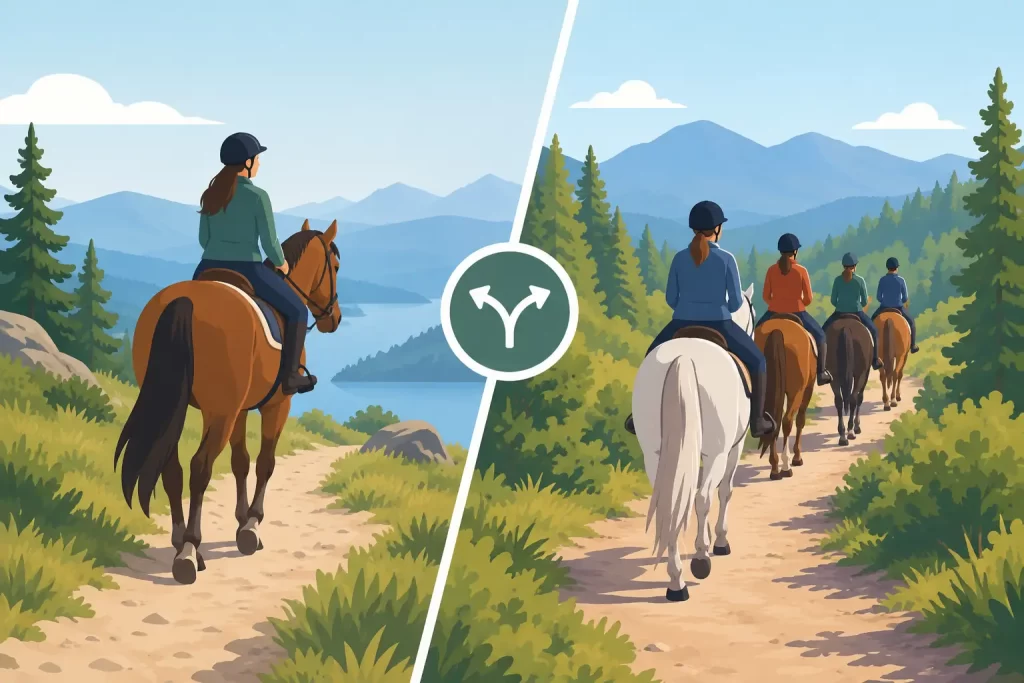
People often assume all guided rides follow the same format. They do not. Some are very rigid, with riders kept tightly packed and moved through the route with little room to relax. That approach may suit certain operations, but it can make the experience feel more controlled than enjoyable.
A more thoughtful format gives riders appropriate spacing, allows for conversation, and creates a stronger sense of being out in the landscape rather than just passing through it. For beginners, this can actually feel less intimidating. They are not as focused on the person directly in front of them. They have a little breathing room to settle in and enjoy the horse beneath them.
That is where a desert ride near Phoenix can surprise people. They may expect a simple tourist activity and end up finding something more immersive – scenic views, warm hospitality, and a guide who shares knowledge about the region in a way that feels natural.
Horses matter more than most reviews admit
Many guests do not know how to judge a horse program, so they rely on simple descriptions like “sweet horses” or “great ride.” That is understandable, but it leaves out useful detail.
What people really want to know is whether the horses seem suitable for mixed experience levels. Are they calm? Are they responsive without feeling intimidating? Do they appear used to guests and comfortable in their environment? A quality operation pairs riders thoughtfully and does not treat horses like interchangeable equipment.
You can usually feel the difference. A well-matched horse helps a beginner relax within minutes. An experienced rider may notice that the horse is attentive and steady, even in a group setting. Good horse selection is not flashy, but it is one of the biggest reasons people finish a ride smiling instead of just relieved.
What beginners should look for in reviews
If you are new to horseback riding, the most helpful review is not always written by the most experienced rider. It is often written by someone who arrived a little nervous and left feeling confident.
Look for signs that the staff explained the basics clearly and treated first-time riders with patience. Notice whether the review mentions feeling safe, not just having fun. See if it says the guide checked in with riders during the experience. Those details usually matter more than how dramatic the scenery looked in photos.
Families should pay attention to whether reviews mention age-appropriate guidance and a relaxed, welcoming environment. Couples and friend groups may care more about the overall atmosphere – whether the ride felt personal and memorable rather than rushed. Corporate groups and event planners should look for signs of professionalism, organization, and consistency. Different guests want different things, and a good review helps each person picture the fit.
What makes a ride worth recommending
A ride becomes share-worthy when guests feel taken care of from beginning to end. That means the booking process is straightforward, arrival is organized, the staff is genuinely friendly, and the experience delivers on what was promised.
It also means the ride has character. People remember the guide who made them laugh, the horse that helped them feel brave, the quiet stretch of trail where the desert opened up, and the stories that gave the land meaning. Those are the moments that turn a nice outing into something people recommend to friends visiting Arizona.
At KOLI Equestrian Center, that difference comes from combining professional horsemanship with hospitality and cultural connection. The result feels less like a standard trail ride and more like time well spent outdoors with people who know how to make guests feel welcome.
A practical way to read any guided horseback tour review
When you read reviews, look past star ratings for a minute. Ask whether guests mention clear instruction, calm horses, attentive guides, and a setting that felt special. If multiple reviews mention the same strengths, that is usually meaningful. If they repeat the same concern, that matters too.
It also helps to notice what reviewers do not say. If there is plenty of praise for scenery but little mention of staff, horse quality, or organization, the experience may be visually appealing but not especially memorable. The best reviews usually sound specific because the experience gave people specific things to remember.
A great ride should leave you with more than a few photos. It should give you a sense of place, a little confidence, and the feeling that your time was genuinely valued. That is what makes a horseback tour worth booking, and worth talking about after the dust settles.