Plan a Western Adventure for Corporate Groups
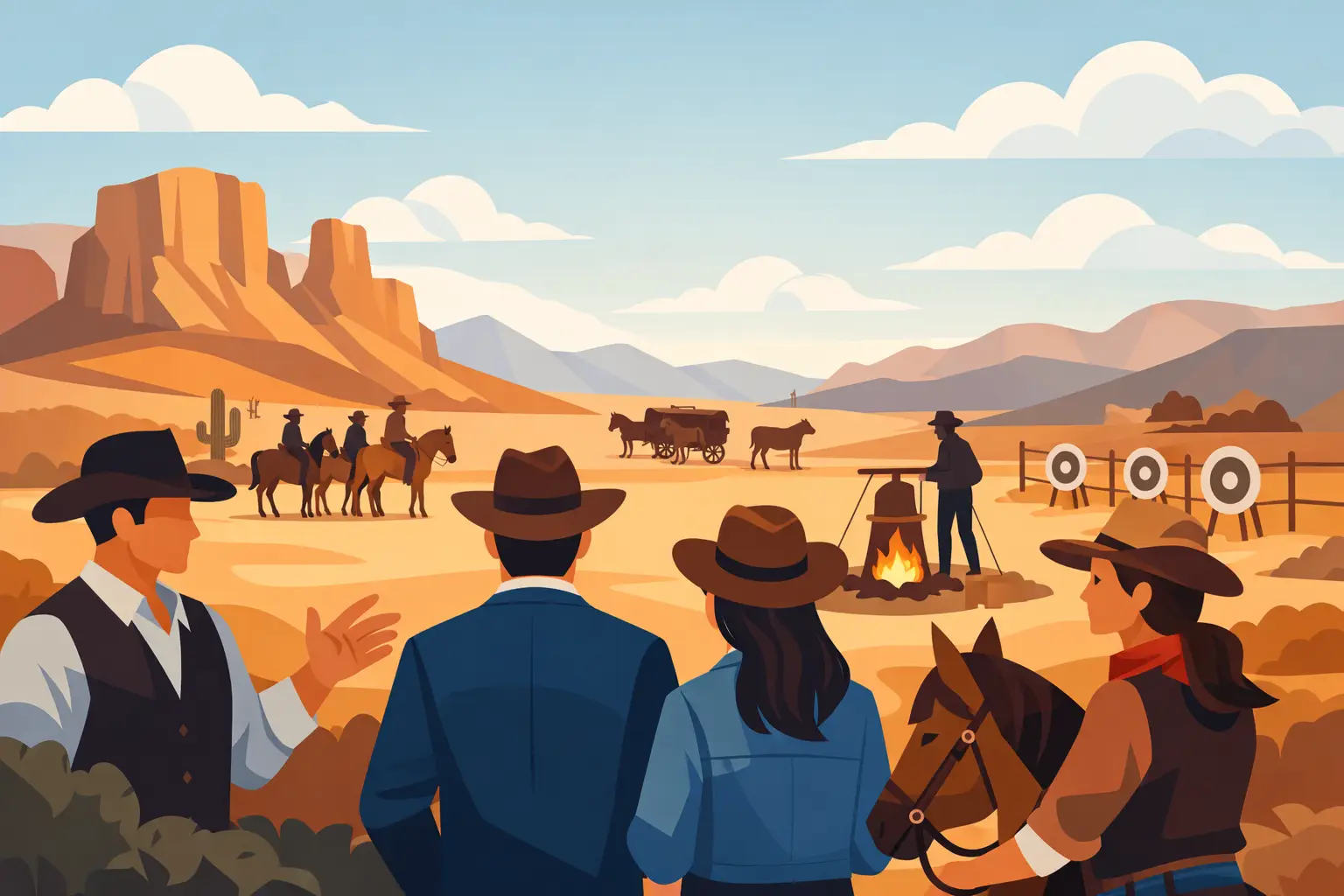
The best corporate outings give people something real to talk about after the meeting notes are forgotten. A western adventure for corporate groups replaces another hotel ballroom activity with open desert views, the steady presence of well-cared-for horses, and time for colleagues to connect beyond job titles. It is not about turning everyone into an expert rider. It is about sharing an experience that feels distinctly Arizona, carefully guided and genuinely memorable.
For teams gathering in the Phoenix area, the right Western experience can be both relaxed and meaningful. Colleagues arrive with different comfort levels, different personalities, and different expectations. A professionally hosted outing gives the group room to enjoy the land together while experienced wranglers handle the details that make guests feel welcome and safe.
Why a Western Adventure Works for Corporate Groups
Corporate events often have two competing goals: reward the team and strengthen relationships. A seated dinner can do the first, but it rarely changes the usual dynamics. A guided horseback ride or wagon experience gives people a shared point of focus without forcing artificial icebreakers.
Out on the trail, conversations happen naturally. A manager may be riding beside a new team member. A client may ask a question about the landscape that turns into a real conversation rather than polite small talk. The pace allows guests to notice the desert, listen to their guide, take photos, and enjoy the company around them.
That change of setting matters. Teams who spend their workdays looking at screens benefit from an experience that asks them to be present. The horse beneath them, the sound of the trail, and the wide Arizona horizon create a welcome contrast to a packed agenda. It is adventurous without asking guests to prove anything.
Make the Experience Comfortable for Every Guest
The strongest corporate outing is not designed only for the most outgoing people in the room. It accounts for first-time riders, guests who are more comfortable on a wagon, and people who simply want a well-organized outdoor experience.
Start With the Right Format
Horseback riding offers an active, personal connection to the landscape, while a wagon experience can create an easygoing shared setting for a larger or more mixed group. Some events are best built around a guided ride. Others benefit from a wagon-based option that keeps friends, coworkers, and family members together in one conversation.
The choice depends on the group. A small leadership retreat may appreciate the quieter feel of a private ride. A department celebration with a wide range of ages and comfort levels may be better served by a wagon experience or a plan that offers more than one way to participate. There is no one-size-fits-all answer, and a good host will help shape the activity around the guests rather than forcing the group into a preset mold.
Choose a Team That Welcomes Beginners
For many corporate guests, this may be their first time on horseback. That is not a drawback. It is an opportunity to give people a new experience with the reassurance of trained horses, clear instructions, and attentive wranglers.
Guests should know what to expect before they arrive: how to dress, when to arrive, what safety guidance will be provided, and whether there are rider requirements to consider. Comfortable closed-toe shoes, practical clothing, and protection from the Arizona sun go a long way. Just as important, guests should feel free to ask questions without embarrassment.
At KOLI Equestrian Center, the goal is not a rigid, head-to-tail line where everyone stares at the back of the next horse. Guided rides are designed to give riders appropriate spacing, social connection, and time to take in the scenery, always under the direction of knowledgeable wranglers. That difference helps a group outing feel personal rather than packaged.
Build in Time to Arrive and Settle In
A corporate schedule can become too tight before anyone reaches the trail. Avoid planning an arrival window that gives guests only minutes to park, sign waivers, meet their wranglers, and get oriented. A little breathing room lowers the pressure and lets the experience begin on a welcoming note.
If the group is coming from Phoenix, Scottsdale, Tempe, Chandler, Mesa, Gilbert, Ahwatukee, or another nearby area, account for travel time and the realities of gathering people from multiple locations. The goal is for guests to arrive ready to enjoy themselves, not apologizing for a rushed entrance.
Add Meaning, Not Just Activity
A Western corporate outing should feel connected to the place where it happens. The desert is not a blank backdrop for photos. It holds layers of regional history, living culture, and natural character that can make an event more meaningful when shared with care.
Guides who know the land can add that depth through stories about the region, the horses, and the heritage of the area. For experiences on the Gila River Indian reservation, cultural interpretation should be approached with respect, not treated as a costume or a theme. Done well, it gives visitors a more thoughtful understanding of where they are and why the landscape matters.
This is especially valuable for visiting teams. Rather than leaving Arizona with only a restaurant receipt and a conference badge, guests take home a sense of place. Local teams get something worthwhile, too: a chance to see familiar surroundings with fresh eyes.
Plan the Day Around the Moment You Want to Create
Before choosing a date or activity, decide what success looks like. Is the event meant to thank employees after a demanding season? Welcome a group of clients? Give a leadership team time away from the office? Celebrate a milestone? The answer influences the best group size, format, timing, and level of privacy.
A sunrise or early-day outing may suit a group that wants cooler air and a full afternoon afterward. A later experience can fit a conference schedule or lead naturally into a meal and conversation. Seasonal conditions matter in Arizona, so flexibility is often a strength. The most comfortable time for guests may not be the most obvious time on a calendar.
It also helps to consider the energy of the group. A team that has spent two days in workshops may want a peaceful trail experience and plenty of time to talk. A celebratory group may want a more lively wagon setting, photos, and a clear moment for recognition. The activity should support the purpose, not compete with it.
Ask the Practical Questions Early
A polished event feels easy because the planning was handled beforehand. When speaking with an outfitter, share an honest picture of your group, including estimated attendance, experience levels, timing needs, and any guests who may need an alternative to riding. Ask how the team handles orientation, horse matching, safety procedures, weather considerations, waivers, and group pacing.
Also ask what the guests will experience beyond the ride itself. Will there be time to meet the horses? Can the group take photos before or after? Is the experience private, or will others be present? These details shape the mood of the day and help an event planner communicate clearly with attendees.
Price matters, but the lowest number is not always the best value. An outing can look inexpensive until it creates confusion, excludes part of the group, or leaves guests feeling like they were moved through a line. Professional hosting, appropriate horse and guest matching, informed guides, and thoughtful pacing are part of what turns an activity into a successful corporate event.
Let the Shared Story Carry Back to Work
The most useful team-building does not need a worksheet. It needs a shared experience that makes people see one another a little differently. Someone who was quiet in a meeting may be the first to ask a thoughtful question on the trail. A colleague who rarely speaks with another department may find an easy connection while taking in the view.
Encourage guests to put their phones away for at least part of the experience, then leave room for photos and conversation afterward. The pictures will be shared, but the better takeaway is the story behind them: the first-time rider who felt confident, the group laughter during orientation, the guide who made the landscape come alive, and the calm that settled in once the team stepped away from work.
A well-planned western adventure for corporate groups does more than fill an afternoon. It gives people a chance to feel welcomed, capable, and connected to one another in a place they will remember long after they return to their desks.