
Kids Horseback Riding for a Confident First Ride
A child’s first view from the saddle is often bigger than the ride itself. Kids horseback riding (ages 7+) gives young adventurers a chance to slow down, notice the desert around them, and build confidence alongside a calm, well-cared-for horse. For Phoenix-area families and visitors, it can become the kind of shared memory that lasts far beyond a weekend outing.
The best first experience is not about making a child feel fearless. It is about helping them feel prepared, supported, and proud of trying something new. With the right horse, an experienced wrangler, and expectations that fit the child, horseback riding can be both exciting and comfortably manageable.
What Makes Kids Horseback Riding a Good First Adventure?
Horses invite children to be present. They learn that a horse responds best to a quiet voice, gentle hands, and clear direction. That simple connection can be especially meaningful for kids who spend plenty of time indoors or behind screens.
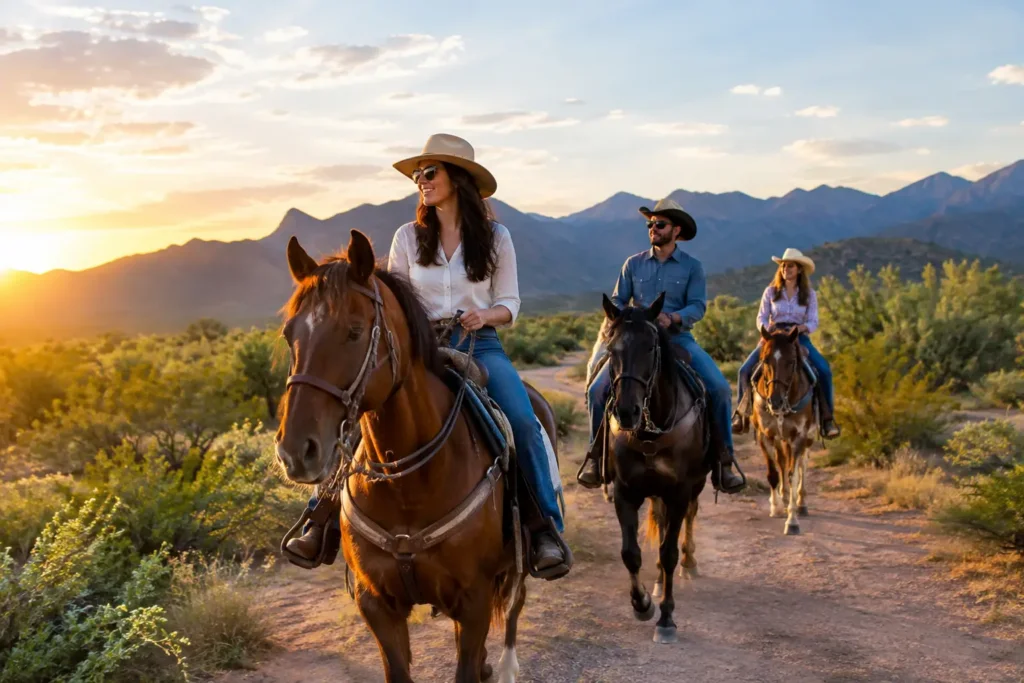
A guided ride also offers more than scenery. Along a desert trail, children may spot native plants, hear stories about the land, and see Arizona from a perspective they cannot get from a car window. When guides share regional history with care and respect, the experience gains a sense of place. It becomes an outdoor adventure with something real to take home besides photos.
There is a practical benefit, too. Riding asks kids to sit tall, pay attention, follow instructions, and stay aware of the horse and trail. Those are worthwhile skills, but they should develop naturally through a fun, well-managed experience rather than pressure.
Start With the Right Kind of Ride
Not every horseback outing is designed for young first-timers. Parents should look for a provider that clearly explains age, height, and weight requirements before booking. Those guidelines are not arbitrary. They help match each rider with an appropriate horse and help the wrangling team create a safe, enjoyable group experience.
A child’s readiness matters as much as their birthday. Some younger riders are calm, attentive, and eager to listen, while some older children may need more time around animals before they are comfortable. Consider whether your child can follow directions, remain seated for the duration of the ride, and stay composed when a horse moves or makes an unexpected sound.
For a first outing, a shorter guided experience is often the better choice. It gives kids time to settle into the saddle without asking too much of their attention or stamina. If your child leaves wishing they had more time with the horse, that is a great reason to plan the next adventure.
Why Horse Matching Matters
A good children’s riding experience begins before anyone mounts. Professional teams know their horses’ personalities, comfort levels, and usual pace. They can make thoughtful matches based on the child’s size, confidence, and prior experience.
Parents should not expect a child to be placed on the smallest horse simply because it looks less intimidating. A steady horse that suits the rider’s build and temperament is the better choice. The goal is for the young rider to feel secure, not overwhelmed or overly responsible for managing the horse.
At KOLI Equestrian Center, knowledgeable wranglers help set the tone from the beginning, introducing riders to the horses and explaining what to expect before the group heads out. That personal guidance makes a meaningful difference for children who are stepping into a stirrup for the first time.
How to Prepare Your Child Before the Ride
A little preparation can turn first-ride jitters into healthy excitement. Explain that horses are gentle, powerful animals that deserve calm behavior and respect. Children do not need a long lecture. A few clear expectations are usually enough: listen to the wrangler, use quiet voices near the horses, keep hands where instructed, and ask for help whenever they need it.
It also helps to describe the ride honestly. The saddle may feel different than expected, the horse may stop to look around, and the trail may have natural bumps. Let your child know that feeling nervous at first is normal. Confidence often comes after the first few minutes, once the horse’s rhythm begins to feel familiar.
Dress for comfort and protection. Closed-toe shoes are essential, and long pants are usually more comfortable than shorts against a saddle. In Arizona, sun protection matters even during cooler months. Bring water, use sunscreen, and choose lightweight layers when the weather calls for them. A properly fitted helmet should be used whenever it is provided or required by the operator.
Avoid presenting the outing as a test of bravery. Instead, frame it as a chance to meet a horse, enjoy the trail, and try something different together. Kids take their emotional cues from adults. A relaxed parent helps create a relaxed rider.
What Safety Looks Like on a Family Ride
Safety is not a single rule. It is the full experience working together: trained horses, properly maintained equipment, clear instructions, attentive wranglers, sensible group management, and riders who understand what is expected of them.
Before mounting, families should receive a straightforward orientation. Children need to know how to sit in the saddle, where to place their feet, how to hold the reins, and what to do if they feel uncertain. Good instruction is simple enough for a young rider to remember once the ride begins.
During the experience, guides should remain engaged with the group rather than simply pointing everyone down a route. A well-led ride allows guests to enjoy conversation and scenery while still keeping the group organized and responsive. The atmosphere can feel relaxed without becoming casual about safety.
Parents can support that process by staying focused during the briefing, even if they have ridden before. Different operators may have different procedures, and children notice when adults take instructions seriously. If a child becomes uncomfortable, speak up early. Wranglers would much rather address a concern promptly than have a young rider try to push through distress.
Make Room for the Experience, Not Just the Photos
Of course, you will want a picture of your child in the saddle. Take it. Then put the phone away for a while.
The small moments are usually what children remember: the warmth of the horse’s coat, the sound of hoofbeats on the trail, a wrangler sharing a story, or the first time they realize they are doing something they once thought was too big. Those memories have more room to grow when nobody feels rushed to perform for the camera.
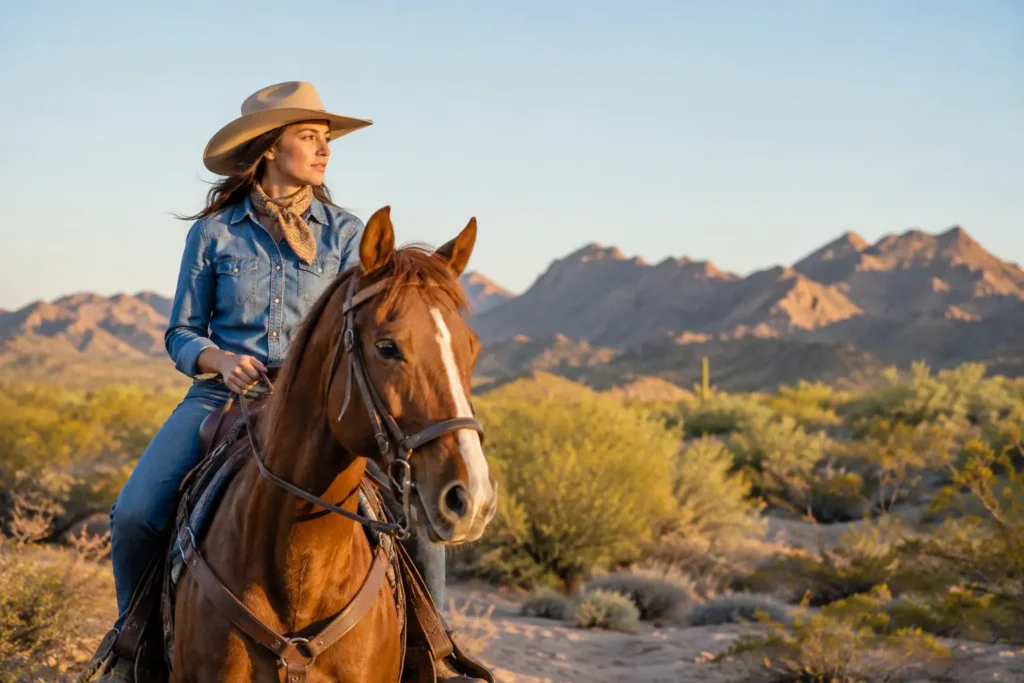
A guided desert ride can be especially meaningful for visiting families. The Sonoran landscape has its own character, from open views and mountain backdrops to the hardy plants that thrive in the heat. For local families, it offers a fresh way to experience familiar surroundings. Either way, a culturally grounded guide can help turn a scenic ride into a deeper encounter with the region.
After the Ride, Let the Story Continue
Children often have a lot to say once their feet are back on the ground. Ask open questions: What did they notice about their horse? What felt surprising? Which part of the trail did they like best? Their answers may reveal a new interest in animals, the outdoors, or local history.
If your child wants to ride again, build on the positive experience rather than rushing into a more advanced outing. Repetition helps young riders become more comfortable with horses and more confident in their own ability to listen, learn, and adapt. If they decide one ride was enough for now, that is fine too. A good first experience respects the child’s pace.
Choosing a Ride Your Family Will Feel Good About
The right provider should make booking feel clear, not confusing. Look for upfront requirements, practical clothing guidance, details about the length and nature of the experience, and a team that welcomes questions. Families should never feel embarrassed to ask whether a ride is appropriate for a child’s age or experience level.
It is also wise to consider the setting. A polished arena lesson and a guided trail experience offer different benefits. A lesson may be better for a child who wants ongoing riding instruction, while a guided trail ride can be ideal for families seeking an accessible outdoor adventure together. Neither is automatically better. The best option depends on your child’s comfort level and what you hope the day will feel like.
Kids horseback riding is at its best when it is treated as an introduction to horses, the desert, and a new kind of family time. Choose a team that leads with care, give your child permission to take the experience at their own pace, and let the trail do what it does best: make an ordinary day feel wonderfully unfamiliar.