
How to Choose Best Corporate Retreat Venues Arizona
A retreat agenda can look perfect on paper and still leave a team checking email between sessions. The best corporate retreat venues Arizona has to offer give people a real reason to put their phones down: a setting that changes the pace, makes conversation easier, and feels distinctly different from another day in a conference room.
For teams gathering in the Phoenix area or traveling in from out of town, Arizona brings together sunny weather, dramatic desert scenery, mountain views, and experiences that can make a work event feel personal. The right venue is not simply the one with the largest meeting room. It is the one that supports your goals, respects your guests’ comfort levels, and gives everyone a story worth bringing back to the office.
Start With the Outcome You Want From the Retreat
Before comparing properties, decide what your team needs most. A leadership group working through a major decision may need quiet spaces, privacy, and dependable audiovisual support. A growing company may be more focused on relationship building, recognition, and helping new colleagues feel like part of the team.
That difference changes the kind of venue that fits. A polished resort can be a strong choice for presentations, overnight stays, and formal dinners. A desert activity venue may be better when the goal is to get people outside, share an experience, and create natural conversation away from the usual work roles. Many successful retreats use both: structured meeting time in one place and a guided outdoor activity that gives the day energy.
Be specific about what success looks like. Is it a clearer strategic plan, stronger cross-team relationships, a reward for a demanding quarter, or a chance to welcome remote employees in person? Once that answer is clear, venue decisions become much easier.
What the Best Corporate Retreat Venues in Arizona Get Right
A memorable setting matters, but practical details decide whether guests can enjoy it. Look for venues that make planning feel organized from the first inquiry. Clear capacity information, a straightforward event schedule, reliable communication, and transparent policies all reduce last-minute surprises.
Arizona’s outdoor settings also require thoughtful hospitality. The best operators plan around season, time of day, shade, water access, transportation, and the physical needs of a mixed group. A group may include avid hikers alongside people who rarely spend time outdoors. The right experience welcomes both without making anyone feel left behind.
Safety should be visible without becoming the focus of the day. For guided experiences, ask how staff prepare participants, what instruction is provided, how equipment is maintained, and how guides manage different comfort levels. Professional hosts know that a relaxed group starts with clear expectations.
Access Matters More Than a Remote View
A secluded destination can be beautiful, but it may also create complicated arrival times and transportation costs. For a half-day retreat, a venue near Chandler, Phoenix, Tempe, Scottsdale, Gilbert, Mesa, or Ahwatukee can give teams the desert experience without asking employees to spend most of the day in transit.
For overnight gatherings, a farther destination may be worth it. Just account for travel time honestly when building the agenda. A retreat should create room to breathe, not turn into a race from airport to check-in to meeting room.
Shared Experiences Build Better Conversations
The strongest corporate activities are participatory but not intimidating. They give colleagues something to do together, then leave room to talk about it afterward. That could mean a guided desert outing, a wagon-based group experience, a hosted meal outdoors, or a cultural program with meaningful interpretation of the region.
Avoid choosing an activity only because it looks good in photos. Ask whether it gives participants time to interact and whether beginners will feel comfortable joining. An experience that is accessible, well guided, and genuinely enjoyable will do more for connection than a high-pressure challenge ever could.
Match the Venue Style to Your Team
Arizona has several retreat formats, and each comes with trade-offs. Resort-style venues are convenient when attendees need lodging, multiple breakout rooms, catered meals, and formal event production. They are often the easiest fit for large agendas, but they can feel familiar if the group never steps beyond the property.
Ranch and outdoor hospitality venues bring a stronger sense of place. They work especially well for welcome events, team celebrations, and smaller groups that want relaxed connection rather than a packed schedule. Since outdoor conditions can shift with heat, wind, or seasonal weather, choose a host with a clear backup plan and realistic guidance on timing.
For a more focused gathering, consider a private event space paired with one purposeful group experience. This approach gives leaders a quiet place for planning and offers employees a memorable break in the day. It can also help manage the budget by reserving premium amenities for the moments that matter most.
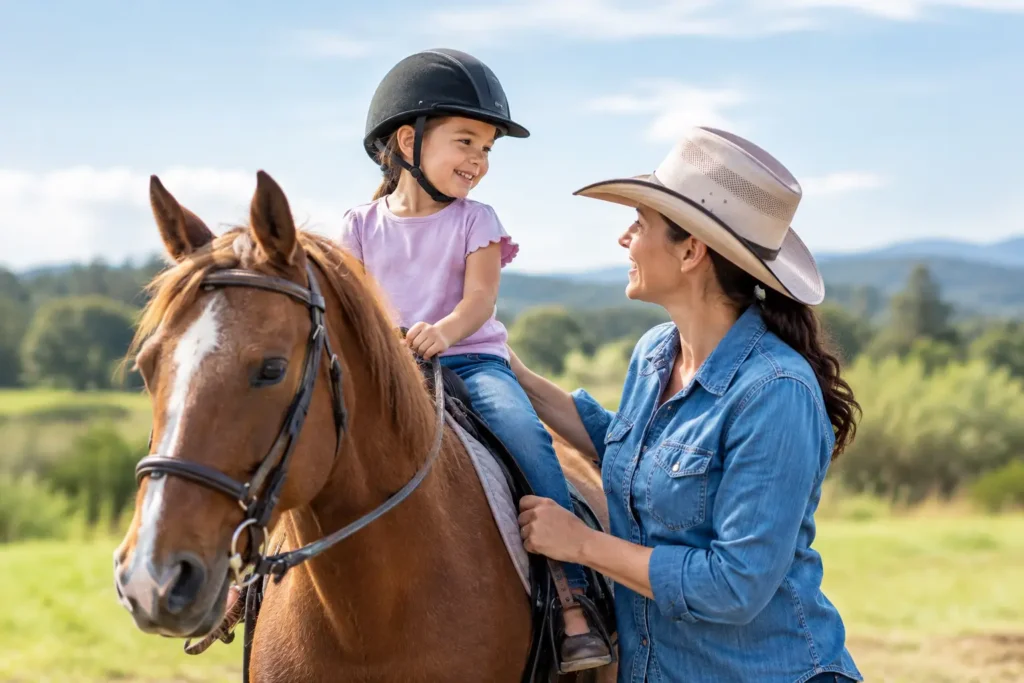
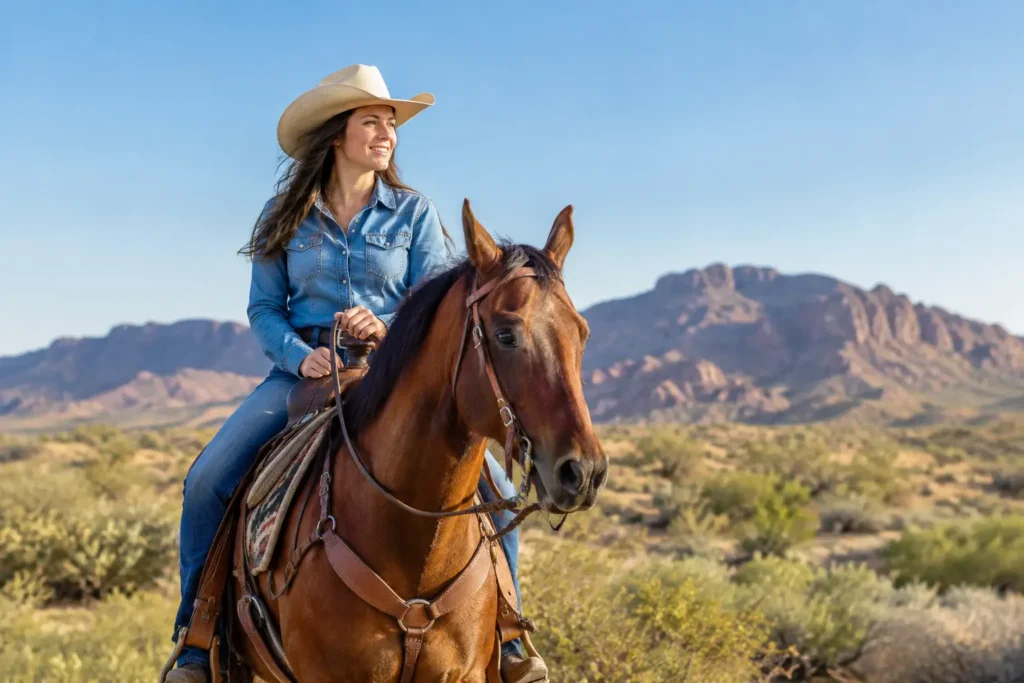
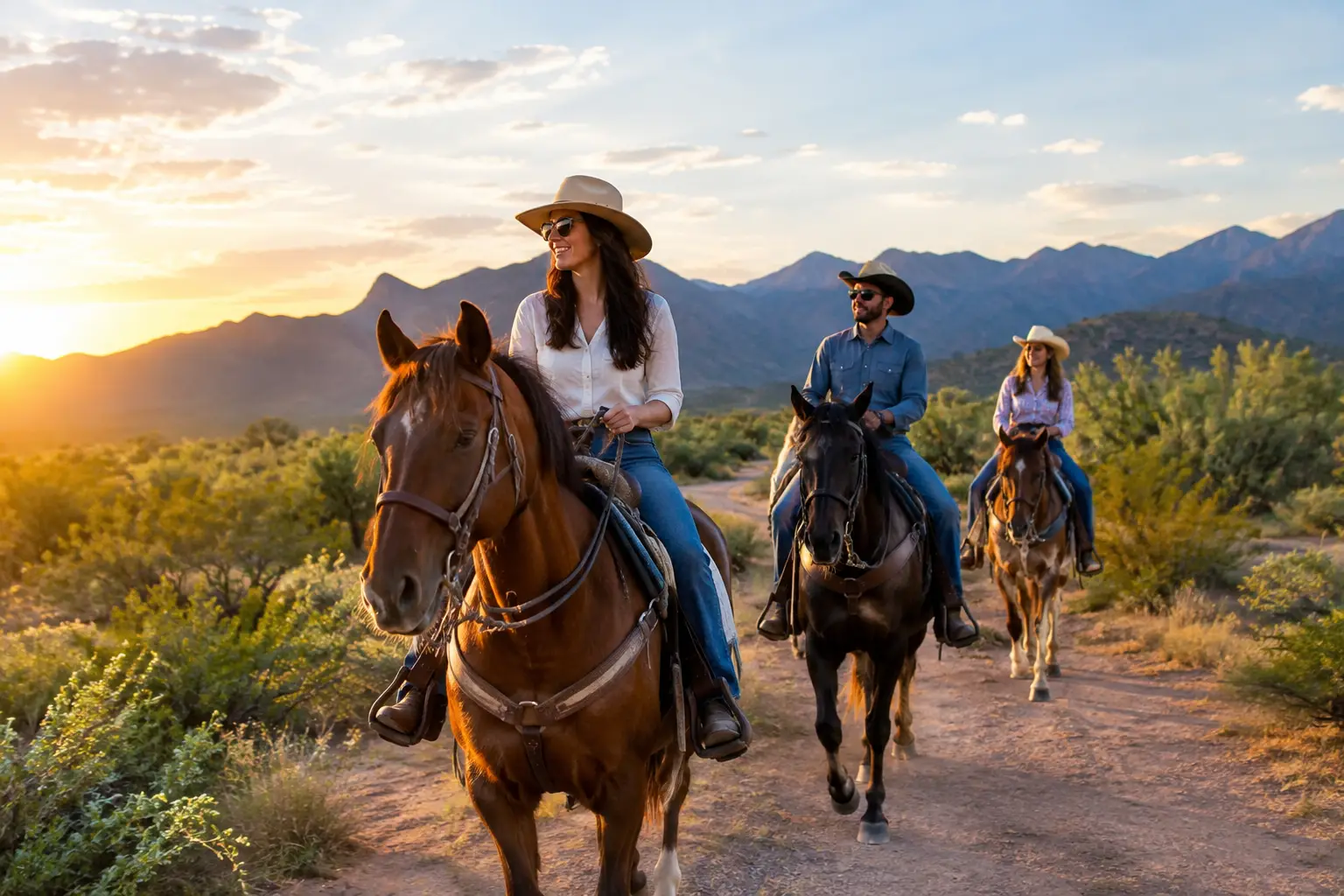
KOLI Equestrian Center is one example of an experience-led option for groups seeking guided horseback riding or wagon attractions near the Greater Phoenix area, with knowledgeable wranglers, well-cared-for horses, and connection to the land and Native American heritage. For the right group, a guided ride can replace the usual icebreaker with a shared desert memory, while still offering clear instruction for first-time riders.
Ask Questions That Reveal the Real Experience
Beautiful photos do not answer the questions an event planner actually needs answered. Before committing, talk through the event from arrival to departure. Where will guests park or be dropped off? How long does check-in take? Is there a shaded waiting area? What happens if a participant has limited mobility, changes their mind about an activity, or arrives late?
Ask who will be on site to guide your group. A dedicated host or event lead can make a major difference, especially when your internal organizer also wants to participate rather than spend the entire event solving logistics. If food, beverages, signage, photography, transportation, or private scheduling are part of the plan, confirm who coordinates each piece.
Cultural experiences deserve equally thoughtful questions. Look for programs that treat history and heritage with care, context, and respect. The goal is not to add a decorative theme to a corporate outing. It is to give guests a more meaningful understanding of the place they are visiting.
Build an Agenda With Space for the Unexpected
A retreat is not more productive because every minute is scheduled. In fact, the most valuable conversations often happen while people are walking to an activity, sharing a meal, or sitting together after a guided experience. Leave transition time between formal sessions and give guests a chance to take in the surroundings.
For warm-weather months, plan active outdoor portions earlier in the day or nearer sunset when possible. Include water, communicate attire recommendations well before the event, and make sure participants know what the activity involves. Small preparation details make people feel cared for.
It also helps to offer one low-pressure alternative for anyone who cannot participate in the main activity. That may be a scenic wagon experience instead of horseback riding, a shaded gathering area, or time to enjoy refreshments and conversation. Inclusion is not an add-on. It is part of good event design.
Choose a Venue That Feels Like Arizona
The best corporate retreat venues Arizona offers do more than provide square footage and a catered lunch. They give people a sense of where they are. Desert light, open skies, mountain silhouettes, local stories, and the hospitality of experienced guides can turn a standard work gathering into an occasion your team talks about long after the calendar invite disappears.
When evaluating your options, choose the place that makes your people feel welcomed, well supported, and pleasantly outside their routine. A well-planned retreat does not need to be extravagant to be meaningful. It just needs to give the team a shared moment that feels worth showing up for.