
Are Guided Trail Rides Safe? What to Know
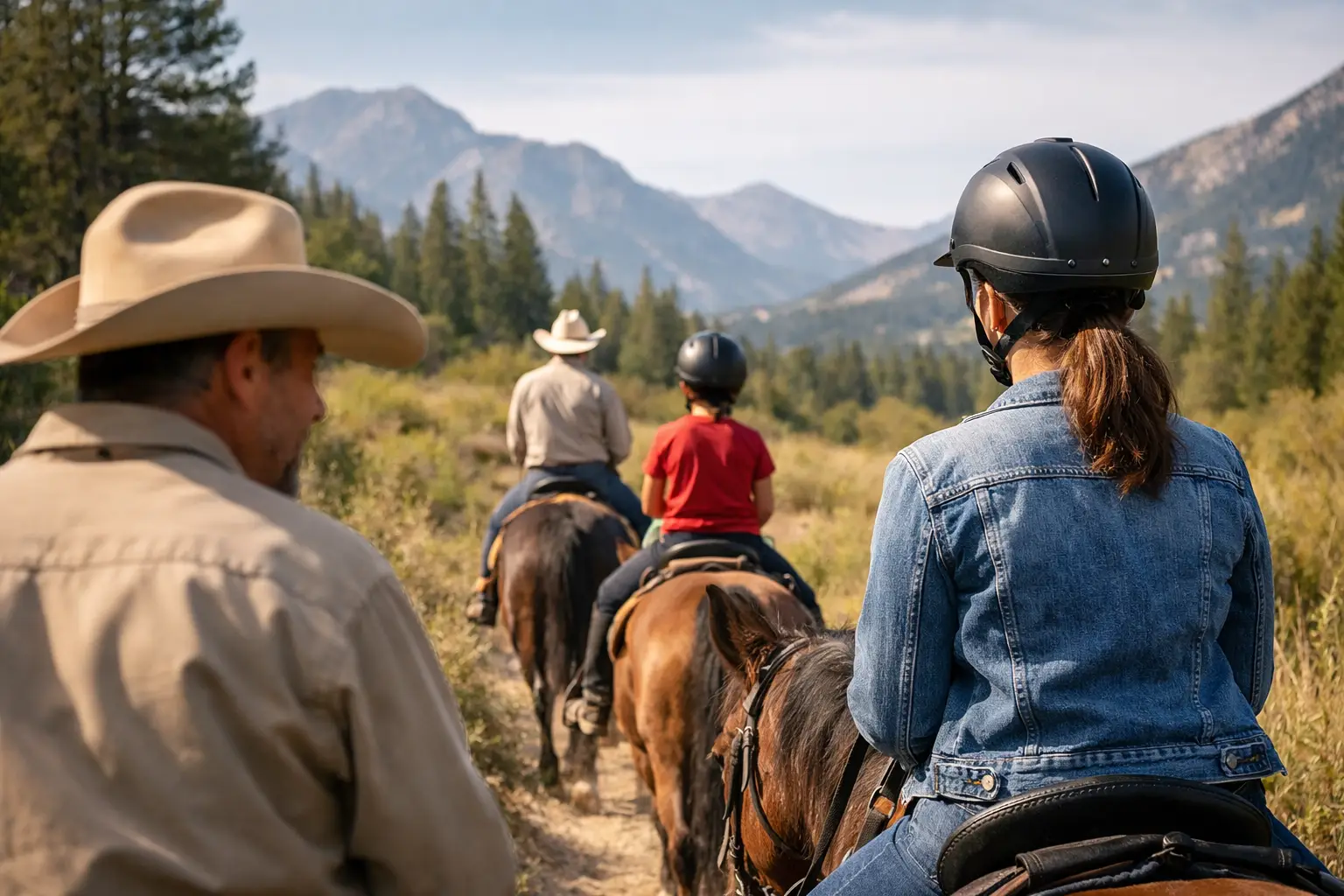
A lot of first-time guests ask the same question before they book – are guided trail rides safe? It is a fair question, especially if you are bringing children, planning a date, or stepping into the saddle for the first time in years. The short answer is yes, guided trail rides can be very safe when they are run by experienced professionals, built around the right horses, and matched to the rider.
That said, not every trail ride is the same. Safety is not just about putting a helmet on someone and pointing a horse down a path. It comes from the quality of the horses, the judgment of the wranglers, the pace of the experience, the terrain, and how seriously the operator takes preparation. When all of those pieces work together, a trail ride feels calm, enjoyable, and welcoming rather than intimidating.
Are guided trail rides safe for beginners?
For most beginners, a guided ride is one of the safest ways to experience horseback riding. You are not being asked to handle everything on your own. A good guide explains how to sit, hold the reins, listen to instructions, and stay relaxed around the horse before the ride begins. That support matters because nerves often create more problems than lack of ability.
Beginners also benefit from riding horses that are used to people, used to the trail, and used to a guided setting. A well-run operation does not treat every horse as interchangeable. Some horses are especially patient and steady with first-time riders, while others may be better suited for guests with more confidence. Matching horse to rider is one of the quiet details that makes a big difference.
The other part is the ride design itself. A beginner-friendly ride should not feel rushed or overly strict. Riders need enough space to feel comfortable, enough guidance to feel supported, and enough time to settle in. When wranglers keep an eye on the whole group and adjust as needed, new riders usually find that the experience feels much more approachable than they expected.
What actually makes a trail ride safe?
The safest guided trail rides are built on systems, not luck. Guests may only see the fun part, but behind that is a lot of daily decision-making.
Healthy, well-cared-for horses are at the center of it. Horses that are handled consistently, ridden regularly, and cared for properly tend to be more reliable partners on the trail. They should be familiar with the environment and comfortable doing this type of work. If a stable cuts corners on horse care, that usually shows up somewhere else too.
Experienced wranglers matter just as much. Good wranglers do more than lead the ride. They read rider confidence, notice tension in a horse, set the tone for the group, and step in early if someone needs help. They know how to explain things clearly to a nervous adult, a family with kids, or a guest who has never been near a horse before.
Clear instructions are another strong sign. Before the ride starts, guests should know how to mount, how to hold the reins, where to place their feet, how to sit, and what to do if they feel unsure. Nothing about that briefing should feel rushed or brushed off.
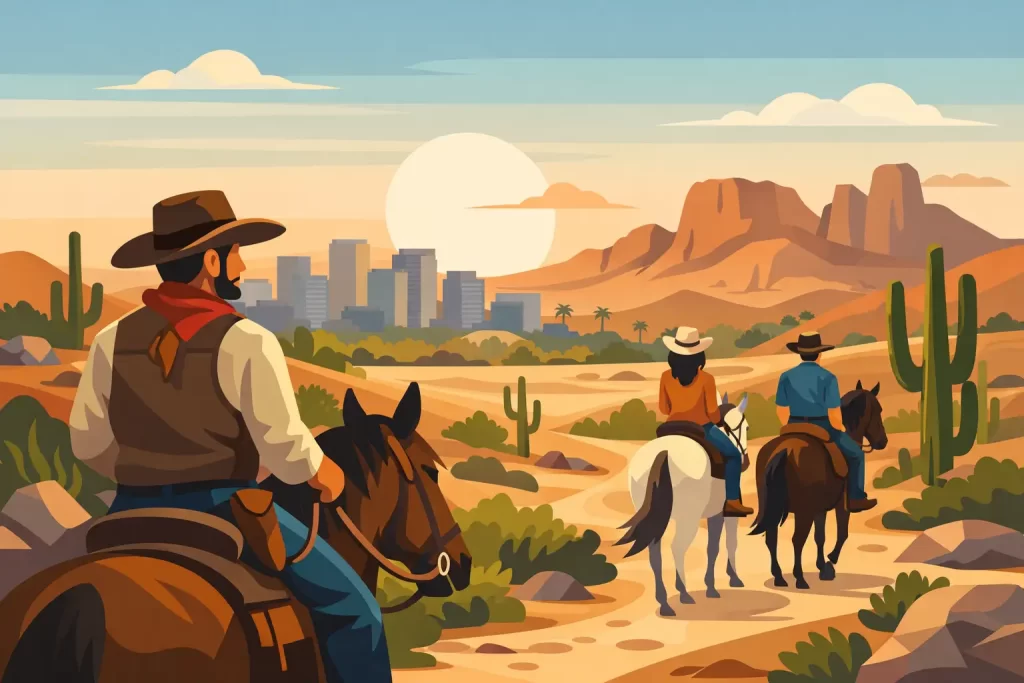
Then there is the route itself. A guided ride should take place on terrain the operator knows well. Desert trails, for example, can be beautiful and peaceful, but they also require awareness of footing, weather, and group spacing. The right route for a family ride may not be the right route for a more advanced group. Good operators choose accordingly.
The biggest safety factors guests should look for
If you are comparing options, it helps to know what signs point to a professionally managed experience.
One sign is how the business talks about safety. If the website or booking process is clear about rider expectations, age guidelines, weight limits, waivers, and arrival instructions, that usually reflects a more organized operation. Rules are not there to make the ride less fun. They are part of setting everyone up for a better experience.
Another sign is whether the experience is guided by real horse people, not just staff members filling a shift. You want a team that understands horses, reads guests well, and knows the land they are riding through. On a meaningful trail ride, the guide is there for more than direction. They help guests feel welcome, informed, and at ease.
It also helps when the group format makes sense. Extremely large groups can be harder to manage, especially when skill levels vary. A more thoughtful setup gives riders room to relax while still staying under the guide’s supervision. That often creates a safer experience and a better one.
Are trail rides safe for kids and families?
Often, yes, but the answer depends on the child’s age, comfort level, and the way the ride is managed. Some children are excited the moment they see a horse. Others need more reassurance. A family-friendly operator understands that difference and does not force every child into the same mold.
Kids usually do best when the staff explains things in a calm, simple way and gives them a chance to settle before heading out. The horse selection matters here even more. So does the pace of the ride and how close guides stay to younger riders.
Parents should also be honest during booking. If a child is nervous, very small, or has never been around animals, say so. That does not automatically mean they cannot ride. It just helps the staff make the safest recommendation. Sometimes the best experience for a young guest is a shorter ride or a more controlled introduction rather than a longer outing.
When guided trail rides feel less safe
There are situations where a trail ride may not be the right fit, at least not that day. A guest who ignores instructions, arrives under the influence, or wants to treat the ride like a thrill activity creates risk for everyone around them. Horses respond best to calm, clear energy. The safest guests are usually the ones who listen well and stay present.
Weather can also change the picture. Extreme heat, sudden storms, or poor trail conditions can make a responsible operator delay, adjust, or cancel a ride. That can be disappointing in the moment, but it is usually a sign that the business takes safety seriously.
There is also the question of physical fit. Some guests have back issues, balance concerns, recent injuries, or other conditions that may affect whether riding is comfortable or advisable. That does not mean horseback experiences are off the table, but it does mean they should ask questions before booking. A quality operator would rather have an honest conversation ahead of time than place someone in a situation that does not suit them.
How to make your own ride safer
Guests play a role too. Wearing appropriate clothing helps more than people think. Closed-toe shoes, comfortable pants, and sun protection go a long way in Arizona. Arriving on time matters as well, because safety briefings are part of the experience, not an optional extra.
It also helps to be direct about your skill level. There is no prize for pretending you are more experienced than you are. If you are nervous, say so. If you have ridden before but feel rusty, mention that too. Wranglers can do a much better job when they know what kind of support you need.
During the ride, stay relaxed and follow directions even if the horse feels more intuitive than expected. Many first-time riders are surprised by how steady guided horses can be. That can lead people to loosen up in a good way, but it should not lead them to stop paying attention.
Why a well-guided ride feels different
A strong guided ride does not just keep people safe. It changes the entire experience. Instead of worrying about what to do next, guests get to take in the land, the rhythm of the horse, and the story of where they are. On rides that include knowledgeable interpretation of the desert and local heritage, the experience becomes more grounded and memorable, not just recreational.
That is part of why thoughtful operators stand out. At KOLI Equestrian Center, the ride is meant to feel welcoming, personal, and connected to place, with knowledgeable wranglers, well-cared-for horses, and a pace that helps guests feel comfortable rather than boxed in. That kind of approach supports safety because it treats people as guests, not as numbers moving through a line.
So, are guided trail rides safe? In the right hands, yes – very often they are a safe and rewarding way to experience horseback riding, even for beginners. The best choice is not simply the cheapest or closest ride. It is the one that shows care in every part of the experience, from the horses to the guides to the way guests are welcomed before they ever reach the trail.
If you are choosing a ride for yourself, your family, or a group, look for the one that makes safety feel built in, not added on at the end. That is usually where the real peace of mind begins.