
Native Cultural Experiences on Horseback
A desert ride can give you beautiful views. A meaningful ride gives those views context. Native cultural experiences on horseback invite guests to slow down, listen, and see the Sonoran landscape as more than a backdrop for vacation photos. The desert has stories in its waterways, plant life, mountain horizons, and communities. A knowledgeable guide helps bring that living connection into focus.
For visitors and Arizona locals alike, this kind of experience offers something more personal than a standard trail ride. It combines time with a well-cared-for horse, the open desert, and respectful cultural interpretation connected to the land where the ride takes place. It is adventure with purpose, delivered at a pace that leaves room to look around, ask questions, and enjoy the people you came with.
What Makes Native Cultural Experiences Meaningful?
The best cultural experiences are not performances built around assumptions. They are rooted in place, led with respect, and clear about whose stories are being shared. On the Gila River Indian reservation, the landscape is inseparable from the history and present-day life of the Gila River Indian Community.
That distinction matters. Native cultures are not a single story, a costume, or a historical display. Every community has its own traditions, language, values, and relationship with the land. A responsible guided experience does not try to speak for all Indigenous peoples. Instead, it offers local context, honors the setting, and creates room for guests to learn without turning culture into a prop.
For many guests, that begins with simple details. Why does a wash matter in this desert? Which plants have long been useful to people here? How did water, farming, trade, family, and seasonal changes shape life in this region? The answers create a richer sense of place than a scenic view alone ever could.
Horseback Riding Changes How You Experience the Desert
There is a reason horseback riding feels different from seeing the desert through a car window. A horse encourages you to move slowly enough to notice the quiet parts: the texture of the trail, a bird overhead, the scent after rain, sunlight moving across distant mountains. You are not simply passing through the landscape. You are present in it.
At KOLI Equestrian Center, guided rides are designed to feel social and welcoming rather than rigid. Guests are given space to enjoy the scenery and conversation while experienced wranglers keep the experience organized, comfortable, and safety-focused. That approach works especially well for families, couples, friends, and groups with different experience levels.
Beginners do not need to arrive as accomplished riders to enjoy a desert ride. Clear instruction, calm horses selected for guided experiences, and attentive wranglers make a major difference. More experienced riders can still appreciate the chance to ride in a landscape with regional stories attached to it. The goal is not to prove anything. It is to have a memorable day outdoors.
The horse is part of the experience, not just transportation
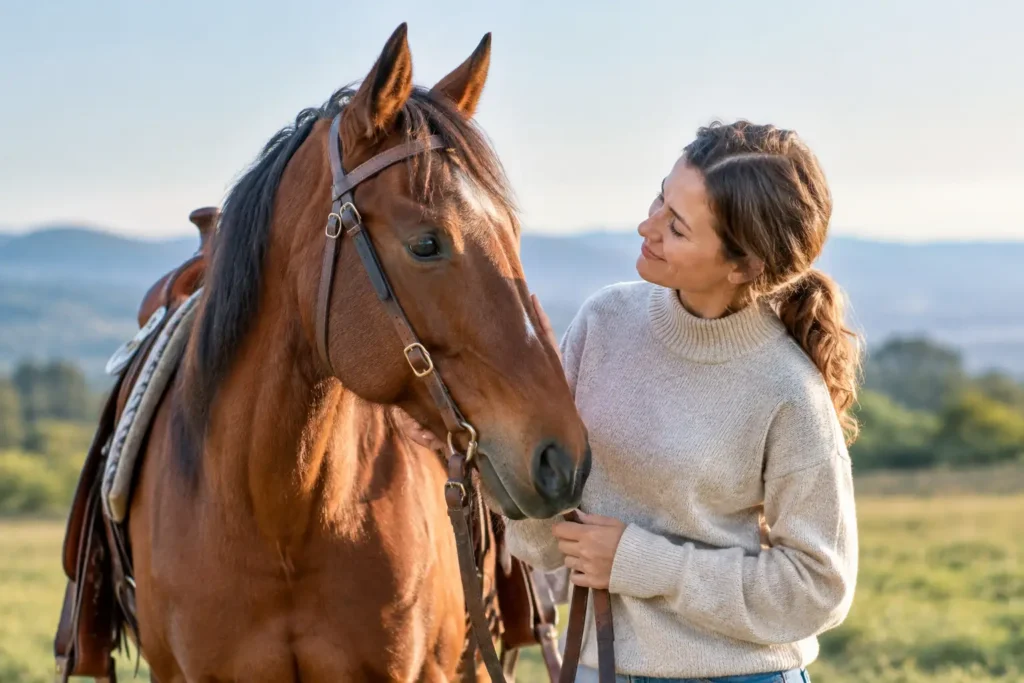
Good horseback experiences start with proper care and thoughtful matching. Horses have individual personalities, and a professional operation considers rider comfort, confidence, size, and experience when preparing a group. Before heading out, guests should receive practical guidance on mounting, holding the reins, steering, and listening to their wrangler.
That preparation allows people to relax. Children can focus on the excitement of meeting their horse. First-time adult riders can settle into the rhythm of the trail. Groups can share the moment without worrying that they need advanced skills. When safety is handled professionally, the landscape and storytelling have room to shine.
How to Participate Respectfully
Curiosity is welcome. Respect is essential. Native cultural experiences are strongest when visitors arrive ready to learn rather than expecting a scripted version of the Southwest. Listening closely to guides, asking thoughtful questions, and recognizing that some knowledge is private are all part of being a good guest.
Photography may be a big part of a vacation, but it should never come before people, safety, or stated guidelines. Ask before photographing guides, community members, or cultural elements. Stay on designated paths, follow your wrangler’s direction, and avoid collecting plants, stones, or other items from the land. Those small choices show care for a place that is home to others, not merely a stop on an itinerary.
It also helps to leave stereotypes behind. The Southwest is full of real, contemporary Native communities, businesses, families, artists, leaders, and traditions. Cultural learning is more valuable when guests understand that Native identity is living and present, not limited to the past.
Choosing the Right Guided Experience
Not every horseback outing offers the same level of cultural connection. If Native cultural experiences are a priority for your group, ask direct questions before booking. Who leads the interpretation? What local history or community context will be shared? How does the business respect the land and its relationship with the Gila River Indian Community?
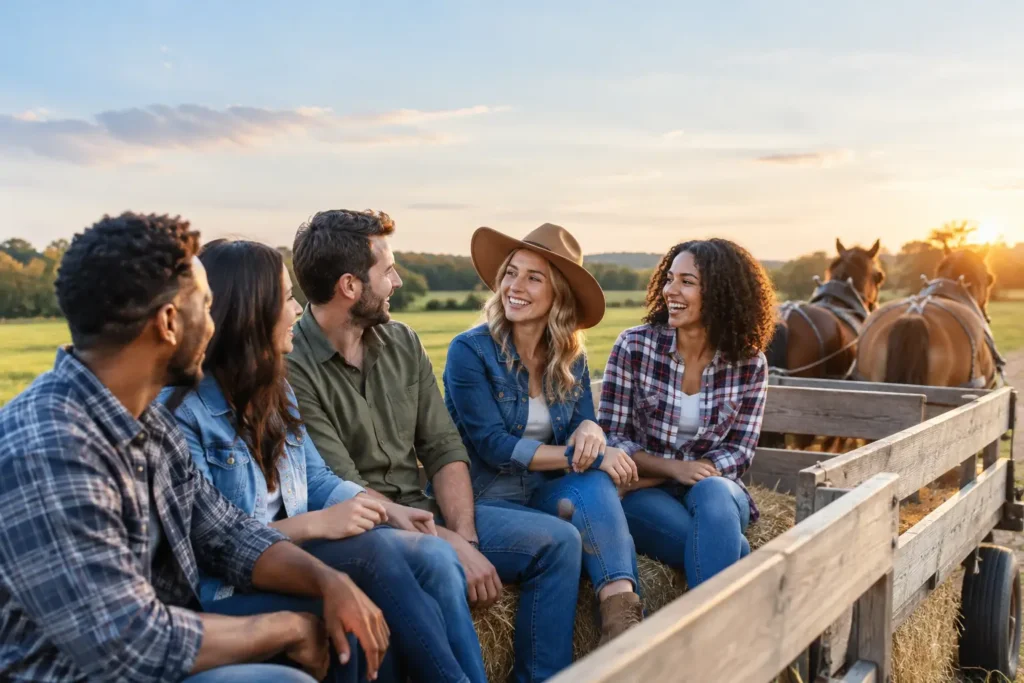
You should also consider the practical side of the outing. A family with young children may need a shorter, age-appropriate riding experience. A couple planning a special date may prefer a private ride with extra time to take in the scenery. Corporate groups and celebrations often benefit from a tailored plan that pairs riding with a wagon experience, hospitality, or a gathering space.
Arizona weather is another factor. Desert conditions can change quickly, and the most comfortable season or time of day depends on your group, the forecast, and your tolerance for sun. Dress in closed-toe shoes, comfortable pants, and layers that suit the season. Sunscreen and water are wise choices. Your booking team can help with specific preparation details, including age requirements, arrival time, and any waiver information.
A quick note about authenticity
Authenticity is not measured by how dramatic an experience feels. It is measured by whether the experience is accurate, respectful, locally grounded, and honestly presented. A guide who shares what they know while acknowledging boundaries is more trustworthy than one who turns every moment into spectacle.
The trade-off is that cultural learning may be quieter and more nuanced than some visitors expect. That is a good thing. A respectful experience can leave you with questions, appreciation, and a desire to keep learning. It does not need to package an entire people or history into one afternoon.
Why This Experience Stays With People
A guided horseback ride near Phoenix can be a birthday memory, a family tradition, a weekend escape, or the highlight of a trip to Arizona. Add meaningful local storytelling, and it becomes something guests carry home in a different way. The photos may show the horses, desert colors, and smiling faces. The lasting memory is often the feeling of being welcomed into a landscape with depth.
For families, that can mean children hearing that the desert is full of life and history, not empty space. For visitors, it can mean seeing the region beyond resort walls and busy streets. For local residents, it can be a reminder that there is always more to learn about the places close to home.
The most rewarding day in the saddle is not about checking off an attraction. It is about sharing the trail with care, trusting your wrangler, and leaving with a deeper respect for the land beneath your horse’s hooves.