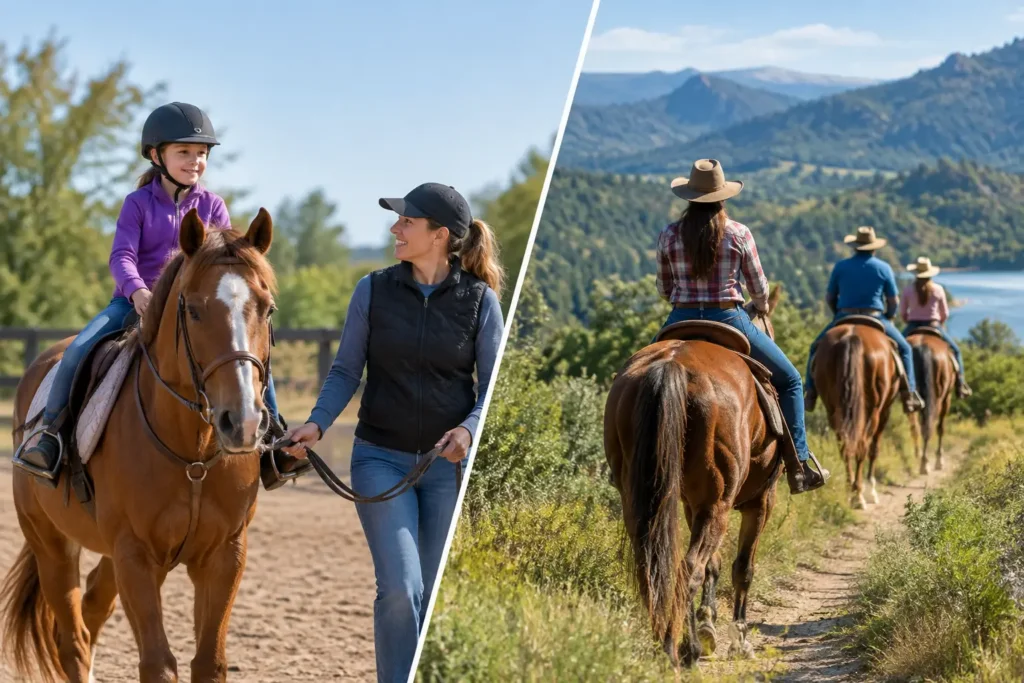

Do Horses Suit Nervous Adults? A Gentle Yes
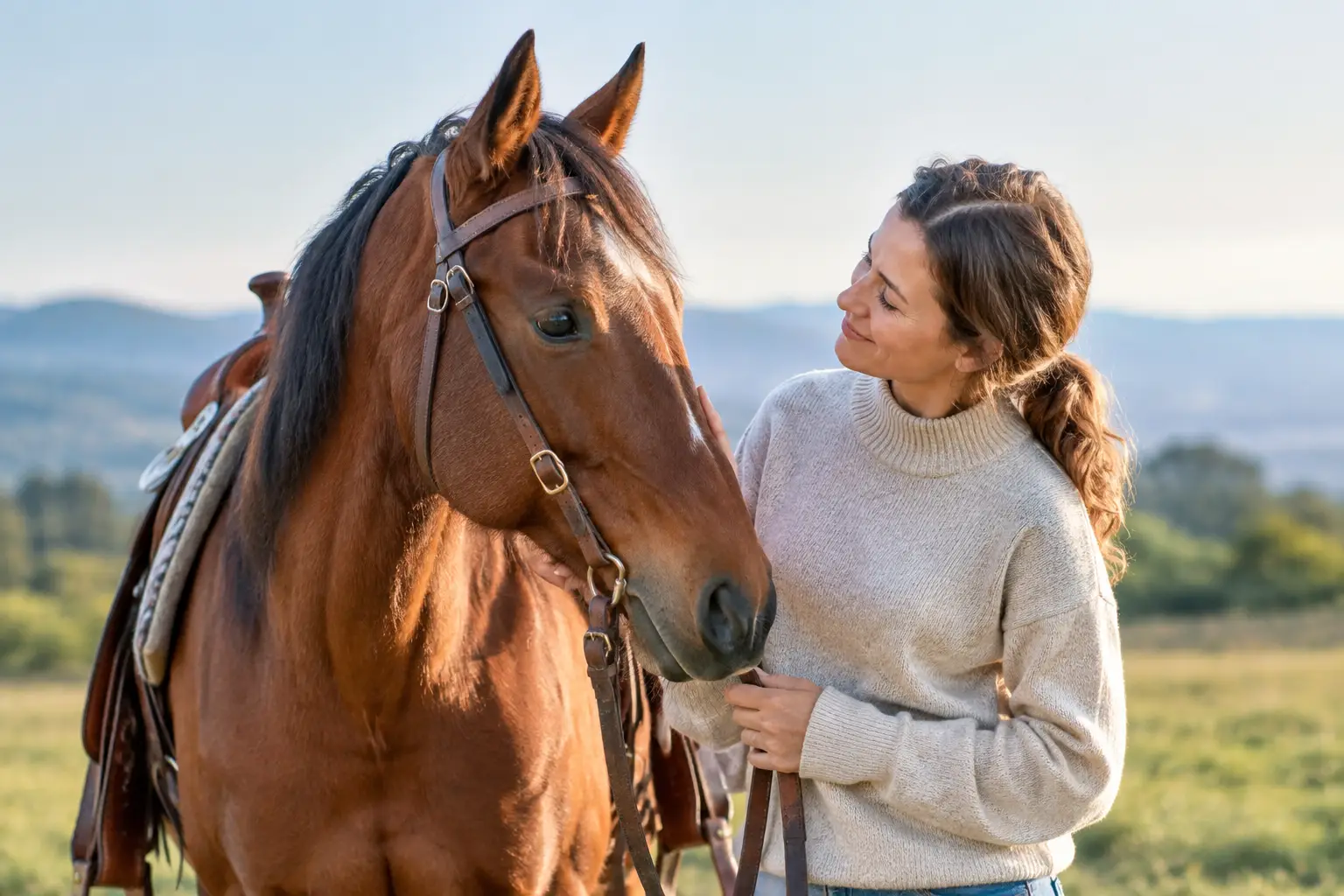
A horse is big, strong, and wonderfully honest about its feelings. For a nervous adult standing beside one for the first time, that can feel equal parts exciting and intimidating. So, do horses suit nervous adults? Often, yes – especially when the experience is guided by people who understand beginners, choose steady horses carefully, and make room for questions without pressure.
Nerves do not mean you are unsuited to riding. They usually mean you are taking the experience seriously. A good guided ride is not about proving you are fearless. It is about meeting the horse at a comfortable pace, taking in the desert around you, and discovering that confidence can grow one calm moment at a time.
Do Horses Suit Nervous Adults on a Guided Ride?
Many nervous adults enjoy horseback riding more than they expect because the right setting removes much of the uncertainty. You are not being handed the reins and sent out alone. A trained horse, knowledgeable wrangler, clear safety briefing, and well-planned route create a structure that lets you focus on the experience rather than trying to figure out everything at once.
The horse matters most. Well-cared-for trail horses are accustomed to people, guidance, and the sights and sounds of a working riding operation. They are not chosen because they are flashy. They are chosen because they are patient, dependable, and suited to the job. Your wrangler can help pair you with a horse that fits your comfort level, size, and experience.
A nervous rider also benefits from the natural rhythm of a walking ride. Once you are settled in the saddle, many people find the steady movement soothing. Your attention shifts from imagining what might happen to noticing the warmth of the Arizona air, the shape of the mountains, and the quiet sounds of the trail.
That said, horseback riding is not the right activity for every person on every day. If anxiety is so intense that you cannot follow basic directions, feel physically secure, or enjoy being near a horse, it may be wiser to start with a visit, an introduction on the ground, or a wagon experience. There is no prize for pushing past your limits. The goal is a positive memory, not a test of nerve.
What Nervous Adults Usually Worry About
Most first-time concerns are very practical. Will the horse listen? What if I do something wrong? What if I cannot get on? What happens if I feel scared halfway through? These are reasonable questions, and an experienced team should answer them directly.
Horses respond well to calm, simple cues and consistent handling. On a guided ride, your wrangler is there to explain how to hold the reins, sit comfortably, and communicate without overthinking every movement. You do not need a background in riding to begin. You need to listen, ask for help when you need it, and give yourself permission to be new.
Mounting can be a major worry for adults who have not climbed into a saddle before. A professional operation provides assistance and clear instructions, rather than expecting you to manage it alone. Once seated, take a moment to settle your posture and breathe. There is no need to rush the beginning.
As for making a mistake, remember that good guides work with beginners every day. A small adjustment in your hands or feet is part of learning, not an embarrassment. The best wranglers offer direction in a calm, friendly way that helps riders feel supported rather than singled out.
How to Make Your First Ride Feel Easier
Preparation will not erase every butterfly, but it can replace vague fear with a clear plan. Wear closed-toe shoes with a secure sole, comfortable pants that allow you to move, and clothing suited to the weather. In the desert, sun protection and water matter just as much as your outfit.
Arrive early enough that you do not feel hurried. A rushed arrival can make normal nerves feel bigger. Give yourself time to check in, use the restroom, hear the safety guidance, and meet your horse before the ride begins.
It also helps to be honest about your experience level. Tell the staff that you are nervous, especially if there is a particular concern such as balance, height, a previous bad experience, or uncertainty around animals. That information is useful. It helps the team give you more specific guidance and makes it easier for them to check in with you along the way.
Try not to watch every other rider and compare yourself to them. Someone in your group may look completely relaxed, but they may be nervous too. Your only job is to stay present with your horse and follow the instructions in front of you.
Give Yourself a Simple Focus
When anxiety rises, your mind can race ahead. Bring it back to a few simple actions: breathe slowly, keep your hands relaxed, look where you want to go, and listen for your wrangler’s voice. That is enough.
You do not have to perform for photos or tell everyone you are having the time of your life in the first five minutes. Some riders are delighted immediately. Others need time before they can truly look up and enjoy the view. Both are perfectly normal.
Why a Guided Desert Ride Can Build Confidence
A guided ride gives nervous adults a rare kind of adventure: one that feels real without asking them to be experts. You are outdoors, connected to a powerful animal, and moving through a landscape that deserves your attention. Yet you are doing it with trained support close by.
That combination can be especially meaningful around the Phoenix area, where a short drive can lead to open desert scenery and a deeper sense of place. At KOLI Equestrian Center, guides share the land, horses, and regional heritage as part of the experience, helping guests feel like participants rather than passengers checking off another activity.
Confidence often arrives quietly. It may be the moment you realize your horse is responding to a gentle cue. It may be when you stop gripping the saddle and notice the view. Or it may come later, when you tell a friend, “I was nervous, but I did it.” Those moments count because they are earned.
Questions to Ask Before You Book
The right provider welcomes questions before your ride. Ask whether the experience is suitable for first-time adults, how riders are matched with horses, what safety instruction is provided, and whether there are weight, age, health, or mobility guidelines. Be clear about any condition that could affect your ability to ride safely.
You can also ask about the group size and riding format. Some nervous guests feel most comfortable in a smaller or private setting, where there is more individual attention. Others relax in a group because they are sharing the experience with family or friends. Neither choice is better. It depends on what makes you feel supported.
Weather is worth considering, too. Arizona heat can make anyone feel uncomfortable or overwhelmed. Choose a time of day and season that fits your comfort level, and follow the provider’s advice on hydration and clothing.
When It May Be Better to Choose Another Experience
A little nervousness is manageable. Panic, severe dizziness, uncontrolled balance issues, or a medical restriction may mean riding is not the best choice at the moment. That is not a failure. Outdoor hospitality should feel welcoming, and there are other ways to experience the scenery, stories, and fun of a ranch setting.
If you are uncertain, start by talking with the team before booking. A professional operator would rather help you choose wisely than see you feel pressured into an experience that does not feel safe.
For many adults, the question is not whether they are naturally brave enough for horses. It is whether they can take one well-supported first step. With a calm horse, a patient wrangler, and no expectation to be perfect, nervousness can become part of the story you are proud to tell afterward.