

Safe Horseback Riding for Beginners
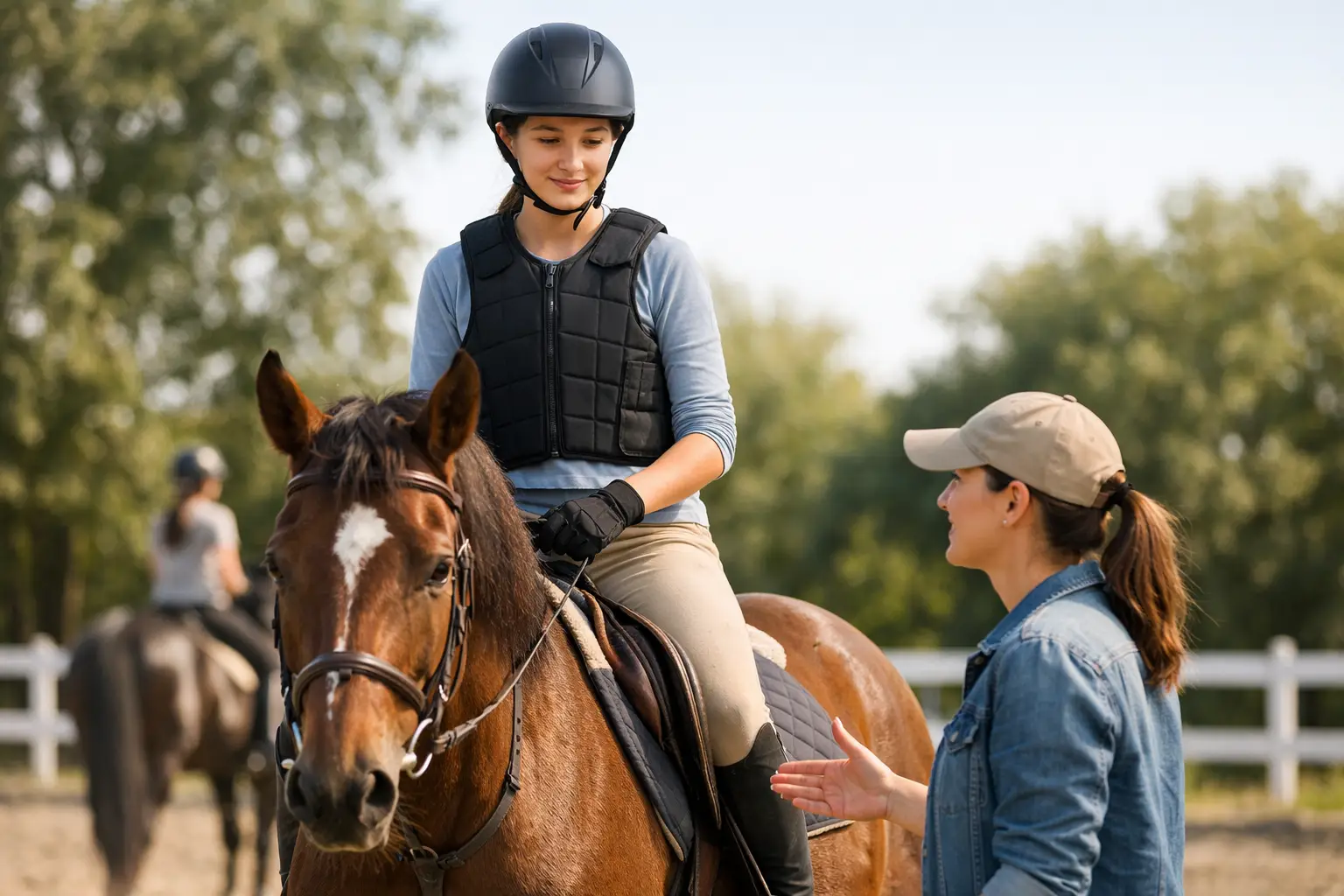
The first few minutes around a horse matter more than most beginners expect. Before you ever swing a leg over the saddle, you are meeting a large, responsive animal that reads your energy, body language, and pace. That is why safe horseback riding for beginners starts on the ground, with the right guide, the right horse, and the right expectations.
For many first-time riders, the biggest worry is simple: What if I do something wrong? The good news is that beginner-friendly riding is designed with that concern in mind. A well-run experience does not expect you to know everything. It gives you calm instruction, a horse suited to your comfort level, and wranglers who know how to help you settle in and enjoy the ride.
What safe horseback riding for beginners really means
Safety in horseback riding is not about making the experience feel stiff or intimidating. It is about creating the conditions for confidence. That usually means clear instructions, horses with steady temperaments, tack that is checked carefully, and guides who pay attention to both riders and horses throughout the ride.
It also means understanding that horseback riding always involves some level of unpredictability. Horses are living animals, not machines. They can react to sounds, movement, weather, and the energy of the group. A safe beginner experience respects that reality instead of pretending it does not exist.
The best outfitters build safety into every part of the ride. They match riders thoughtfully, explain how to sit and hold the reins, and set a pace that keeps the group comfortable. You should never feel rushed, ignored, or pressured to act more experienced than you are.
Start with the right riding experience
Not every horseback ride is equally beginner-friendly. Some are built for confident riders who already understand horse behavior and trail etiquette. Others are designed for first-timers, families, and visitors who want a guided outdoor experience with support from start to finish.
If you are booking your first ride, ask direct questions. Is the ride suitable for true beginners? Are wranglers present the entire time? How are horses selected for new riders? What is the check-in process like? These details tell you a lot about whether an operation takes safety seriously.
A good beginner ride should feel welcoming from the moment you arrive. You should get orientation before mounting, not while everyone is already moving. You should have the chance to ask questions without feeling embarrassed. And the staff should communicate with calm confidence, because beginners often borrow their confidence from the people leading the experience.
What to wear and what to skip
Clothing makes a bigger difference than many people think. You do not need to dress like a lifelong rider, but you do need to dress for comfort, movement, and basic protection.
Closed-toe shoes with a firm sole are the safest choice. Sandals, loose slip-ons, and heavy shoes that make movement awkward are not a good idea. Long pants are usually more comfortable than shorts because they help reduce rubbing against the saddle.
Keep jewelry and loose layers to a minimum. A flapping jacket, oversized bag, or anything that shifts around easily can be distracting for you and your horse. If helmets are offered or required, wear one without debate. For beginners especially, that is one of the simplest and smartest safety decisions you can make.
Before you mount, pay attention to the basics
A lot of beginner nerves come from feeling unfamiliar with the process. That is normal. The answer is not to rush through it. It is to slow down and listen.
When your wrangler explains how to approach the horse, how to place your foot, and how to settle into the saddle, treat those instructions as essential, not optional. The mounting process is one of the moments when balance matters most. Taking it carefully sets the tone for the rest of the ride.
Once you are seated, focus on posture instead of perfection. Sit tall, keep your shoulders relaxed, and avoid gripping with unnecessary tension. Many beginners assume staying safe means holding on as tightly as possible. Usually, the opposite is true. A balanced rider with a calm seat is more secure than a stiff rider who is bracing for every step.
Reading your horse without overthinking it
You do not need years of experience to notice how a horse is feeling. A good beginner should simply learn to observe. Is your horse standing quietly? Does it seem alert to something nearby? Is it responding calmly to the guide? These are useful cues.
Horses often respond best to consistency. Sudden movements, loud reactions, and mixed signals through the reins can create confusion. That does not mean you need to be flawless. It means small, steady actions go a long way.
If something feels off, speak up right away. Maybe your saddle does not feel secure, maybe you are unsure about your reins, or maybe your horse seems distracted. Beginners sometimes stay silent because they do not want to be difficult. In reality, good wranglers would much rather answer a simple question early than fix a preventable problem later.
The beginner habits that make rides safer
Most safe riding habits are surprisingly simple. Listen closely, keep a comfortable distance from other horses, and stay aware of your guide. Avoid leaning unexpectedly, reaching down without instruction, or trying to adjust tack on your own while moving.
It also helps to manage your attention. New riders often look down at the horse constantly because they want reassurance. But your balance usually improves when you look ahead and follow the trail naturally. Your horse already knows it is there. You do not need to supervise every step.
Breathing matters too. When people get nervous, they tense their legs, lock their arms, and hold their breath. Horses can feel that. A slow breath and relaxed posture often settle both rider and horse faster than force ever will.
Why guided rides are often the safest choice
For beginners, a guided ride is not just convenient. It is often the safest and most enjoyable way to start. A knowledgeable wrangler is watching the group, reading the horses, adjusting spacing, and offering instruction in real time.
That guidance becomes especially valuable in outdoor settings where terrain, sounds, and scenery can change from one moment to the next. In the desert, for example, a guided ride can help first-time riders focus less on uncertainty and more on the experience itself – the open landscape, the pace of the horse, and the feeling of seeing Arizona from the saddle.
At KOLI Equestrian Center, that guided approach is part of what makes a beginner ride feel more personal. Instead of feeling pushed through a generic outing, riders have the chance to enjoy the landscape, connect with the horse, and learn from wranglers who understand both safety and the story of the land.
Safety for kids, families, and nervous first-timers
Beginners are not all the same. A confident adult trying horseback riding for the first time may need a different kind of support than a child or a parent booking a family activity. The safest operators understand those differences and adjust accordingly.
For children, the right fit matters a lot. That includes horse selection, instruction style, and whether the experience matches the child’s attention span and comfort level. For adults who are nervous, reassurance usually works better than hype. No one needs to be talked into feeling brave. They need to feel informed, supported, and free to ask for help.
This is where hospitality matters as much as horsemanship. When the staff is warm, patient, and experienced, beginners relax. And relaxed riders generally make safer riders.
What safe riding is not
Safe riding does not mean pretending fear is silly. It does not mean using a one-size-fits-all script for every guest. And it does not mean taking the fun out of the experience.
The best beginner rides balance caution with enjoyment. They respect the horse, the environment, and the rider’s comfort level. They also leave room for what people came for in the first place: the quiet excitement of being outdoors, the rhythm of the ride, and the kind of memory that stays with you long after you step down from the saddle.
If you are new to horseback riding, you do not need to arrive with perfect posture or insider knowledge. You just need a safe setting, a good guide, and the willingness to listen. Start there, and your first ride can feel less like a test and more like what it should be – a memorable way to experience the land with confidence and respect.