How to Plan a Wagon Event That Feels Easy
Some events look simple from the outside – a wagon, a few guests, a pretty setting, and you are off. In real life, how to plan a wagon event comes down to a handful of smart choices made early. Get those right, and the whole experience feels welcoming, relaxed, and memorable instead of rushed, crowded, or unclear.
A wagon event works best when it feels intentional. That could mean a birthday with desert views, a family gathering with room for all ages, a corporate outing that feels more personal than another banquet room, or a sunset ride built around storytelling and time outdoors. The wagon is the centerpiece, but the event itself is really about pace, comfort, and giving people a reason to connect.
Start with the kind of experience you want
Before you think about decorations, food, or timing, decide what the event is supposed to feel like. That answer shapes almost every other choice. A child’s birthday needs a different rhythm than a team celebration or a private evening gathering for adults.
If your guests want energy and activity, you may build in photo moments, themed touches, and a clear start-and-finish schedule. If they want something quieter, the better plan may be a scenic route, simple refreshments, and more room to talk. A lot of event planning stress comes from trying to make one wagon event serve too many purposes at once.
It helps to write one sentence that defines the day. Something like, “We want a relaxed outdoor celebration for three generations of family,” or “We want a group activity that feels distinctly Arizona and easy for first-timers.” When the details start piling up, that sentence keeps you from drifting into ideas that look good on paper but do not fit the experience.
How to plan a wagon event around your guest list
Guest count matters more than most people expect. Not just for seating, but for comfort, timing, and the overall tone of the event. A wagon ride with eight guests feels intimate. A larger group may need multiple rides, staggered timing, or a wider event setup built around the wagon experience.
This is where planners sometimes make the wrong call. They focus on the absolute maximum number of people they can invite instead of the number that will actually enjoy the experience. If guests are packed too tightly or spend too much time waiting, the event can feel more logistical than special.
Think through who is attending, not just how many. Are there small children, older adults, out-of-town visitors, or people who have never done an outdoor western-style activity before? If so, accessibility, shade, restroom access, and pacing should move higher on your priority list. A good wagon event is beginner-friendly and comfortable from the first few minutes.
Choose the setting before you choose the extras
People remember the feeling of the place long after they forget small decorative details. That is why the route and setting deserve real attention. Open desert views, mountain backdrops, and natural light do more for the mood than a pile of event add-ons ever will.
If you are planning in Arizona, the landscape is part of the experience. That means the best setting is not always the fanciest one. It is the one that gives your group enough space to relax, take photos, enjoy the ride, and feel connected to the land around them.
When comparing locations or providers, ask practical questions. How long is the ride? Is there a gathering area before or after? Is there shade? What does arrival look like for guests who have never been there before? Can the experience include time for conversation and interpretation, or is it purely transportation? Those details affect whether the event feels personal or generic.
Timing can make or break the day
The best wagon event schedule usually has a little breathing room built in. Guests need time to arrive, get settled, ask questions, and enjoy the setting before the main experience begins. If every minute is tightly packed, even a beautiful event can feel hurried.
Weather matters too, especially in the Phoenix area and throughout the desert. Midday may sound convenient, but it is not always the most comfortable option for guests. Morning and sunset windows often create a better experience, with softer light, milder temperatures, and a more relaxed pace.
Season also changes what is realistic. A spring event can support more pre-ride mingling outdoors. A summer event may need a shorter timeline and stronger attention to hydration and shade. A fall or winter gathering may allow for longer social time and layered activities around the wagon ride.
Plan food and drinks to match the format
Not every wagon event needs a full meal. In many cases, lighter refreshments work better because they keep the event moving and reduce setup complexity. Water, simple snacks, and a post-ride treat can be enough if the wagon ride is the main attraction.
If food is central to the event, decide whether it belongs before the ride, after it, or in a separate gathering window. Meals before the ride can slow down arrivals. Meals after the ride often feel more natural because guests have already shared the main experience and have something to talk about.
Try to match the menu to the environment. Outdoor events usually benefit from food that is easy to serve and easy to eat. The more formal or fragile the meal, the more staffing, timing, and cleanup start to compete with the relaxed atmosphere you wanted in the first place.
Safety should feel clear, not intimidating
A well-run wagon event feels easy because guests know what to expect. That comes from clear communication, not from long speeches. People want to have fun, but they also want to feel that the team in charge has thought through the details.
Share key information before the event. Let guests know what to wear, when to arrive, whether closed-toe shoes are recommended, what the weather may be like, and whether children need supervision. If there are waivers or check-in steps, handle those early when possible so guests spend less time on paperwork and more time enjoying themselves.
On-site, the tone matters. Friendly guidance goes a long way. Experienced staff and knowledgeable wranglers can help guests feel comfortable without making the event feel overly formal. That balance is a big part of what separates a memorable outdoor gathering from one that feels uncertain.
Give the wagon event a purpose beyond the ride
The ride is the anchor, but the strongest events include one or two meaningful layers around it. That could be storytelling, a birthday moment, a group toast, photo opportunities, or time set aside for guests to take in the scenery. You do not need a packed agenda. You just need enough structure to make the event feel designed rather than improvised.
For many groups, cultural and regional context adds depth. A wagon experience can feel more memorable when guests leave with a stronger sense of place, not just a few pictures on their phones. In the right setting, hearing about the land, local history, and the character of the area can turn a fun outing into something guests talk about long after it ends.
This is especially valuable for corporate groups and visitors. They are often looking for something distinctly local, something that does not feel copied from any other city. A wagon event with authentic interpretation and hospitality delivers that in a way banquet halls rarely can.
Keep your budget focused on what guests will actually notice
When people start planning outdoor events, budgets often drift toward things that look impressive in a planning document but do very little in the real experience. Guests notice comfort, scenery, timing, hospitality, and how smoothly the event runs. They notice whether they felt welcomed and whether the day had a natural flow.
That means your best investment is usually not more stuff. It is better staffing, a better time slot, a better route, or a format that fits your group size. If the budget allows for extras, put them where they support the experience instead of distracting from it.
A simple event executed well will almost always feel more polished than an overloaded one with too many moving parts. That is true for family celebrations, private parties, and company events alike.
Work backward from the guest experience
One of the easiest ways to plan well is to imagine the event from your guest’s point of view. They arrive. They park. They find the group. They know where to go. They understand what happens next. They feel comfortable. They enjoy the ride. They leave with good photos and an even better memory.
If any part of that chain feels confusing, fix that first. Sometimes the smartest planning move is not adding something new. It is removing friction. Better signage, clearer arrival instructions, a shorter wait, more shade, or a cleaner transition between activities can improve the event more than another decorative detail ever will.
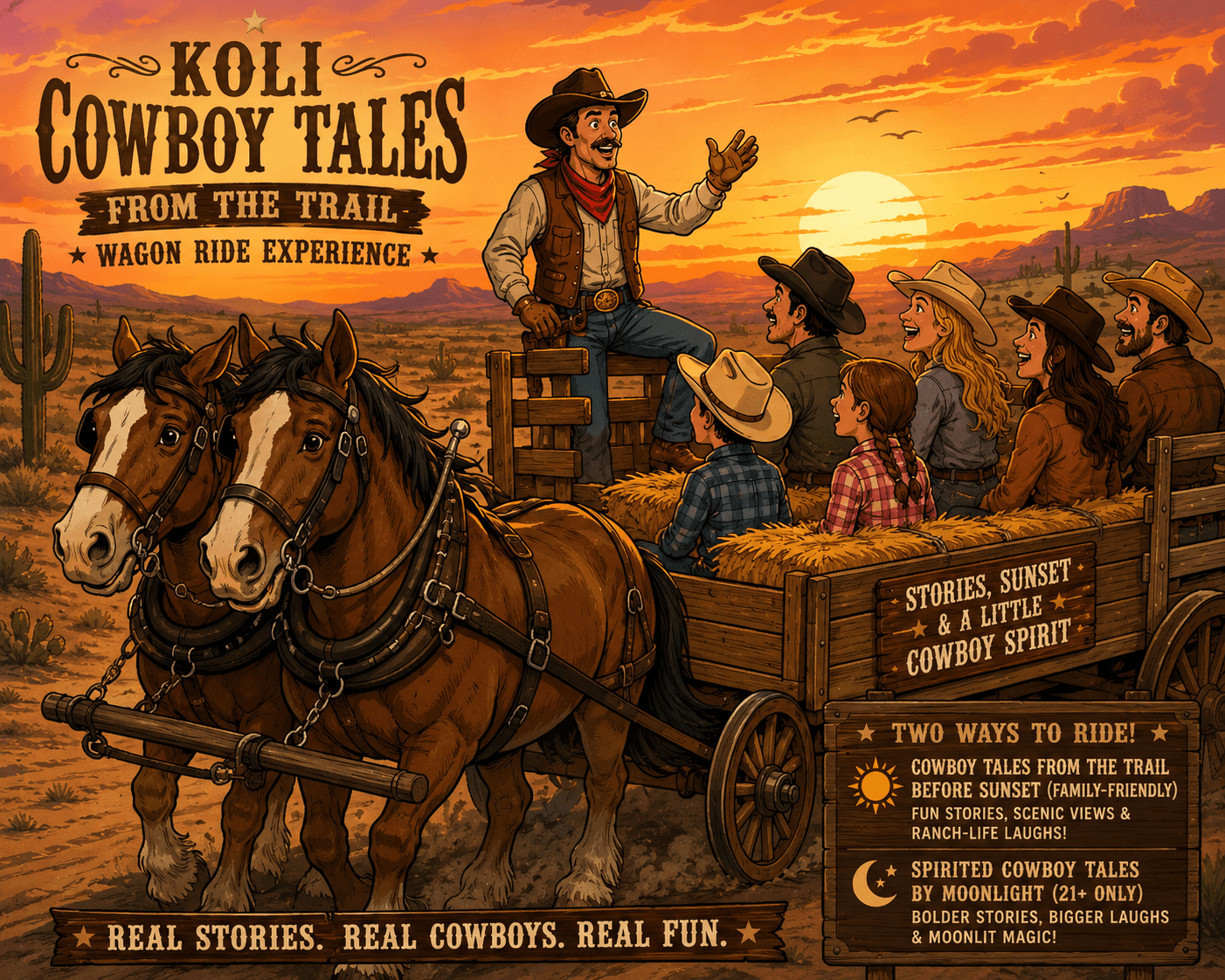
At KOLI Equestrian Center, the most successful wagon gatherings tend to be the ones that stay true to the experience itself – open air, good company, knowledgeable guides, and a genuine connection to the Arizona landscape.
A wagon event does not need to be complicated to feel special. It just needs the right pace, the right setting, and a plan built around how people actually gather, relax, and remember a day outdoors.