Native American Enriched Horseback Experience
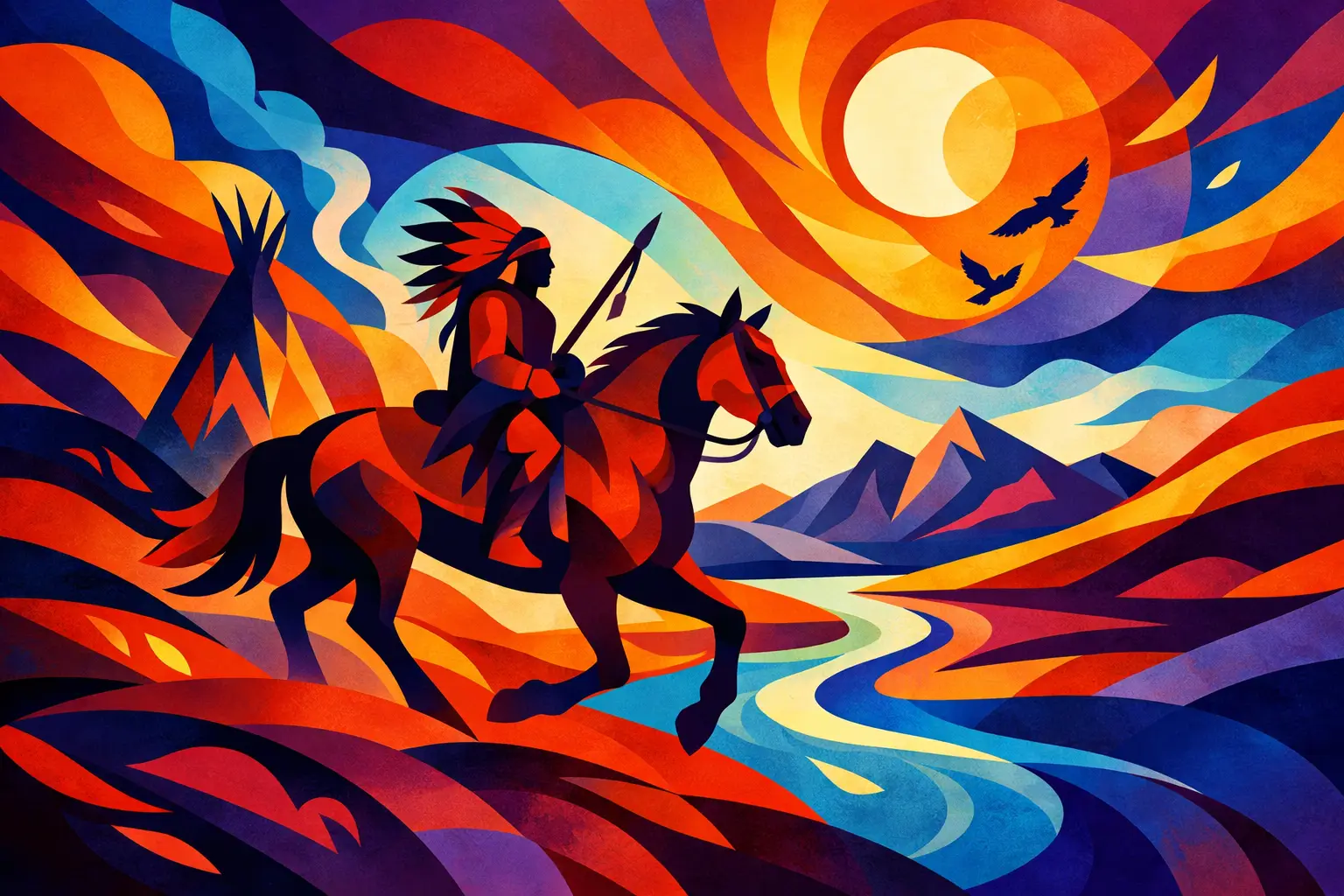
The desert feels different when someone helps you understand what you’re seeing. A Native American Enriched horseback experience is not just about time in the saddle. It’s about hearing how the land has been known, used, respected, and remembered while you move through it at a pace that lets you actually take it in.
For a lot of riders, that difference matters more than they expect. A standard trail ride can be scenic, but scenery alone only goes so far. When a guide connects the landscape to Native history, regional traditions, and the living character of the desert, the ride becomes more personal. You stop feeling like you’re simply passing through and start feeling like you’re being welcomed into a place with real meaning.
What makes a Native American Enriched horseback experience different
The biggest difference is purpose. On many horseback outings, the horse is the whole event. Here, the horse is part of a larger experience. You’re still enjoying the ride, the open air, and the quiet rhythm of the trail, but you’re also getting interpretation from someone who knows how to read the setting beyond its postcard beauty.
That can mean stories tied to the land itself, insights into Native heritage, and context that gives shape to what might otherwise look like a wide stretch of desert. Saguaros, arroyos, mountain views, and changing light already make Arizona memorable. Add thoughtful storytelling, and those same details start to carry weight.
It’s also a more social and relaxed format than the rigid rides many people expect. Guests often worry that horseback riding means sitting silently in a line, trying not to do anything wrong. A well-run experience replaces that tension with guidance, spacing, and conversation. That matters for beginners, especially those who want something memorable without feeling intimidated.
Why Native American Enrichment changes the ride
Horseback riding naturally slows you down. That slower pace creates room for observation, and observation is where stories works best. You notice the shape of the terrain, the way the desert opens up, the small shifts in sound and temperature. A guide can take those details and connect them to broader cultural and historical meaning.
That’s what turns a recreational outing into something people talk about afterward. They remember the horses, of course, but they also remember what they learned and how the place felt. For families, couples, and visiting groups, that kind of experience often lands better than something purely activity-based because it gives everyone more to share.
There is a practical side to this too. When guests understand the environment, they tend to feel more grounded in it. First-time riders often arrive focused on the mechanics of riding. Once they settle in, the story of the land helps shift attention away from nerves and toward the experience itself.
Native American Enriched horseback experience for beginners and families
One reason this format works so well is that it does not require you to be an experienced rider to enjoy it. In many cases, beginners get the most out of it. They are not comparing the ride to a technical horseback outing or looking for a highly athletic challenge. They want a safe, guided adventure that feels authentic, scenic, and easy to enjoy.
That makes the quality of the wranglers and horses especially important. Good guides know how to welcome nervous guests, explain what to expect clearly, and keep the atmosphere calm without making it stiff. Well-cared-for horses make a difference too. When the horses are steady and the pace is approachable, people can relax enough to listen, look around, and enjoy the story being told.
Families usually appreciate that this kind of ride offers more than one kind of value. Kids may connect with the animals and the novelty of riding. Adults often appreciate the cultural context, the views, and the chance to do something outdoors that feels both fun and meaningful. Not every family outing has to be educational, but when learning happens naturally, it tends to stick.
What to expect on the trail
The best experiences begin before the ride starts. Guests should know where to check in, what to wear, and how the safety briefing works. That kind of professionalism matters because it builds confidence right away. If you’re booking a horseback experience as part of a vacation, birthday, group outing, or weekend plan, you want it to feel organized from the start.
Once matched with a horse, riders usually get simple, direct instruction. This is not about overwhelming people with jargon. It’s about helping them feel comfortable, balanced, and ready. From there, the ride unfolds with a mix of scenic movement and guided interpretation.
Some groups want more conversation. Others want quiet moments between stories. A strong guide reads that balance well. That flexibility is part of what separates a personalized ride from a generic attraction. It should feel guided, but not scripted.
The setting also matters. A desert ride in Arizona offers a very specific kind of beauty – open space, layered mountains, dry washes, native plants, and big skies that change by the hour. In the right hands, that setting becomes more than background. It becomes part of the story.
The value of authenticity in a Native American Enriched guided ride
Authenticity is one of those words that gets overused, but guests can usually tell the difference between a real experience and a packaged one. A nNative American Enriched horseback experience works best when the cultural element is treated with respect, knowledge, and care. It should feel grounded, not decorative.
That means the stories should add depth without turning the ride into a lecture. People book these outings to enjoy themselves. They want to laugh, relax, take photos, and connect with the landscape. The cultural piece should enrich that enjoyment, not compete with it.
It also means operators need to be honest about what they offer. Not every horseback ride in the Southwest is a culturally informed one, and that’s fine. But if a business presents itself as experience-driven and culturally grounded, the delivery has to match. At KOLI Equestrian Center, that blend of desert riding, hospitality, and Native American cultural enrichment is part of what makes the outing feel distinct rather than interchangeable.
Is this the right kind of horseback ride for you?
It depends on what you want out of the day. If your main goal is a fast-paced riding challenge, you may be looking for something different. But if you want a guided walking outdoor experience that feels welcoming, scenic, and rooted in place, this format makes a lot of sense.
It’s especially appealing for travelers who want more than a checklist activity. The same goes for locals who have done plenty of restaurant dinners and group events and want something that feels fresh without being hard to plan. Couples like it because it feels memorable and a little romantic. Families like it because it works across age ranges. Corporate and private groups like it because it gives people a shared experience that naturally creates conversation.
There are trade-offs, of course. A more story-rich ride may move with a little more intention and pause. That’s usually a strength, not a drawback, but expectations matter. The best fit is someone who values the overall experience, not just the fact of being on a horse.
Choosing a great Native American Enriched horseback experience
Look for signs that the operation takes both hospitality and horsemanship seriously. Clear communication, experienced wranglers, beginner-friendly guidance, and well-kept horses are all part of the foundation. Without that, even a beautiful location can fall flat.
Then look at how the experience is described. Does it sound like a one-size-fits-all trail ride, or does it actually emphasize interpretation, connection to the land, and a more personal style of guiding? The strongest experiences make room for conversation, comfort, and context.
Reviews can also tell you a lot. Guests often mention when they felt genuinely welcomed, when guides were knowledgeable, and when the ride felt unique rather than generic. That kind of feedback usually reflects the real quality of the experience more than flashy marketing ever will.
A good ride gives you scenery. A great one gives you a way to remember where you’ve been. If you’re choosing an Arizona horseback outing, choose one that lets the land speak through the people who know it best.