Arizona Horseback Riding Guide for Better Days
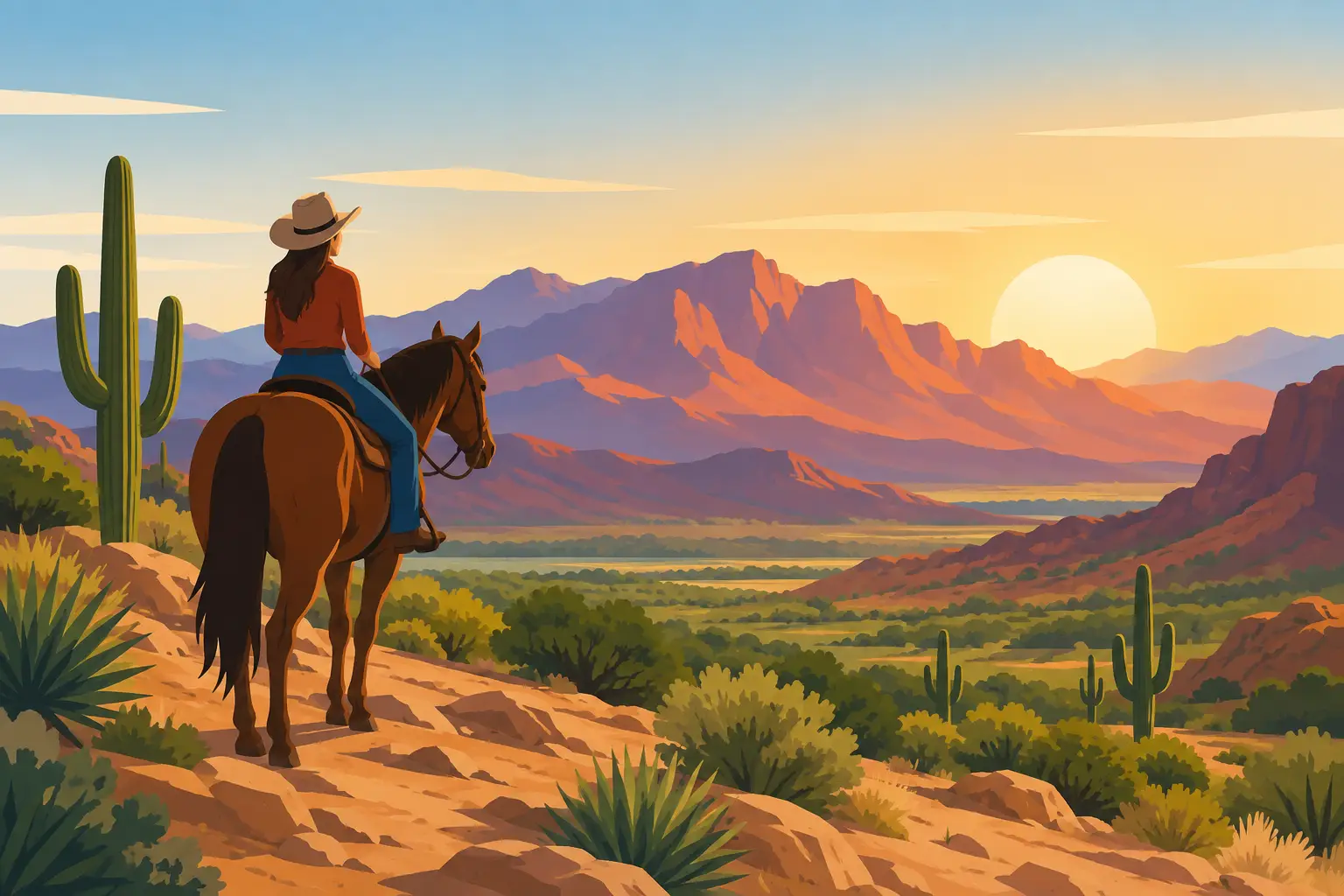
The desert feels different from horseback. You notice the soft crunch of the trail beneath a horse’s hooves, the shape of distant mountains, and the quiet that can be hard to find from a car. This Arizona horseback riding guide is for visitors and locals who want that feeling, along with the practical details that turn a good outing into a comfortable, memorable one.
Arizona offers far more than one kind of riding landscape. A morning near the Greater Phoenix area can bring open desert views and warm sun, while higher elevations offer cooler air, pine country, and changing seasons. The right experience depends on who is riding, when you visit, and whether your group wants an easygoing introduction, a private occasion, or a shared activity with a little local story behind it.
Arizona Horseback Riding Guide: Start With the Setting
The first decision is not how long you want to ride. It is where you want the experience to take you. Around Chandler and the Phoenix area, desert riding is especially appealing because it fits naturally into a vacation day or a local weekend plan. You can spend time outdoors without committing to a full-day expedition, and the broad scenery gives even first-time riders a real sense of place.
Northern Arizona delivers a different kind of backdrop. Its higher elevation can be a welcome change during warmer months, but weather and seasonal conditions matter more. A ride that feels perfect in one region may require an extra layer, different footwear, or more flexible planning in another.
Consider the atmosphere you want as well. Some guests want a quiet ride with a partner or close friends. Others are organizing a birthday, family reunion, team outing, or celebration where the shared experience matters as much as the trail. A well-managed riding program can shape the pace, group arrangement, and level of interpretation around the occasion rather than treating every reservation exactly the same.
Choose a Ride That Fits Your Group
You do not need riding experience to enjoy an Arizona trail ride. In fact, many memorable rides begin with someone saying, “I have never done this before.” The key is booking with an operator that takes time to match people with appropriate horses, explain the basics clearly, and keep the atmosphere friendly without taking safety lightly.
Before reserving, be honest about the group. A first-time rider may be nervous but excited. A child may need a shorter, age-appropriate experience. An experienced rider may value a little more room to enjoy the scenery. Those needs do not have to conflict, but they should be discussed before the day of the ride.
Ask what the guide does to support beginners, how riders are paired with horses, and whether the experience allows reasonable spacing when terrain and safety permit. A rigid, nose-to-tail formation can make a ride feel more like waiting in line than spending time outdoors. Thoughtful guides balance group awareness with enough personal space for guests to relax, talk, take in the landscape, and connect with their horse.
For larger parties, confirm the group size and whether private options are available. A corporate group may need more time for arrival, orientation, and photos. A family with younger children may appreciate a format designed around shorter attention spans. Planning for those details is part of good hospitality, not an afterthought.
What a Good Safety Briefing Should Cover
A professional riding experience begins before anyone mounts. Expect clear instructions on how to approach the horse, hold the reins, sit comfortably, and listen for guidance on the trail. The briefing should also set expectations for footwear, clothing, phones, cameras, and rider behavior around the animals.
Good wranglers make safety feel approachable. They speak plainly, answer questions without judgment, and explain why certain practices matter. Horses are living partners in the experience, not props. When they are well cared for and matched thoughtfully to riders, guests are more likely to feel calm and confident.
Pay attention to weight, age, health, and mobility requirements provided during booking. These guidelines protect guests, horses, and staff. If someone in your party has a concern, ask early rather than hoping it will sort itself out at check-in.
Dress for the Desert, Not the Photo
Western-inspired photos are part of the fun, but comfort belongs first. Closed-toe shoes with a secure sole are the smart choice. Long pants help protect your legs from brush and saddle friction, while breathable layers make it easier to adjust as the day warms or cools.
Sun protection is essential in Arizona. Bring sunscreen, sunglasses that fit securely, and water if your operator recommends it. A brimmed hat can be useful before and after the ride, though your guide may have specific direction about headwear while mounted. In cooler months or at higher elevations, add a light jacket rather than assuming desert days stay warm from start to finish.
Leave loose accessories at home when possible. A crossbody bag that stays close to your body is generally easier to manage than a swinging tote. If you plan to take pictures, secure your phone and wait for a safe moment recommended by the wrangler. The best photos come when you are settled, present, and not trying to manage too much at once.
Let the Land Add Meaning to the Ride
A horseback ride can be scenic anywhere. In Arizona, it can also be a chance to understand more about the land beneath you. The strongest experiences pair the outdoor adventure with guides who know the region, respect its history, and share context without turning the ride into a lecture.
When riding on or near tribal land, cultural respect matters. Listen to the guidance provided, stay on designated routes, and treat the setting as more than a backdrop. Ask thoughtful questions when invited, and recognize that not every place, story, or tradition is meant for casual consumption. A culturally grounded experience should create connection through respect, not spectacle.
KOLI Equestrian Center brings this approach to guided rides on the Gila River Indian reservation, where knowledgeable wranglers share perspective on the horses, the desert, and the regional heritage. That added context can make a ride feel personal in a way a standard attraction cannot.
Timing Can Change the Entire Experience
Arizona weather is part of the adventure, and smart timing makes a major difference. During hotter parts of the year, earlier reservations are often more comfortable. Morning light can also make the landscape especially striking, with long shadows and softer temperatures before the afternoon heat builds.
Cooler months invite a wider range of ride times, though desert evenings can become chilly quickly. If you are visiting from a colder climate, do not underestimate the sun. If you are an Arizona local, do not underestimate how quickly temperatures can shift after sunset.
Monsoon season calls for flexibility. Rain can transform the smell of the desert and create dramatic skies, but lightning, muddy conditions, and rapidly changing weather may affect scheduling. A reputable operator will make conservative decisions when conditions require it. That is not a disappointment – it is a sign that the horses and guests are being looked after properly.
Make the Ride Part of the Occasion
Horseback riding works well because it gives people something real to share. Couples get an experience that is more memorable than another restaurant reservation. Families get time away from screens. Friends have a story to bring home. Teams get a setting where conversation feels less forced than it does in a meeting room.
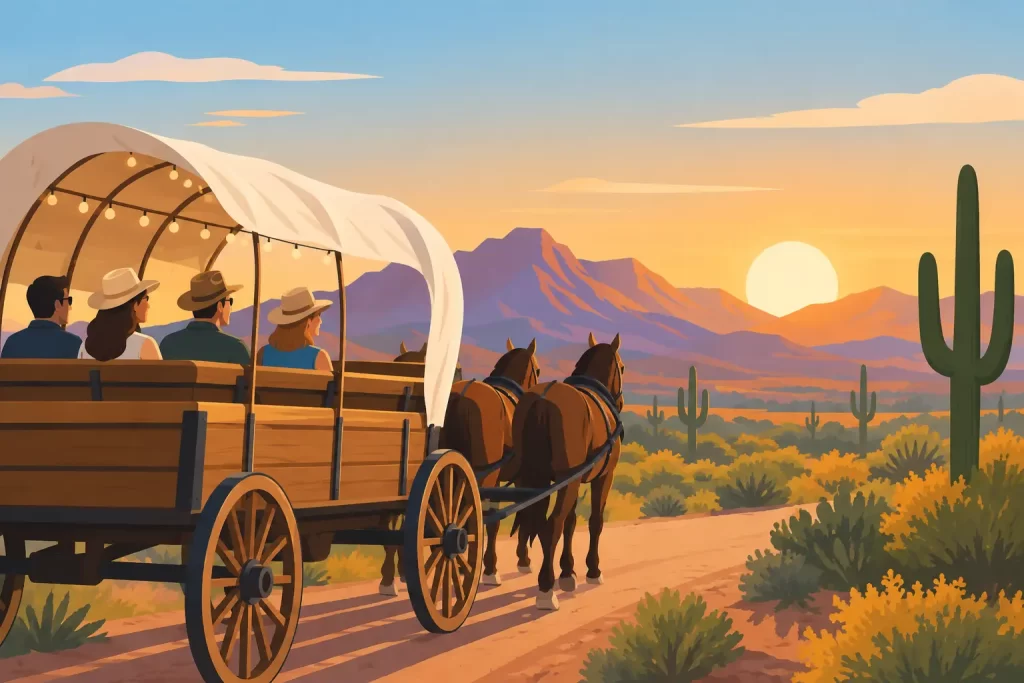
If the ride is tied to a celebration, mention it when booking. The operator may be able to suggest a private format, wagon experience, timing that suits your plans, or an arrangement that gives your group a little more space. Be clear about the occasion and the makeup of the group, especially if children or first-time riders are included.
Most of all, arrive with enough time to settle in. Rushing from a packed itinerary into the saddle makes it harder to enjoy the moment. Give yourself room to meet the horse, hear the wrangler’s instructions, and look across the trail before the ride begins. Arizona has a way of rewarding people who slow down long enough to notice where they are.