
How Beginners Stay Safe While Horseback Riding
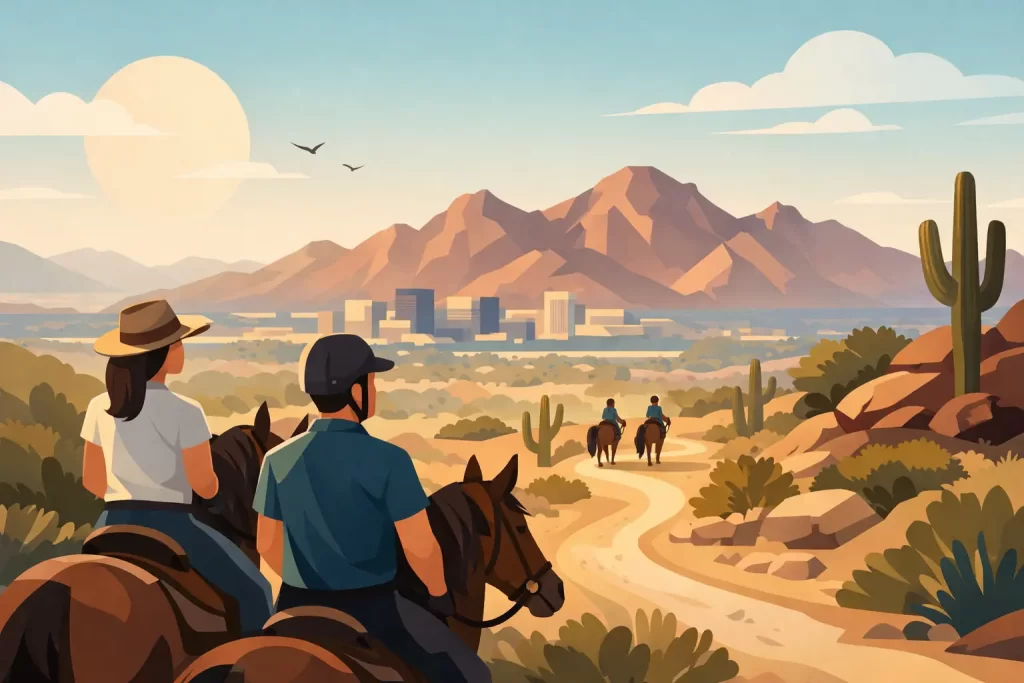
A first horseback ride should feel like an adventure, not a test of nerve. The question of how beginners stay safe horseback riding starts well before you place a boot in the stirrup: choose a professionally guided experience, listen closely to the wranglers, and give yourself permission to learn at an easy pace. With the right horse, clear guidance, and a few simple habits, first-time riders can relax enough to notice the open desert, the rhythm of the ride, and the stories the land has to offer.
How Beginners Stay Safe on Horseback Starts Before the Ride
Safety begins with the operator you choose. A reputable riding center matches guests with well-cared-for horses that are accustomed to guided rides and takes time to explain what will happen before the group heads out. A calm, experienced horse is not a luxury for a beginner. It is the foundation of a comfortable experience.
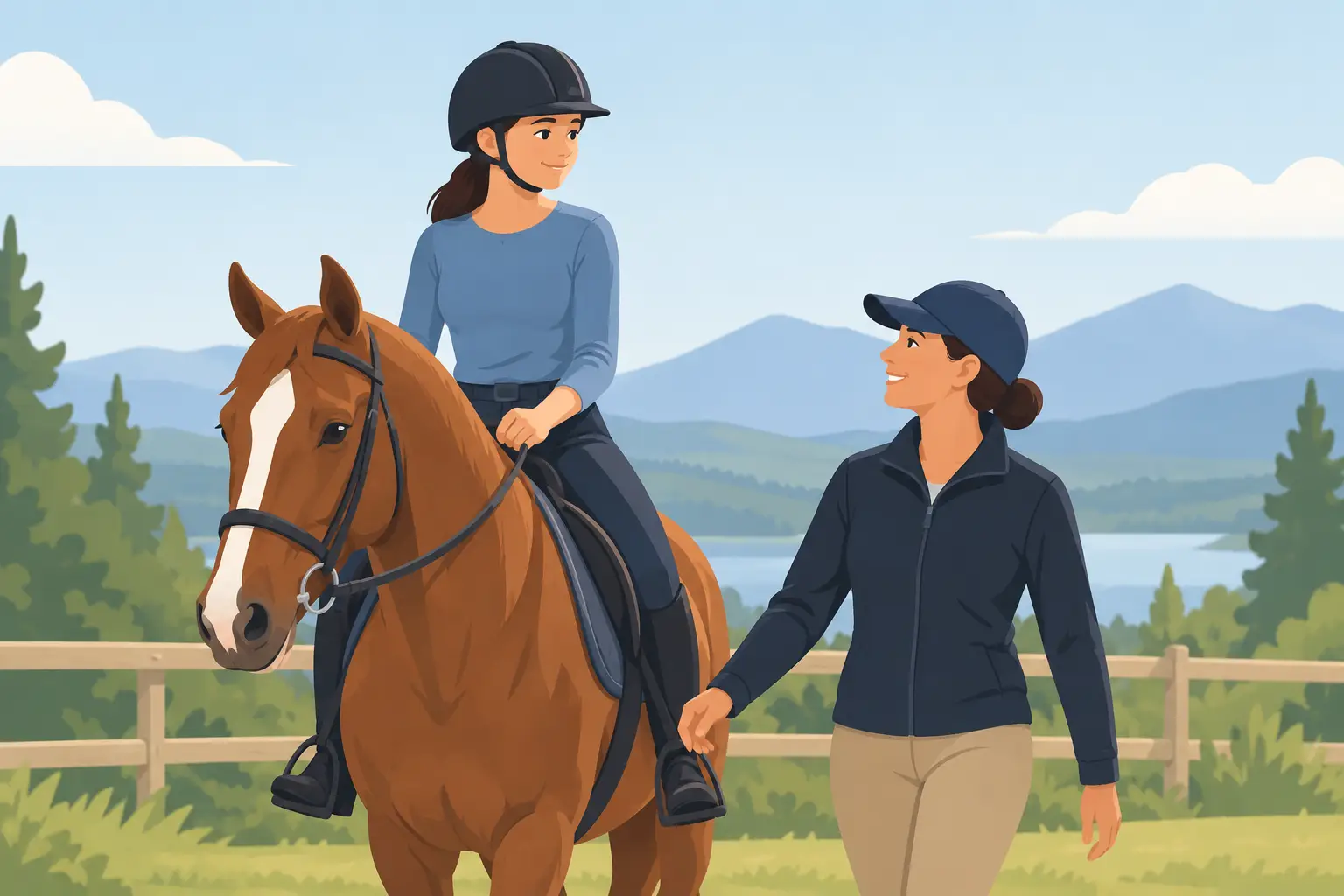
Look for a team that asks about your riding background, physical considerations, and the ages of younger guests. Those questions are not a formality. They help wranglers make thoughtful horse-and-rider matches and plan the outing around the group’s needs. A good guide will also explain where to stand, how to approach a horse, how to mount, and what to do if you feel uncertain once you are in the saddle.
At KOLI Equestrian Center, knowledgeable wranglers help guests get settled before the ride begins, so first-time riders can start with a clearer understanding of their horse and the experience ahead.
Dress for Comfort, Control, and Desert Conditions
Your clothing does not need to look like a movie costume, but it should help you ride safely. Closed-toe shoes with a defined heel are the most useful choice. The heel helps keep your foot from sliding through the stirrup, while a secure shoe protects your toes around horses and equipment. Avoid open-toe shoes, loose sandals, or footwear that can easily slip off.
Long pants make the ride more comfortable by reducing rubbing against the saddle. Choose clothes that let you move naturally without extra-long, loose fabric that could catch on tack. In the Phoenix area, breathable layers, sunscreen, and sunglasses can make a major difference, especially when the sun is strong. A light jacket may be welcome on a cool morning, while water is essential during warmer seasons.
Helmet policies vary by riding center, age, and type of experience. If helmets are offered or required, wear one correctly and let the team adjust the fit. A helmet should sit level on your head, with the chin strap snug enough that it does not shift during normal movement.
Meet Your Horse With Calm, Clear Body Language
Horses are attentive animals. They notice sudden movements, loud voices, and people stepping unexpectedly into their space. You do not have to be nervous about that fact. You simply need to move with awareness.
Approach only when a wrangler tells you it is time, and come toward the horse from the side where it can see you. Speak softly if you wish, but avoid shouting, waving, or reaching over the horse’s face. Never walk directly behind a horse. If you need to pass behind one, ask the wrangler where to go or give the horse plenty of space.
Keep fingers, scarves, camera straps, and loose personal items away from the horse’s mouth and legs. Treats should only be given if the guide specifically allows them. A horse that is gentle and familiar with guests still deserves personal space and respectful handling.
Listen Before You Need the Instructions
The pre-ride talk may be the most valuable few minutes of the entire experience. Wranglers typically cover how to hold the reins, where to place your hands and feet, how to sit balanced in the saddle, and how to communicate if you need help. Pay attention even if another person in your group has ridden before. Every riding center, trail, and horse may have slightly different procedures.
A relaxed, balanced seat helps both you and the horse. Sit upright without stiffening your shoulders, keep your eyes looking ahead, and let your legs rest naturally at the horse’s sides. Hold the reins as instructed, with enough contact to communicate but without pulling or wrapping them around your hands.
If you forget a direction, ask. There is no prize for guessing. A simple, “Can you show me that again?” is exactly the kind of question guides expect from beginners.
Give Horses Room on the Trail
One of the easiest ways beginners stay safe on horseback is by maintaining the spacing set by their wrangler. Horses often prefer a comfortable distance from one another, especially when traveling in a group. Following too closely can make the horse ahead feel crowded, while drifting too far away can make it harder for guides to keep everyone together.
Stay in the route and position your guide has assigned. Do not try to pass another rider, turn off the trail, or change places in the group without permission. The arrangement is designed around the horses, the terrain, and the group’s experience level.
It also helps to keep conversation at a friendly volume. Guided rides can be wonderfully social, but sudden yelling or abrupt movements may distract horses and other guests. Save the big gestures for when you are back on solid ground and taking photos.
Let the Wrangler Lead the Experience
A guided horseback ride is different from handling a horse on your own. Your wrangler knows the horses’ personalities, the route, changing trail conditions, and the best way to respond if a horse pauses, looks around, or needs encouragement. Their instructions are there to keep the group comfortable, not to take away the fun.
Sometimes a horse may stop to look at something, take a moment to settle, or follow the pace of the horse ahead. For a new rider, that can feel surprising. The best response is usually to remain seated, keep your hands calm, and wait for the guide’s direction. Avoid kicking, shouting, pulling sharply on the reins, or trying to solve the situation yourself.
If you feel uncomfortable at any point, speak up early. Tell a wrangler if your saddle feels loose, your stirrup seems out of place, you are feeling dizzy, or you need a break. Guides can help much more easily when they know what you are experiencing.
Keep Phones and Photos From Becoming a Distraction
Desert views and a horse beneath you can make every moment feel photo-worthy. Still, the safest time to take a photo is when your guide says it is appropriate, your horse is standing quietly, and you can keep at least one hand focused on the reins as instructed.
Do not lean far out of the saddle for a shot or hold a phone where it could spook your horse. Secure phones, hats, and water bottles before mounting. If an item falls, do not dismount or reach down to retrieve it. Tell your wrangler, who will decide the safest way to handle it.
The same approach applies to wildlife and scenic details. Enjoy them, but do not attempt to get closer on your own. A guided ride lets you experience the desert with more awareness when you are not trying to manage every photo at once.
Be Honest About Your Comfort Level
Beginners sometimes worry that admitting nerves will spoil the outing. In reality, honesty makes a better ride possible. Tell the team if this is your first time, if you have had a bad experience around horses, or if you are unsure about mounting. You can also mention injuries, balance concerns, or other limitations when booking and again when you arrive.
A family ride, private experience, or carefully paced group outing may be a better fit depending on the rider. There is no single right option for every guest. The goal is not to prove anything. It is to have a safe, memorable experience that feels welcoming from the first greeting to the final dismount.
When the ride is over, wait for the wrangler’s instructions before getting down. Dismounting is a transition, not a race to the parking area. Thank your horse, take a breath, and carry that steady confidence with you – it is the best souvenir a first-time rider can bring home.