How to Plan a Riding Outing Near Phoenix
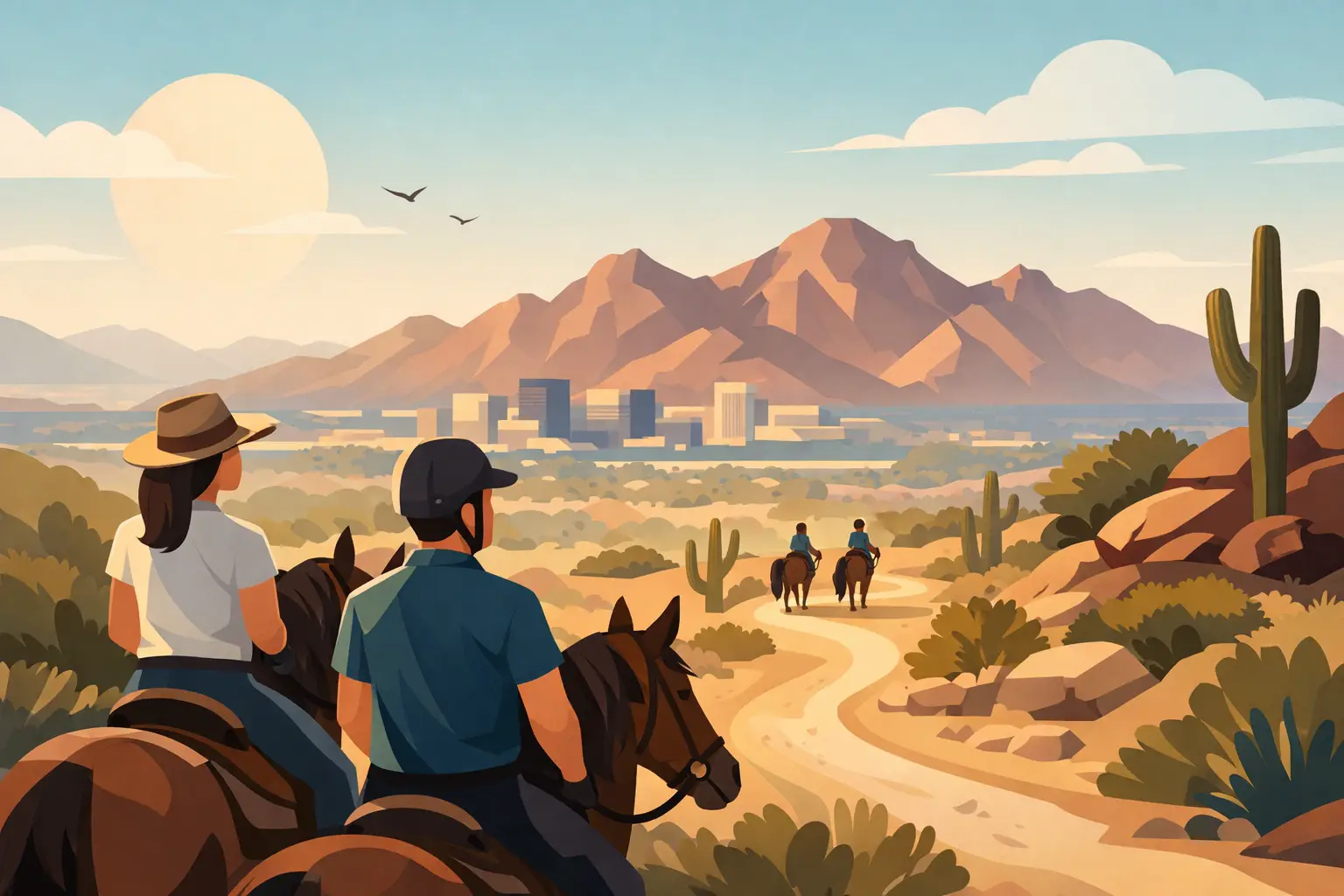
A great horseback outing starts long before you put a boot in the stirrup. Knowing how to plan a riding outing means choosing an experience that fits your group, preparing for desert conditions, and leaving enough room to enjoy the moment once you are in the saddle. For a family vacation, birthday celebration, date, or weekend plan with friends, the right details turn a simple activity into a story everyone will keep telling.
A guided ride should feel welcoming from the first question through the final photo. The best plans balance adventure with clear expectations, especially when first-time riders and experienced guests are sharing the day.
Start With the Kind of Experience You Want
Before comparing dates or deciding what to wear, decide what you want the outing to feel like. A couple may want a quieter private ride with time to take in the landscape. A family may need a beginner-friendly option with age requirements that suit the children. A larger group might be looking for a shared celebration, a wagon experience, or an event that lets everyone relax together.
Your group’s comfort level matters more than anyone’s idea of what a horseback experience is supposed to be. First-time riders often do best with a professionally guided ride on steady, well-cared-for horses and with wranglers who explain each step clearly. More experienced riders may appreciate a guide who can speak to the landscape, local history, and the personality of the horses rather than simply moving a group from one point to another.
Be honest when you book. Share the number of guests, approximate ages, riding experience, and any concerns about mobility, heat, or nerves around horses. A good outfitter uses that information to recommend the right experience, not to make guests fit into a one-size-fits-all ride.
Choose a Time That Works With Arizona Weather
Desert riding has its own rhythm. Morning rides are often a smart choice during warmer months because temperatures are more comfortable and the light can be especially beautiful. Cooler-season afternoons can be appealing too, particularly for visitors who want a relaxed outdoor activity after a morning of sightseeing.
Weather is not the only timing consideration. Give your group enough time to arrive, park, check in, complete any required forms, meet the wranglers, and hear safety instructions without feeling rushed. Arriving late can put unnecessary pressure on guests and may affect the experience for the entire group.
If your outing is tied to a birthday, reunion, proposal, or company gathering, reserve early. Weekends, holidays, and peak visitor seasons can fill quickly. Booking ahead also gives you time to coordinate transportation, meals, and any celebration details around the ride.
Plan for the Full Experience, Not Just Saddle Time
A riding outing is more enjoyable when your schedule has breathing room on both sides. Avoid booking a ride immediately after a long flight or squeezing it between tightly timed reservations across town. Guests often want a few minutes afterward to talk with the wranglers, take photos, and enjoy the setting.
For groups visiting the Chandler and Greater Phoenix area, factor in travel time carefully. Desert roads and event traffic can change a short drive into a longer one, especially on weekends. Build in a buffer, then treat an early arrival as part of the experience rather than dead time.
Dress for Comfort, Safety, and the Setting
You do not need to look like a lifelong rider to be comfortable around horses. You do need practical clothing. Closed-toe shoes with a secure fit are a must. Long pants help protect your legs from saddle rub and desert brush, while a lightweight long-sleeve layer can provide useful sun protection.
Choose clothes you can move in easily. Avoid loose scarves, dangling accessories, or anything that might catch on tack or branches. A hat and sunscreen are useful for time outdoors, but always follow your guide’s instructions on what can be worn safely while riding.
Bring water, particularly during warmer weather, and ask in advance whether there are restrictions on bags, cameras, or phones. A small item that can be secured is usually easier to manage than a large bag shifting around while you ride. If photos matter to your group, decide ahead of time who will take them and when. That lets everyone stay present during the ride rather than worrying about capturing every second.
Know What a Good Guided Ride Looks Like
The quality of the guide matters as much as the scenery. Look for an operation that makes safety clear without making the experience feel stiff or intimidating. Guests should receive straightforward instruction on mounting, holding the reins, spacing, listening to the wranglers, and interacting respectfully with the horses.
A well-managed ride also does not need to feel like a silent line of strangers. At KOLI Equestrian Center, the goal is to give guests room to enjoy conversation, scenery, and the connection that comes from being outdoors together, while guides keep the experience organized and safe. That balance can make a ride feel personal rather than routine.
Ask what the guides share along the way. For many visitors, the most memorable part is not just seeing the desert from horseback. It is hearing meaningful stories about the land, the horses, and the cultural heritage connected to the Gila River Indian reservation. An experience grounded in place gives guests something deeper than a photo opportunity.
Ask Questions Before You Confirm
There is no need to guess about the details. The answers help you choose with confidence, especially if this is your first time. Before booking, confirm:
- Age, height, weight, and health requirements for riders
- Whether the experience is suitable for beginners and children
- What is included in the price and whether gratuity is customary
- Cancellation, weather, and rescheduling policies
- How private rides, group rides, wagon experiences, or event packages differ
These questions are not about overplanning. They help prevent avoidable surprises and ensure every guest arrives prepared for the same kind of outing.
Make the Group Plan Easy on Everyone
When organizing for friends, relatives, or coworkers, choose one person to handle the practical details. That person can collect confirmations, send arrival information, remind guests about footwear, and make sure everyone understands the schedule. A single point of contact prevents a long chain of conflicting messages.
Keep the plan realistic for the least experienced person in the group. The goal is not to prove who is most adventurous. It is to create an outing where a nervous beginner, a horse-loving child, and a seasoned outdoor guest can all feel included. If the group has mixed needs, ask whether separate experiences, a private option, or a wagon-based activity would be the better fit.
For celebrations, consider what happens after the ride. A meal, picnic, or simple time set aside for photos can give the day a natural finish. Just avoid overpacking the schedule. A horseback outing has a way of slowing people down in the best possible sense.
Set the Right Expectations Before You Arrive
Horses are attentive, intelligent animals, not amusement park equipment. The most enjoyable guests approach them calmly, follow their wrangler’s direction, and give them the respect they deserve. Explain this to children before arrival so they know that listening is part of the fun.
It also helps to let first-time riders know what they can expect emotionally. Feeling excited and a little uncertain is normal. Guides are there to help guests mount, settle in, and understand the basics. Once the group is moving through the landscape, many nervous riders find that their attention shifts from worry to the quiet rhythm of the ride.
A little preparation makes space for the part you cannot schedule: the moment when your group looks around, takes in the open desert, and realizes the day has become more memorable than expected.