What a Native American Horse Experience Feels Like
The desert gets quieter once you are in the saddle. The city sounds fall away, the horizon opens, and the land begins to tell a different story through its desert plants, wide skies, and enduring trails. A Native American horse experience is not simply a horseback ride with a scenic backdrop. At its best, it is time spent respectfully on Indigenous land with guides who help guests connect the ride to the place beneath their boots.
For visitors and locals near Phoenix, that difference matters. You may come looking for a fun outdoor activity, a family memory, or a fresh way to celebrate a birthday. You can leave with dust on your boots, pictures worth sharing, and a deeper appreciation for the land that makes central Arizona unlike anywhere else.
A Horseback Ride With a Sense of Place
A meaningful Native American horse experience begins with the understanding that the Southwest is more than scenery. Desert washes, mountain views, mesquite, and open terrain all belong to a living landscape with a long history. The best guided experiences make room for that context without turning culture into a prop or a performance.
Your wrangler should be able to introduce the area with care, share local perspective where appropriate, and help you notice details you might otherwise pass by. That could mean pointing out how the light changes across the desert, explaining the practical realities of traveling through this terrain, or sharing stories that connect horses, people, and place.
Native American cultures are not one single story, and a respectful experience should never suggest otherwise. The value is in learning about the local setting and its heritage while recognizing that Indigenous communities are contemporary communities with their own voices, traditions, and boundaries. Guests do not need to arrive as experts. Curiosity, good listening, and respect go a long way.
What Makes the Native American Horse Experience Different?
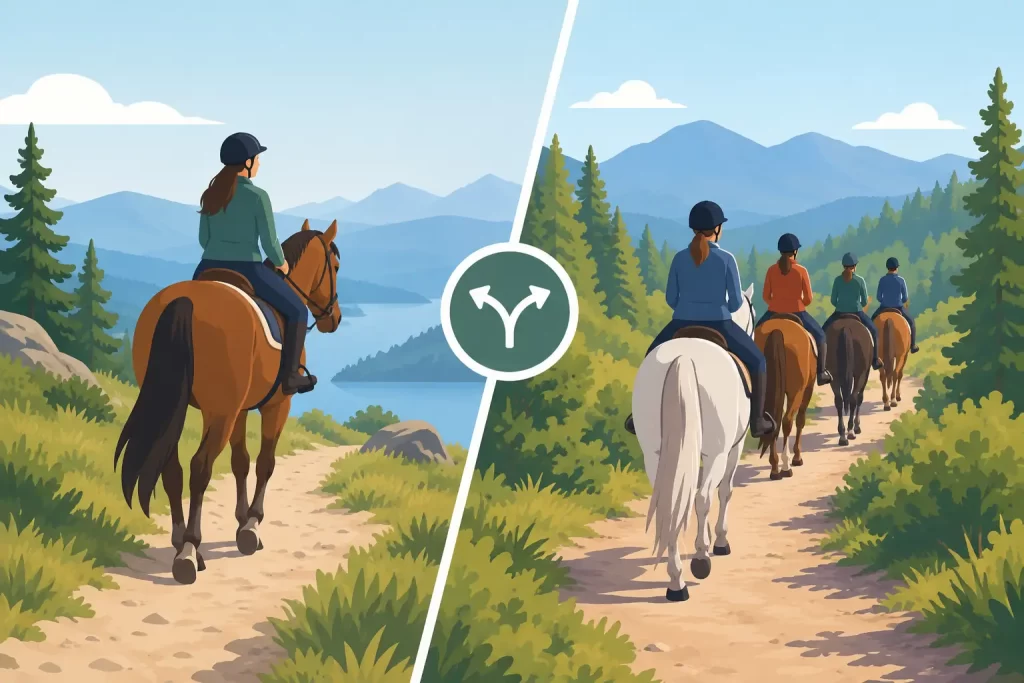
Many people picture trail riding as a rigid line of horses moving silently along the same path. A more personal guided ride feels different from the start. After a proper safety introduction, riders can have room to take in the view, talk with the people they came with, and enjoy the natural rhythm of being outdoors.
That does not mean safety takes a back seat. It means trained horses, experienced wranglers, and thoughtful group management create the conditions for guests to relax. First-time riders often need clear instruction and steady reassurance. More experienced riders still benefit from guides who know the terrain, read the group well, and keep the experience comfortable for everyone.
At KOLI Equestrian Center, the goal is to pair that professional guidance with genuine desert immersion on the Gila River Indian reservation. The ride is designed to feel welcoming rather than overly scripted, so couples, families, visiting friends, and work groups can share the moment instead of merely checking an activity off a list.
The Horse Is Part of the Welcome
A good horse can make a first ride feel possible. For many guests, the strongest memory is not the view but the moment they realize they can settle into the saddle, trust their horse, and enjoy the trail.
Well-cared-for horses bring calm energy to the experience. They are matched thoughtfully to riders, handled by knowledgeable staff, and given the attention they deserve before and after guests arrive. That care is not a behind-the-scenes detail. It directly shapes how confident and comfortable a rider feels.
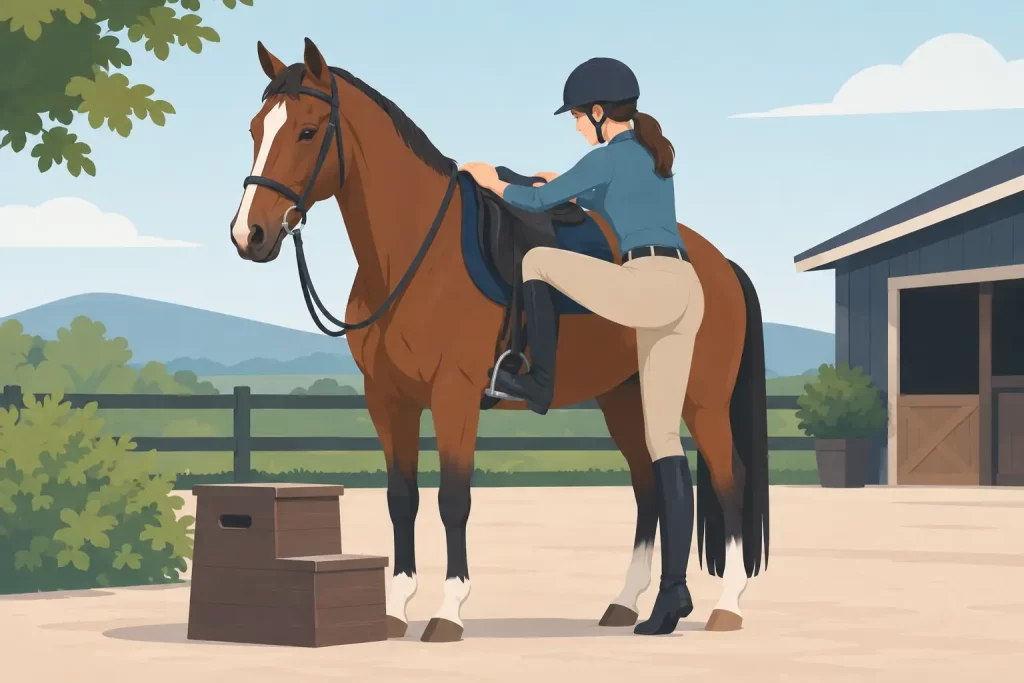
If you are nervous, say so. A quality outfitter welcomes that conversation. Wranglers can explain how to mount, hold the reins, sit comfortably, and communicate clearly during the ride. There is no prize for pretending you know more than you do. The best first ride is the one where you feel safe enough to look up and enjoy it.
How to Choose a Respectful Guided Ride
Not every desert horseback outing offers the same depth, and the right choice depends on what you want from the day. Some guests want a simple scenic outing. Others are specifically looking for an experience that adds cultural context to their time in Arizona. Both are valid, but it helps to know what to ask before booking.
Look for a provider that speaks clearly about safety, horse care, group size, rider requirements, and the role of its guides. A trustworthy operation does not hide practical details behind vague promises. It should make it easy to understand what is included, how long the experience lasts, what to wear, and whether it is a fit for children or first-time riders.
Also pay attention to how cultural connection is described. Respectful language is specific about the local area without making sweeping claims about all Native peoples. It avoids costumes, stereotypes, and exaggerated legends. It centers real land, real hospitality, and thoughtful interpretation from people who know the experience they are guiding.
Questions Worth Asking Before You Book
Before choosing a ride, ask whether beginners are welcome, whether guides provide instruction before departure, and what the group format feels like. If you are visiting with children, confirm age or size requirements and ask whether there is an option created especially for younger guests.
For a celebration, family reunion, or corporate outing, ask how the experience can be shaped around your group. A private ride or wagon-based gathering may offer more time to connect, take photos, and enjoy the desert at your own pace. The right format depends on your group’s comfort level, schedule, and the kind of memory you want to create.
It is also smart to ask about weather planning. Arizona sunshine is part of the appeal, but desert conditions can change quickly with season and time of day. Dress in comfortable layers, wear closed-toe shoes, bring sun protection, and arrive ready to follow your wrangler’s guidance.
How to Be a Good Guest on the Land
Respect is not complicated, but it is active. Listen closely during the safety talk, stay on the route your guides provide, and give the horses the calm attention they need. Keep your phone secure while riding, take photos only when it is safe to do so, and let the experience be bigger than your screen.
Cultural respect matters just as much. Ask thoughtful questions, but do not assume a guide is there to speak for every Native person or tradition. Be open to what is shared, avoid treating the setting as a costume backdrop, and remember that the land is not just an attraction. It is a place of ongoing meaning.
Families can use the ride as a chance to model that mindset for children. Encourage them to notice the trail, thank their horse, listen to the wrangler, and ask what they are wondering about. Those small choices turn a fun afternoon into a more lasting kind of learning.
Make Room for the Moment
A Native American horse experience can be peaceful, exciting, social, and reflective all at once. One rider may remember the first moment they felt comfortable in the saddle. Another may remember a wrangler’s story, the golden desert light, or the laughter shared with family on the trail.
Come prepared, bring your curiosity, and allow the desert to set a slower pace than the rest of your trip. When you give the land, the horses, and your guides your full attention, the ride has a way of staying with you long after the dust has settled.