A Guide to Wrangler-Led Rides Near Phoenix
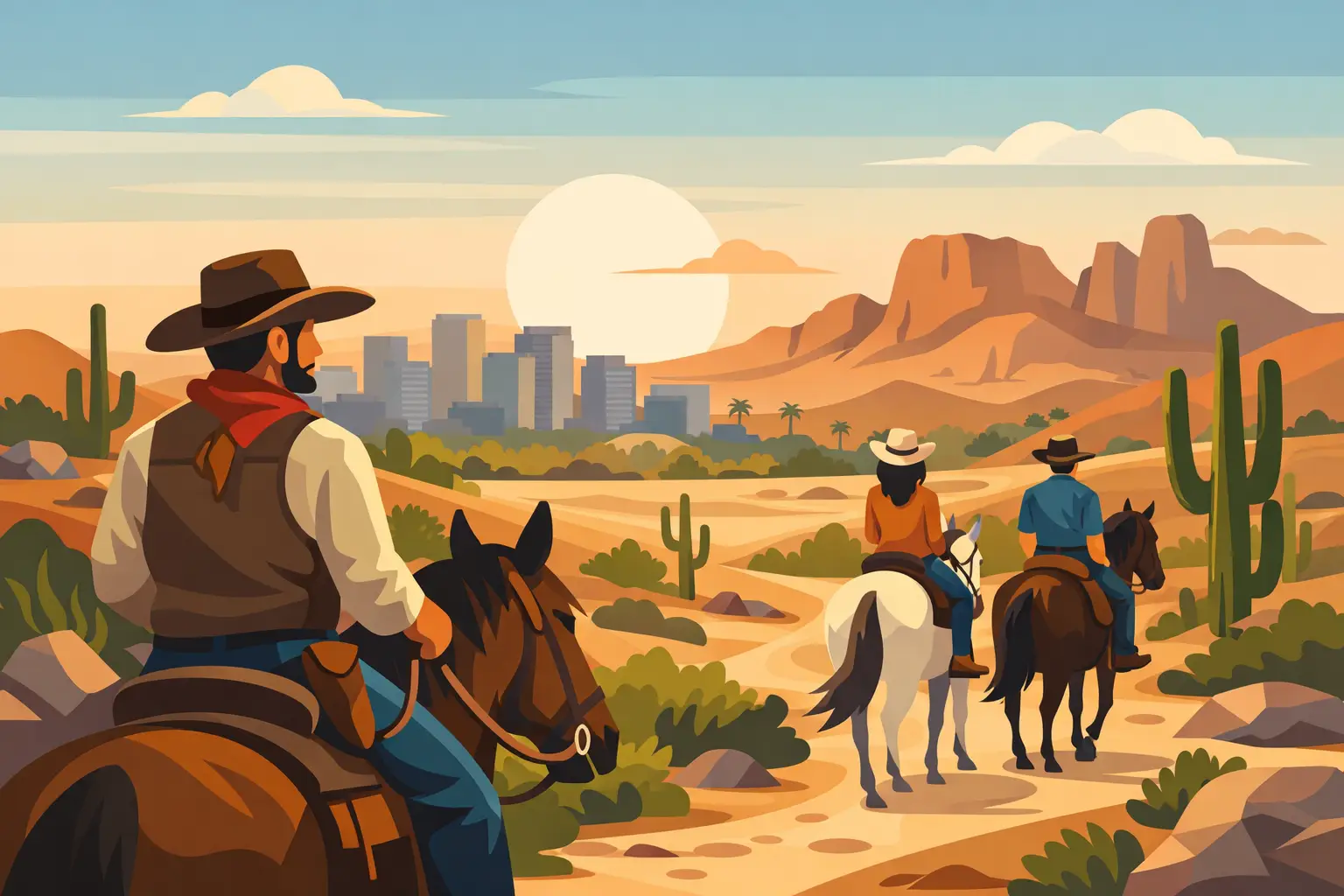
A guide to wrangler-led rides begins with a simple truth: the right guide changes the whole day. You are not just sitting in a saddle and following a route. You are meeting a horse with its own personality, moving through open desert country, hearing stories that give the landscape meaning, and sharing an experience that feels much more personal than a standard tourist activity.
For visitors and locals around Greater Phoenix, a guided ride can be an easy way to trade busy schedules and city traffic for fresh air, Western hospitality, and time outdoors. The best experiences welcome first-time riders without making experienced guests feel as though they are on autopilot. That balance comes from knowledgeable wranglers, well-matched horses, thoughtful safety practices, and a genuine respect for the land.
What Makes a Wrangler-Led Ride Different?
A wrangler-led ride is about more than having someone point the way. Your wrangler is the person who helps you get comfortable before mounting, explains how to communicate with your horse, watches the group throughout the ride, and makes sure the pace and setting remain appropriate for the guests present.
At a quality operation, wranglers also bring the setting to life. In Arizona, that may include sharing perspective on desert ecosystems, regional history, horses, and the Native American heritage connected to the land. The best interpretation is welcoming and respectful, never rushed or performative. It gives guests room to enjoy the scenery while understanding that they are traveling through a place with a real story.
This is also where the format matters. Some trail rides place every rider in a tight single-file line with little chance to talk or look around. A more guest-centered experience creates appropriate spacing where conditions allow, helping friends and families connect while still following the wrangler’s direction. Safety remains the priority, but the ride feels less like a conveyor belt and more like a shared desert outing.
Choosing the Right Ride for Your Group
The right ride depends on who is coming, what you hope to celebrate, and how much time you want to spend outdoors. A couple looking for a memorable date may prefer a private experience with more space and conversation. A family may value a children’s riding experience designed around younger guests. A friend group may want a guided ride that gives everyone a chance to relax together and take in the view.
First-time riders should not assume that horseback riding is only for people with prior experience. Many guided rides are built specifically for beginners. The key is choosing an operator that asks clear questions about age, comfort level, and group size before the ride. Honest answers help the staff pair guests with suitable horses and recommend an experience that fits.
Experienced riders should also set expectations. A guided recreational trail ride is not the same as independent riding or a technical horsemanship lesson. Its appeal is the combination of scenery, connection, and professional guidance. If your goal is quality time in the saddle without the logistics of arranging horses, routes, and safety support, it can be an excellent fit.
Private Rides, Group Rides, and Special Occasions
Group rides bring energy. They are especially enjoyable for visiting relatives, birthday celebrations, team outings, and friends searching for something more memorable than another dinner reservation. The trade-off is that the experience needs to work for the full group, so participants should be open to following shared instructions.
Private rides offer a quieter option and may allow for more personalized attention. They can be a strong choice for couples, small families, or guests marking a milestone. Availability, minimums, and timing can vary, so planning ahead is wise, particularly during popular travel seasons.
For larger gatherings, horseback riding can be part of a bigger occasion. Wagon experiences, off-site wagon rentals, and customized event options may create room for guests who prefer not to ride while still giving everyone a Western-inspired experience to enjoy together.
How to Prepare for Your Ride
Comfortable preparation helps you focus on the fun once you arrive. Wear closed-toe shoes with a secure fit, along with clothing that lets you sit comfortably and move easily. Long pants are usually the practical choice. Desert weather can shift over the course of a day, so layers are useful during cooler mornings or evenings.
Sun protection deserves the same attention as footwear. Bring sunscreen, wear a hat that stays secure, and consider sunglasses if they are comfortable for you. Drink water before arrival and follow the operator’s guidance about what can be carried during the ride. A small personal item may be easy to manage, while bulky bags can become distracting or unsafe around horses.
Arrive early enough to complete any required waivers, use the restroom, and listen to the orientation without feeling rushed. A good pre-ride briefing covers mounting and dismounting, rein handling, rider position, what to do if your horse pauses, and how to respond to your wrangler’s instructions. Ask questions then. There is no prize for pretending you understand something when you do not.
Meeting Your Horse With the Right Mindset
Horses are calm, capable partners, but they are also attentive animals. They respond best to riders who are relaxed, consistent, and willing to listen. You do not need perfect posture or prior riding knowledge. You do need to avoid sudden movements, loud surprises, and attempts to treat your horse like a photo prop.
Your wrangler will show you how to approach your horse and where to place your hands and feet. Follow those directions carefully, even if you have ridden somewhere else. Every stable has procedures based on its horses, terrain, and guest experience.
It is natural to feel nervous before getting in the saddle, especially if it is your first time. Tell your wrangler. Experienced guides would rather offer a little extra reassurance at the start than have a guest spend the ride quietly worried. Once you settle in and begin moving through the landscape, many first-time riders find that their nerves give way to a surprising sense of calm.
Safety Is Part of the Hospitality
A memorable ride should feel adventurous, not uncertain. Professional operators build safety into the experience long before guests arrive. That includes caring for horses, maintaining equipment, setting rider guidelines, monitoring weather, and matching the route to the group’s needs.
Guests play an essential role, too. Listen during the briefing, keep a respectful distance from other horses, stay aware of your surroundings, and let your wrangler lead. Do not pressure a friend or child to participate if they are uncomfortable. A great outing is one where each person chooses the level of involvement that feels right for them.
Weather can affect plans in Arizona. Summer heat, wind, and seasonal conditions may influence ride times or availability. That is not a drawback of guided riding. It is a sign that the operator is making decisions with guests and horses in mind. Flexibility is often the difference between forcing an outing and enjoying one.
Bring Home More Than Photos
Photos are part of the fun, but the lasting value of a wrangler-led ride is often less obvious. It may be the moment a child realizes they are comfortable around a horse, the quiet of the desert after a busy convention week, or a story shared by a guide that makes Arizona feel more personal.
KOLI Equestrian Center approaches guided rides as hosted experiences, with knowledgeable wranglers, cared-for horses, and a connection to the Gila River Indian reservation that adds depth to the day. Whether you are planning a family outing, a date, or a group adventure, choose a ride that respects both the guests and the place.
Come ready to listen, laugh, and let the desert set a different pace. The horse may carry you down the trail, but a good wrangler helps make the experience stay with you long after you step out of the saddle.