
How to Plan a Group Ride That Feels Easy
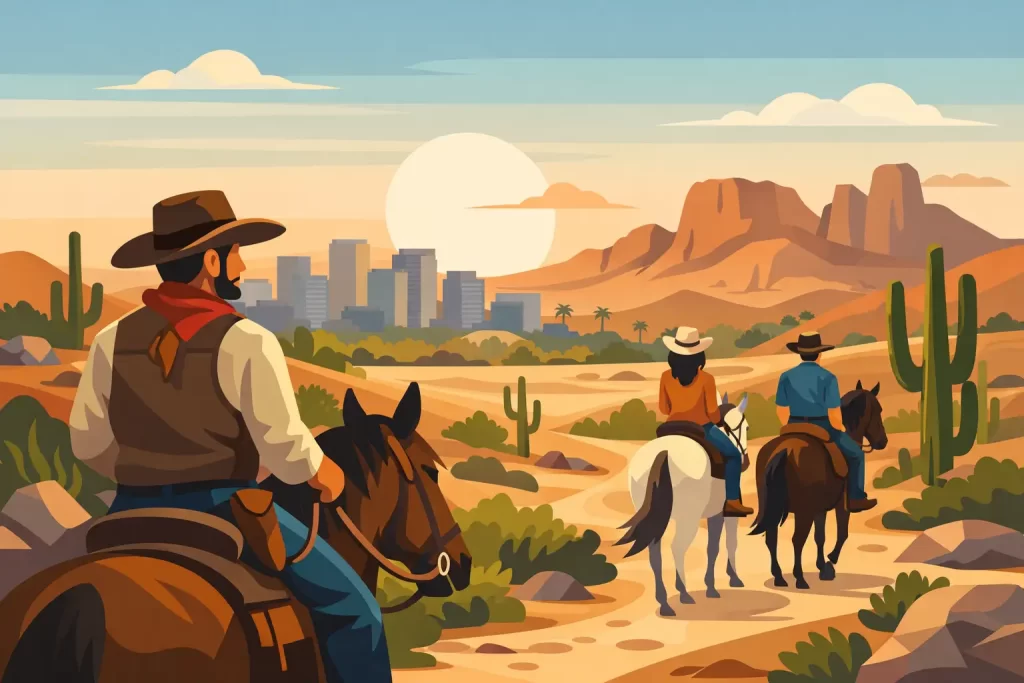
The moment a group ride starts feeling stressful, people stop looking forward to it. One friend wants a sunset outing, another wants something beginner-friendly, someone else is asking about kids, and now half the group is waiting on one text thread. If you’re figuring out how to plan group ride experiences that actually feel fun from the start, the secret is simple – make the ride easy to say yes to.
A great group ride is not just about getting people on horses. It is about matching the experience to the people, choosing a setting that feels welcoming, and working with guides who know how to keep the day organized without making it feel stiff. When that part is done well, the ride becomes the kind of outing people remember for the scenery, the laughter, and the feeling of doing something different together.
How to Plan a Group Ride Without Overcomplicating It
Most group rides go better when the plan starts with the group itself, not the calendar. Before you pick a date or send out invites, think about who is actually coming. A birthday group with first-time riders needs a different experience than a team outing with adults who want a scenic adventure and time to connect.
That matters because horseback riding is not one-size-fits-all. Some groups want a peaceful desert ride with room to take in the landscape and talk along the way. Others are planning a celebration and want something memorable that feels more elevated than a standard activity. The better you understand your group’s comfort level, age range, and reason for gathering, the easier every other decision becomes.
Start by asking a few practical questions. Are most riders beginners? Will there be children? Is this for a family get-together, a corporate event, or a trip with friends? Do people want a laid-back experience or something that feels more like a signature Arizona memory? You do not need a long survey. You just need enough information to avoid building the wrong kind of outing.
Choose the Right Kind of Ride
One of the biggest planning mistakes is assuming every horseback experience works the same way. It does not. Some rides are designed for private groups, some are better for mixed parties, and some are ideal when your group includes a wide range of ages or confidence levels.
If your group wants a more personal feel, a private ride usually makes the most sense. It gives everyone more space to settle in, ask questions, and enjoy the setting together. For celebrations or company outings, that extra flexibility often matters more than people expect. It can shape the pace of the experience and make the day feel far less rushed.
If your group includes nervous first-time riders, younger guests, or people who are mainly there for the experience rather than the riding itself, it helps to choose an operator that is known for hospitality, safety, and clear guidance. Friendly wranglers, calm horses, and a relaxed atmosphere can make the difference between a group that arrives unsure and a group that leaves wanting to come back.
There is also an it-depends factor here. A larger group may need more advance coordination, while a smaller group may have more options for timing and format. If your guest list is still shifting, it is smart to ask about minimums, maximums, and how final headcounts are handled before you lock anything in.
Pick a Time That Works for the Experience
People often choose a ride time based only on convenience, but the best time is usually a mix of weather, energy level, and the type of memory you want to create. In Arizona, morning rides can feel calmer and more comfortable, especially for families and groups visiting during warmer months. Late-day rides often bring dramatic light and a more romantic or celebratory mood.
Neither is automatically better. Morning can be ideal when you want everyone fresh, on time, and ready to enjoy the ride before the rest of the day fills up. Evening can feel more scenic and special, especially for couples, friend groups, or visitors hoping for that desert-at-golden-hour moment.
If your group is traveling from Phoenix, Scottsdale, Tempe, or nearby communities, factor in drive time honestly. A ride that starts too early for half the group can create a rushed beginning, and that energy tends to follow the outing. A little breathing room in the schedule usually pays off.
Make Beginner Comfort Part of the Plan
A lot of group organizers worry that horseback riding will only work if everyone has experience. That is rarely true when the ride is well managed. Many group rides are built with beginners in mind, but comfort still deserves attention early in the planning process.
Set expectations clearly. Let people know what to wear, whether closed-toe shoes are required, how early they should arrive, and what check-in looks like. Share anything the operator provides about waivers, age guidance, or rider restrictions. People feel more confident when they know what is coming.
It also helps to normalize first-time nerves. In many groups, the least experienced riders are the quietest ones. A simple note that the ride is guided and beginner-friendly can remove a lot of hesitation. When people feel welcomed instead of judged, they are much more likely to enjoy themselves.
Think Beyond the Ride Itself
The strongest group outings have a rhythm to them. The ride is the centerpiece, but the full experience includes arrival, check-in, photos, and what happens right after. If you are planning for a birthday, reunion, date-day with friends, or team event, think about how the ride fits into the larger day.
Do you want time afterward for a meal, a celebration, or just sharing photos and talking about the experience? Are people dressing casually for the day or trying to fit the ride between other plans? A group ride feels better when it has space around it. Tight schedules can make even a beautiful outing feel hurried.
This is also where the setting matters. A ride through open desert with knowledgeable guides can offer more than recreation. It can create a sense of place. When the experience includes stories about the land, the horses, and local heritage, the ride becomes something richer than just a reservation on the calendar.
Ask the Questions That Prevent Last-Minute Problems
If you are booking for a group, good questions are not nitpicking. They are part of making the day smooth. Ask what the operator needs from you in advance, how they handle weather, what your group should bring, and how they support riders with different comfort levels.
You should also ask about group pacing. Some ride providers keep everyone in a very rigid formation, which may work for certain outings but can feel limiting for social groups. Others create more room for conversation and scenic immersion while still keeping the ride safe and professionally managed. If your goal is a shared experience rather than simply checking a box, that difference matters.
For event planners, it is worth asking whether the operator can accommodate special touches such as private bookings, celebrations, or coordinated group arrivals. The right team will make the logistics feel clear without draining the fun out of the day.
How to Plan a Group Ride People Will Actually Remember
Memorable group rides are rarely the ones with the longest itinerary. They are the ones where people felt taken care of. That starts with choosing an experience that is genuinely suited to your group and ends with details that feel thoughtful instead of generic.
A scenic ride with well-matched horses, experienced wranglers, and a welcoming atmosphere tends to leave a stronger impression than a plan packed with extras no one asked for. People remember how relaxed they felt, how beautiful the landscape looked, and how easy it was to enjoy the moment together.
That is especially true for groups who want something more meaningful than a standard tourist activity. A ride can be adventurous and still feel grounded. It can be fun and still feel professional. It can welcome beginners while still giving the whole group a real connection to the place they came to experience.
At KOLI Equestrian Center, that difference is part of what makes a group outing feel less like a transaction and more like a shared desert memory.
Keep the Planning Simple and the Experience Strong
If you are the one organizing, remember this: your job is not to control every detail. Your job is to make good choices early so the group can relax once the day arrives. Choose the right format, be honest about your group’s needs, communicate clearly, and work with people who know how to host.
When you do that, the ride starts before anyone gets in the saddle. It starts with the feeling that this is going to be easy, welcoming, and worth showing up for. And that is usually the beginning of a day people talk about long after the dust settles.