
A Practical Guide to Desert Trail Safety

The desert can feel generous in the morning and unforgiving by afternoon. A calm trail, wide-open views, and dry air make it easy to underestimate how quickly conditions can change. That is why a good guide to desert trail safety starts with respect for the land itself. Whether you are riding, walking, or joining a guided outdoor experience, the goal is simple – enjoy the beauty of the Sonoran Desert without getting caught off guard.
For many guests, especially first-timers, the biggest surprise is not the terrain. It is the heat, the dryness, and how fast small mistakes add up. Missing breakfast, skipping water, wearing the wrong shoes, or assuming cell service will cover every problem can turn a fun outing into a rough one. Desert safety is not about fear. It is about preparation, awareness, and making smart choices before the trail ever begins.
Guide to desert trail safety starts before the trail
The safest desert outing usually begins hours earlier. Start with hydration, not just a water bottle grabbed at the last minute. In dry Arizona conditions, your body loses moisture faster than many people realize, and thirst often shows up after you are already behind. Drinking water steadily before your activity gives you a much better start than trying to catch up once you feel tired or lightheaded.
What you wear matters just as much. Closed-toe shoes are the easy answer for most desert activities because they protect your feet from thorns, rocks, and shifting ground. Lightweight clothing that covers your skin can actually feel cooler than bare arms under direct sun, and it helps reduce sun exposure. A hat and sunscreen are not optional extras out here. They are part of basic trail readiness.
Timing also changes everything. Early morning and late afternoon are usually more comfortable and often more enjoyable, especially for families, beginners, and guests who are not used to desert heat. Midday can still be manageable depending on the season, but it demands more caution. If you have flexibility, choose the cooler window.
Read the desert like a local guide
One reason guided experiences are valuable is that experienced wranglers and outdoor hosts notice things visitors miss. They watch the weather, the condition of the trail, the pace of the group, and the energy level of each guest. Even on a beautiful day, the desert gives signals.
Pay attention to the ground. Loose rock, sandy washes, uneven footing, and low desert plants can affect every step, whether you are on foot or mounted. Looking up for scenery is part of the fun, but you still need to watch where you are going. A trail can appear open and easy while hiding little hazards that deserve your attention.
You should also pay attention to your own body. Headache, dizziness, nausea, unusual fatigue, and chills in hot weather are all signs that something is off. People often try to push through because they do not want to slow down the group. That is the wrong instinct in the desert. Speak up early. Small adjustments solve small problems much better than emergency responses solve big ones.
Heat is the biggest risk for most guests
When people think about desert safety, they often imagine dramatic threats like snakes or getting lost. Those can matter, but heat causes far more trouble for ordinary visitors. Sun exposure, dehydration, and overexertion are the real everyday risks.
The tricky part is that desert heat does not always feel heavy the way humid heat does. Dry air can feel pleasant at first, especially in the morning, and that can lead people to underestimate what the sun is doing. If your lips are dry, your mouth feels sticky, or you stop sweating even though you are hot, you may already be in a bad spot.
The answer is steady prevention. Drink water regularly. Eat something before your outing so your body has fuel. Rest when your guide tells you to rest. If you are joining a horseback ride, let the wrangler know if you have concerns about heat sensitivity, medications, or prior issues with dehydration. Good guides would rather adjust the experience than have a guest struggle in silence.
Wildlife deserves space, not drama
A practical guide to desert trail safety would not be complete without talking about wildlife, but the best advice is refreshingly simple. Give animals space and do not try to turn the moment into a close-up photo opportunity.
The desert is home to snakes, lizards, coyotes, javelina, birds of prey, and plenty of smaller creatures that belong exactly where they are. Most wildlife wants to avoid people. Problems usually start when someone gets too curious, moves too quickly, reaches into a place they cannot see, or leaves food unsecured.
If you see an animal on or near the trail, stay calm. Stop, listen to your guide, and let the animal move on. Do not throw anything, shout, or try to force the encounter. On horseback, the same rule applies with even more reason. Horses notice movement and tension, so a calm response from guests helps everyone stay safe.
Horseback riding in the desert adds its own safety layer
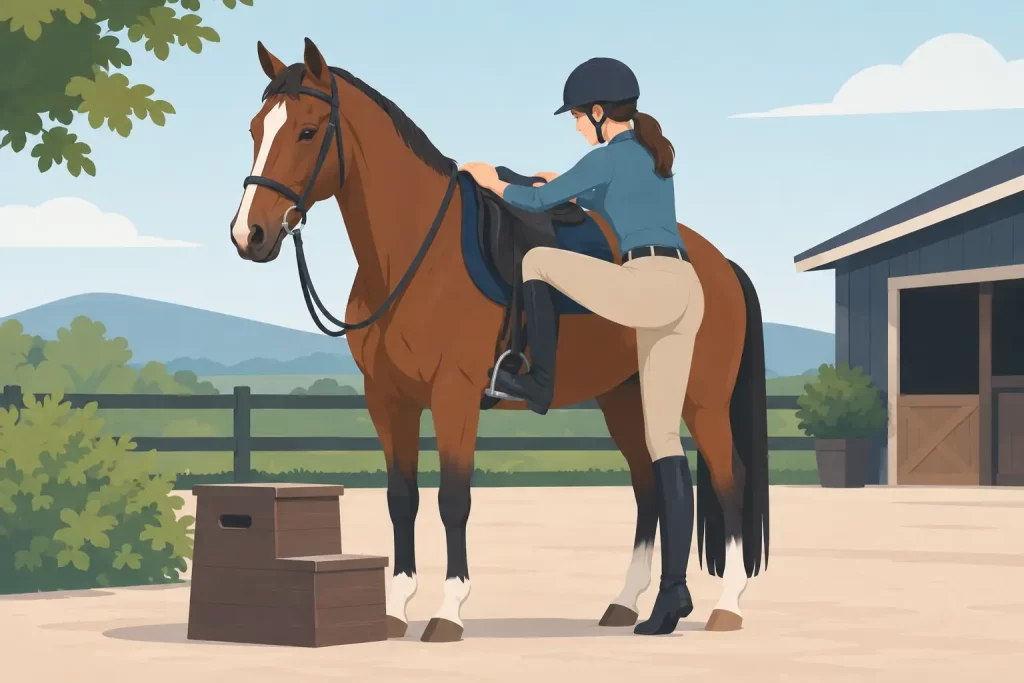
If your desert adventure includes horseback riding, safety is part personal preparation and part partnership. The horse is not a machine. It responds to the trail, your posture, your energy, and the guidance of the wrangler leading the experience.
That is why the best rides begin with a clear orientation. Listen closely when your wrangler explains how to sit, how to hold the reins, and how to stay balanced. Even if you have ridden before, every horse and every desert trail experience can be a little different. Confidence is good. Assuming you already know everything is not.
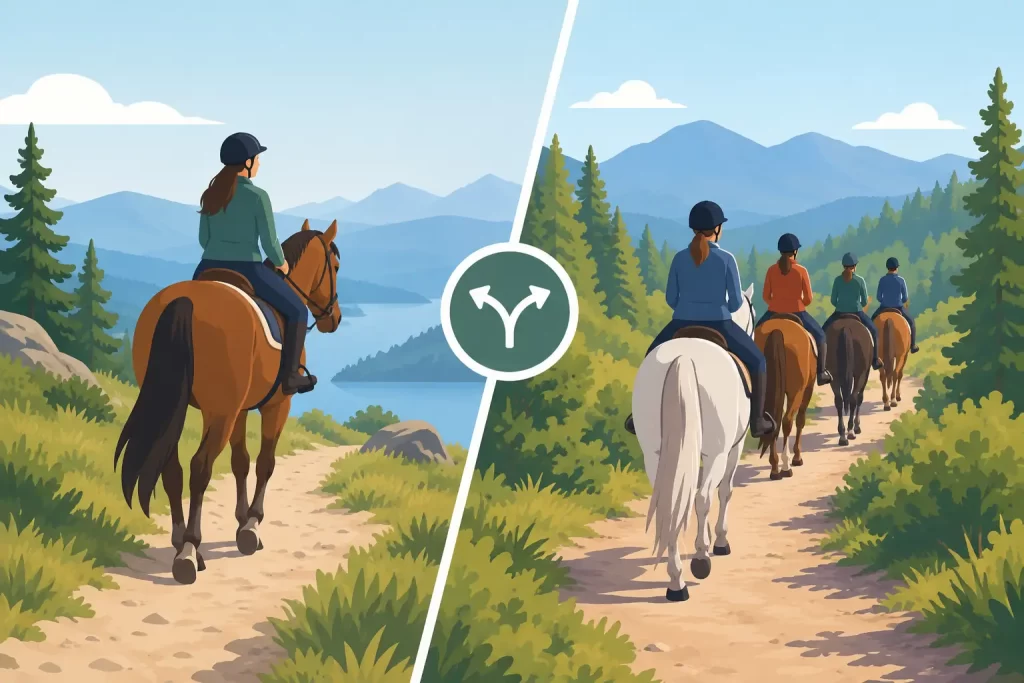
Spacing matters too. A quality guided ride should not feel rushed or rigid, but guests still need to respect the wrangler’s instructions about distance and pace. Giving horses room helps them move comfortably and reduces unnecessary tension on the trail. It also gives riders a better chance to relax, take in the landscape, and enjoy the experience for what it is.
For beginners and families, this is where a professionally guided outing makes such a difference. At places like KOLI Equestrian Center, trained horses and knowledgeable wranglers create an environment where guests can focus on the scenery, the story of the land, and the fun of being outdoors, while the team manages the details that keep the ride safe and welcoming.
Desert gear should be practical, not flashy
You do not need a truckload of equipment for a safe desert outing. You do need the right basics. Water, sun protection, proper footwear, and clothing suited to the weather will cover most situations better than trendy gear that looks good in photos but does little on the trail.
If you are bringing children, this becomes even more important. Kids can get distracted by excitement and may not notice thirst or sun exposure until they are already uncomfortable. Parents should check water, hats, and sunscreen before the activity starts, not halfway through it. The same goes for older adults, who may be more vulnerable to heat even if they feel fine at first.
There is also a trade-off with how much you carry. Too little preparation creates obvious problems, but too much can make you clumsy and uncomfortable. For a guided ride or short desert excursion, think light, secure, and useful.
Good judgment beats bravado every time
One of the most overlooked parts of desert safety is knowing when to scale back. Maybe the temperature is higher than expected. Maybe someone in your group did not sleep well, skipped lunch, or starts feeling uneasy around animals. Maybe a child is more tired than they let on. Adjusting plans is not failure. It is exactly how experienced people stay safe outdoors.
This matters because the desert rewards humility. A guest who listens, prepares, and respects the guide will usually have a much better experience than the person trying to prove they can handle anything. Adventure is still the point, but the best desert adventures are the ones you remember for the views, the connection, and the stories you bring home, not for the avoidable mistakes.
If you want one final rule to carry with you, make it this: slow down enough to notice the land. The desert has a rhythm of its own, and when you meet it with preparation and respect, the trail becomes not just safer, but richer too.