
Horseback Riding Weight Limits & Safety Guidelines Explained
Horseback Riding Weight Limits
Category: Rider Preparation & Safety
Topic: Rider Weight Limits & Safety FAQs
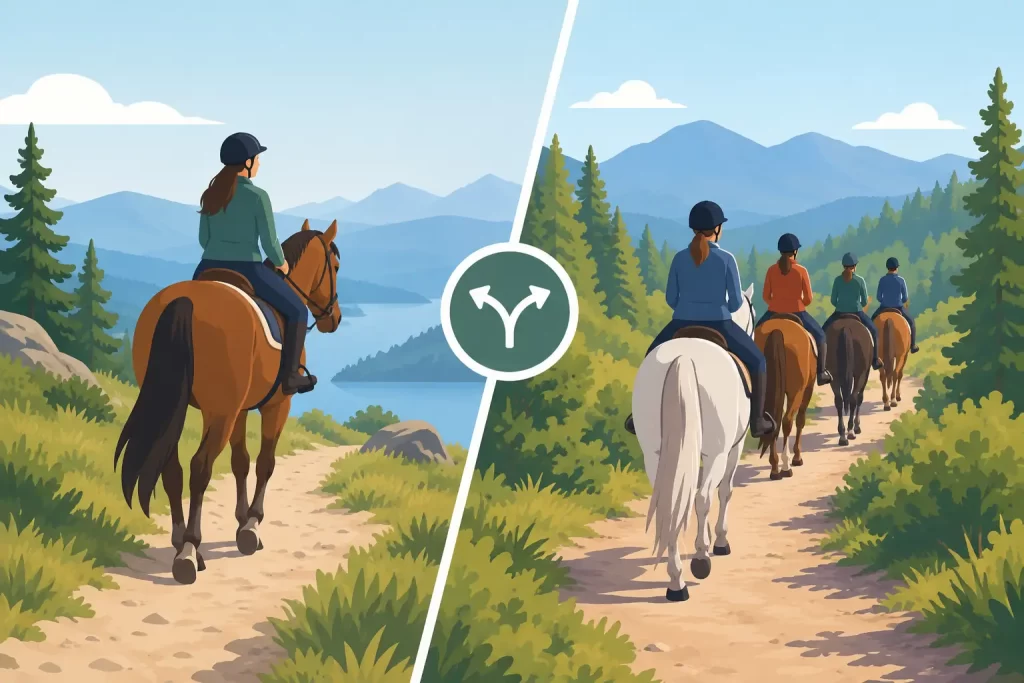
Preparing for a trail ride should be an exciting experience, yet first-time or larger riders often encounter hesitation or uncertainty regarding weight restrictions, physical requirements, and safety protocols. Understanding the reasoning behind equestrian safety guidelines helps ensure a comfortable, welcoming, and safe experience for both you and your horse.
Why Weight Limits & Matching Matter
Equestrian weight policies are strictly grounded in equine welfare, biomechanics, and rider safety.
Equine Welfare & Carrying Capacity
A horse safely carries a specific percentage of its total body weight—typically around 20%—which includes the weight of the rider plus Western or English tack (which can add 25 to 40 lbs). Beyond this threshold, excess weight over desert terrain, incline variations, and soft sand can cause:
- Spinal and Muscle Strain: Overloading compromises a horse’s back muscle engagement, leading to soreness or long-term fatigue.
- Loss of Balance: A balanced rider moves fluidly with the horse. When a horse carries weight beyond its ideal capacity, maintaining center-of-mass balance becomes difficult for both horse and rider.
- Joint Impact: Increased stress on hocks, knees, and hooves over uneven outdoor trails increases the risk of tripping or injury.
Matching Rider to Horse
At KOLI Equestrian Center, rider weight limits (set at 250 lbs) allow wranglers to properly match each guest with an appropriate horse based on height, weight, build, and riding experience. Providing accurate information during booking ensures that a suitable, rested horse is ready upon arrival, preventing delays or last-minute adjustments.
Essential Safety Guidelines for Every Rider
1. Attire & Footwear
Proper clothing prevents chafing and ensures foot security in the stirrups:
- Pants: Long pants or jeans are required (no shorts above the knee) to protect legs against saddle pinch and brush along trail paths.
- Footwear: Enclosed shoes with a hard sole and a small heel (no higher than 1 inch) are required. Sandals, flip-flops, Crocs, and high heels are not permitted. Fully enclosed barefoot-style shoes must have a complete hard rubber sole without exposed straps.
- Personal Belongings: Bags, backpacks, purses, and loose water bottles are prohibited on horseback. Cell phones must fit securely in a shirt pocket. Selfie sticks are not allowed as they can startle horses.
2. Helmet Usage
- Protective helmets are strongly recommended for all adult riders to protect against head injuries.
- Helmets are mandatory for all children participating in group events, school outings, and birthday parties.
3. Physical Health & Mounting Ability
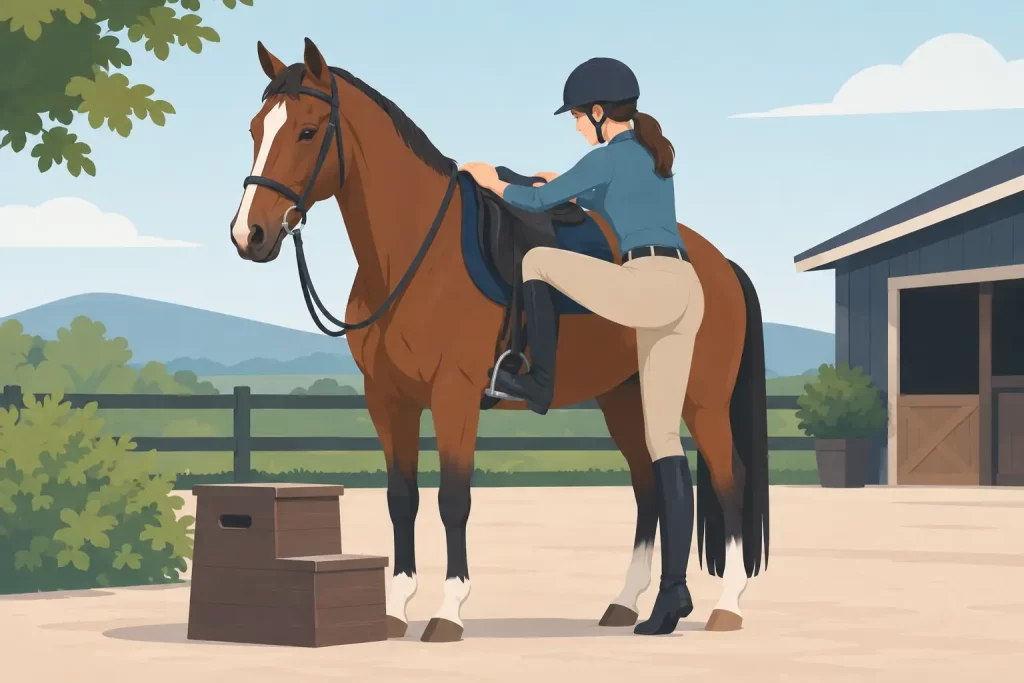
- Riders must be physically able to mount and dismount the horse with minimal assistance.
- Guests with recent neck, back, or hip injuries are advised against riding due to the repetitive motion of trail riding.
- For the health of mother and child, riding during pregnancy is not permitted.
4. Arizona Desert Readiness
- Hydration: Drink plenty of water the day prior and the morning of your ride. Avoid caffeinated or alcoholic beverages before riding, as desert conditions accelerate dehydration.
- Substance Policy: Zero tolerance for alcohol or substance impairment before or during the ride.
Frequently Asked Questions
What if I am near or at the weight limit?
Please note your accurate weight and height when placing your reservation. Informing staff in advance allows us to assign one of our larger, stronger trail horses suited to your frame.
Why is mounting ability important?
Mounting requires swinging your leg over the saddle while maintaining balance. Wranglers assist at the mounting block, but basic mobility ensures you can position yourself securely in the saddle.
Do beginners receive instruction before heading onto the trail?
Yes. Prior to departure, wranglers brief all riders on basic commands—stopping, steering, and keeping proper posture—ensuring you feel confident before taking your first steps on the trail.