
A Guide to Desert Horse Experiences
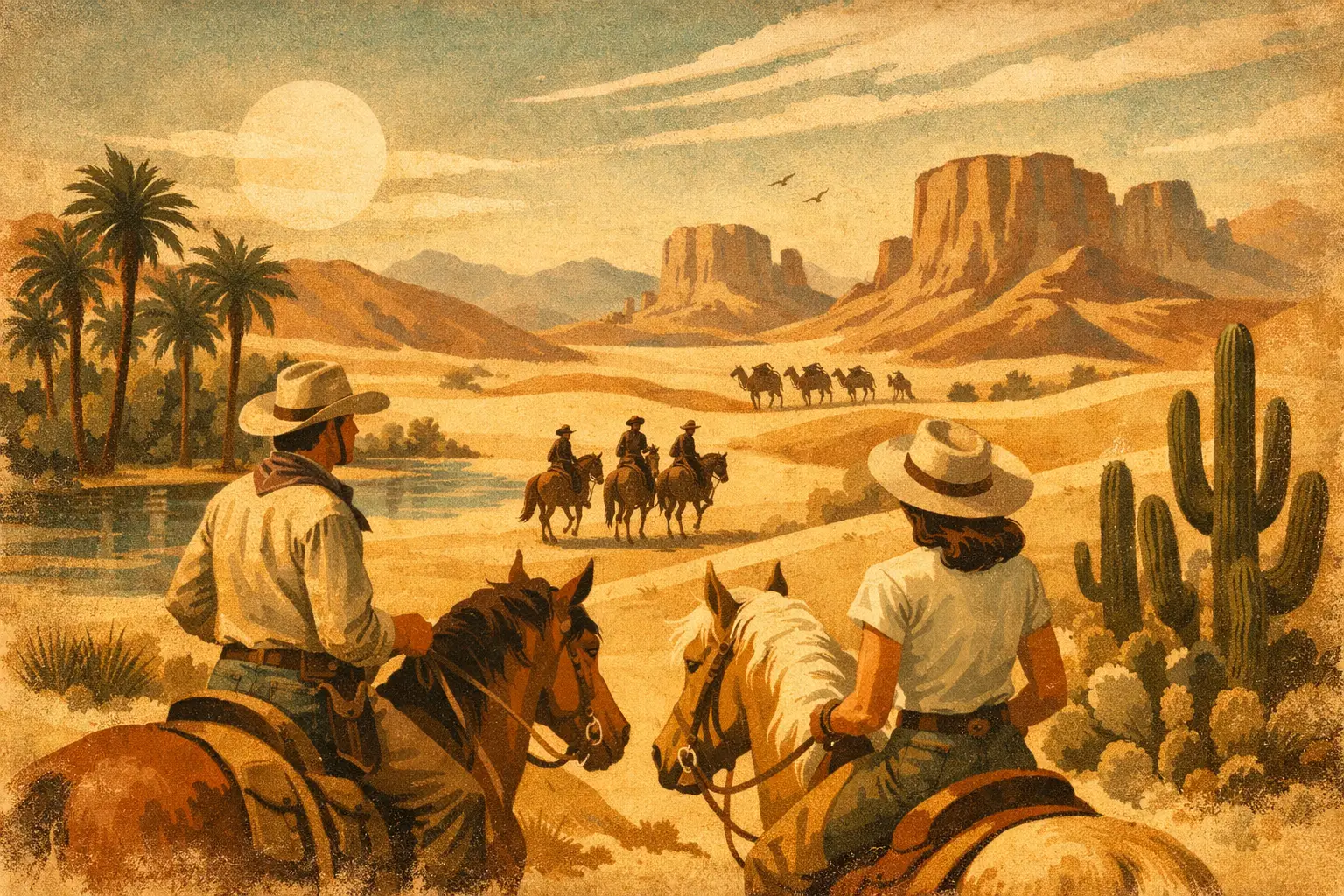
The first thing most people notice on a desert ride is the quiet. Not silence exactly, but a different kind of soundscape – hoofbeats in the dirt, a breeze through creosote, a wrangler pointing out the shape of the land or the story behind it. A good guide to desert horse experiences should prepare you for more than the ride itself. It should help you understand why the desert feels so memorable when you see it from the saddle.
Desert horseback riding is not just a scenic activity to check off a vacation list. At its best, it is part outdoor adventure, part cultural experience, and part reset. The pace lets you actually look around. You notice the light on the mountains, the space between riders, the character of your horse, and the way a knowledgeable guide can turn a patch of desert into a place with meaning.
What makes desert horse experiences different
Not every trail ride feels the same, and the desert has its own rhythm. The terrain, weather, and open views create an experience that is very different from riding through a forest or around a closed arena. In the desert, the landscape tends to feel wider and more exposed, which is part of the appeal. You are not just passing through nature. You are out in it, with room to breathe and time to take it in.
That also means comfort and planning matter more than people expect. Arizona sunshine can feel intense, even during months that seem mild on paper. Dust, dry air, and uneven ground are all part of the environment. The best operators account for that with well-matched horses, clear safety instruction, and guides who know how to read both the trail and the group.
A strong desert ride also should not feel overly mechanical. Some guests want a simple scenic outing. Others want conversation, local insight, or a more personal sense of connection to the land. The best experiences leave room for both. They are professionally run, but they still feel human.
How to use this guide to desert horse experiences
If you are choosing your first ride, start by asking what kind of day you actually want. Some people picture a peaceful hour outdoors with a partner or family member. Others want a celebratory group activity, a birthday outing, or a private experience that feels more personal. Those are not small differences. They shape what ride length, setting, and format will suit you best.
Skill level matters, but probably less than you think. Many desert horse experiences are built for beginners, and a good wrangler knows how to help first-time riders feel steady and welcome. What matters more is whether the ride is thoughtfully paced, whether the horses are well cared for, and whether the operator takes time to explain what to expect.
For experienced riders, the key question is not just whether riding is offered. It is whether the experience itself is worth your time. Scenic value, horse quality, group size, guide knowledge, and overall hospitality often make the difference between a basic outing and one you remember.
Choosing the right desert ride for your group
Couples usually want a ride that feels calm, scenic, and a little more private, even if it is part of a shared group. Families often need something beginner-friendly with clear age guidance and patient staff. Friend groups may care more about a social atmosphere and photo-worthy surroundings. Corporate and private event planners need reliability, organization, and an experience that works for mixed comfort levels.
This is where many people choose badly. They book based only on price or ride length, then realize the format does not match their group. A shorter ride can be perfect for young riders or visitors with packed schedules. A longer ride may feel more immersive, but only if everyone is comfortable in the saddle and prepared for the weather.
There is also value in choosing an operator that offers more than a standard head-to-tail format. When riders have a little space, the experience often feels more natural and less staged. Conversation flows more easily, photos look better, and the ride feels less like a conveyor belt.
What to wear and bring
Desert riding does not require a Western movie costume, but it does reward practical choices. Long pants are usually the most comfortable option. Closed-toe shoes are the standard. Lightweight layers help because desert temperatures can shift more than visitors expect, especially between morning and late afternoon.
Sun protection matters. That usually means sunscreen, sunglasses if allowed and comfortable, and a hat if the operator recommends one for the setting. Hydration matters just as much. Even on a mild day, the dry air can catch up with you faster than expected.
Try not to overpack. You want your hands free and your attention on the ride. If you are bringing a phone for photos, make sure it is secure and easy to manage. If you are bringing children, confirm any clothing or age-specific guidance before arrival so the check-in process stays simple.
What a well-run experience looks like
A quality desert horse experience begins before anyone mounts up. The arrival should feel organized, friendly, and calm. You should know where to check in, what waiver or briefing is needed, and how the staff will match riders to horses. Good operations do not rush this part because it sets the tone for everything that follows.
The horses themselves tell you a lot. They should look healthy, attentive, and handled with confidence. Guides should be clear without being intimidating. First-time riders should leave the safety talk feeling more relaxed, not more nervous.
During the ride, the best wranglers do more than lead. They read the group, answer questions, help riders settle in, and share insight about the terrain, wildlife, and local history. That personal interpretation is often what turns a pretty ride into a meaningful one.
For many guests, that cultural dimension is a big part of the experience. Riding through the Sonoran Desert is memorable on its own, but it becomes richer when the land is introduced with context and respect. That is one reason places like KOLI Equestrian Center stand out to guests who want more than a generic attraction.
Common concerns first-time riders have
Most beginners are worried about one of three things: whether the horse will be too big, whether they will know what to do, and whether they will slow everyone down. Those fears are normal. A beginner-friendly operation expects them.
You do not need to arrive with riding experience to have a great time. You need to listen, stay relaxed, and choose an operator that treats beginners as welcome guests rather than as a problem to manage. The right horse match and a clear pre-ride explanation do a lot of the work.
If you are nervous, say so. Good guides would rather know upfront and help you feel comfortable than have you try to push through quietly. Confidence on a ride often comes from trust, not bravado.
When to go and what to expect from the season
Desert riding can be enjoyable across much of the year, but the experience changes with the season. Cooler months tend to bring the most comfortable conditions and are often the easiest fit for families, visitors, and anyone hoping for a more leisurely outing. Warmer periods can still be beautiful, especially earlier in the day, but they require more attention to timing and hydration.
Lighting changes the feel of the ride too. Morning rides often feel crisp and peaceful. Late-day rides can bring softer colors and that classic Arizona glow. There is no universal best time. It depends on your schedule, your heat tolerance, and whether you want a quieter, gentler outing or a more dramatic desert backdrop.
Why the best rides stay with you
People usually book horseback riding for the scenery, but they remember it for the feeling. They remember the horse they connected with, the guide who made them laugh, the story they learned about the land, or the moment the whole group went quiet because the desert was doing all the talking.
That is what makes desert horse experiences worth choosing carefully. The right one feels easy while still being well run. It welcomes beginners without watering down the experience. It respects the landscape instead of using it as a backdrop. And it gives you a chance to slow down long enough to notice where you are.
If you are planning a ride, choose the one that feels thoughtful from the start. In the desert, the details shape the memory just as much as the view.