Authentic Western Desert Experiences That Feel Real
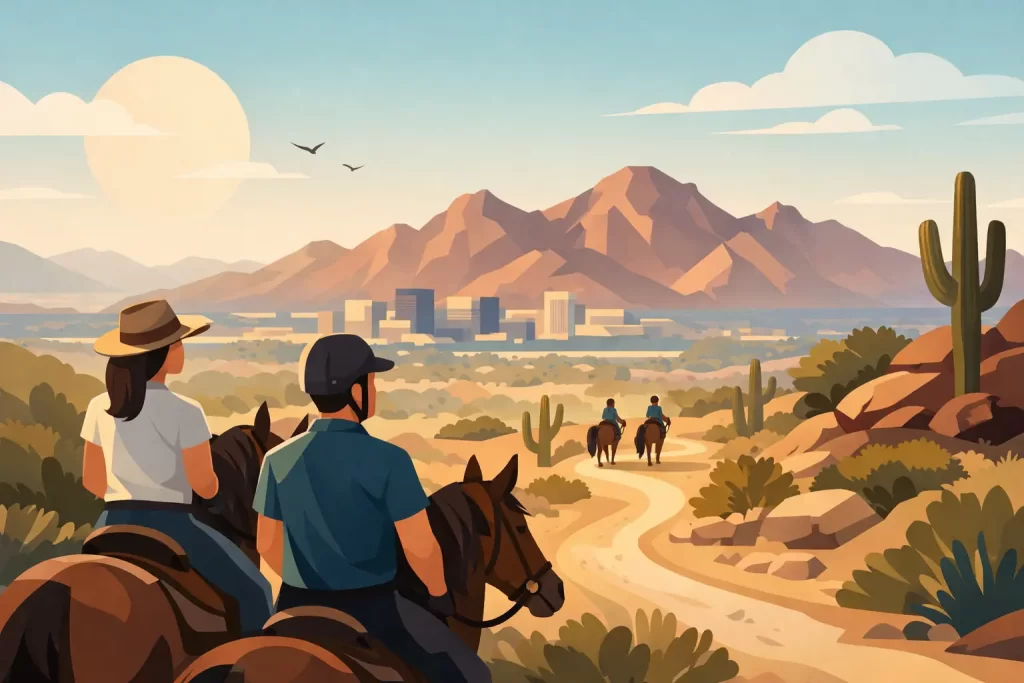
Sunrise in the Arizona desert has a way of sorting out what is real and what is staged. When the light hits the saguaros, the air still feels cool, and the only sounds are hoofbeats, birds, and a guide who actually knows the land, authentic western desert experiences stop feeling like a vacation add-on and start feeling like the part you remember most.
That difference matters more than many travelers expect. Plenty of outdoor activities promise a “Western” feel, but not all of them offer the same depth, comfort, or care. Some are built for speed and volume. Others are built for connection – to the horses, to the landscape, to the stories tied to the desert, and to the people you came with.
What makes authentic western desert experiences stand out
An authentic experience is not just about putting someone on a horse and pointing toward a trail. It is about how the day is guided, how the horses are cared for, how guests are welcomed, and whether the setting has a real sense of place. You can usually feel the difference right away.
The strongest western desert experiences are grounded in the landscape itself. The desert should not be treated like a backdrop for photos only. A good guide helps you notice what makes this environment special – the shape of the terrain, the rhythm of the ride, the plants that thrive here, the quiet stretches that make people slow down and look around.
Just as important, authenticity comes from people. Knowledgeable wranglers bring the experience to life because they do more than manage logistics. They help first-time riders feel comfortable, read the group, share local insight, and create a ride that feels personal instead of mechanical. If the guide treats every guest like a number, the outing will feel generic no matter how pretty the scenery is.
The desert feels different on horseback
There is a reason horseback riding remains one of the most memorable ways to experience the Southwest. A horse changes your pace. You stop rushing. You notice the space between landmarks. You become more aware of the terrain, the wind, and the way the desert opens up in every direction.
For beginners, that slower pace is often the surprise. Many people arrive a little nervous, especially if they have never ridden before. But a well-matched horse and a calm, clear introduction can turn uncertainty into confidence quickly. For experienced riders, the appeal is different. They often appreciate the setting, the quality of the horses, and the freedom that comes from a ride that does not feel overly rigid.
That is one of the biggest trade-offs in this category. Some guests want highly structured, tightly controlled movement because it feels predictable. Others want enough space to relax and enjoy the moment with their group. The best operators know how to balance safety with comfort so the ride still feels natural.
Real Western hospitality is part of the experience
People often focus on the ride itself, but hospitality shapes the memory. Authentic Western hospitality is warm without feeling forced. It means your questions are answered clearly, the staff is genuinely welcoming, and the experience feels thoughtfully run from arrival to finish.
That can show up in small ways – patient check-in, clear safety guidance, wranglers who remember a child’s name, or staff who know how to put a nervous guest at ease without making a big production out of it. It also shows up in larger ways, like clean facilities, organized booking, and horses that are presented with obvious care and professionalism.
A lot of families and couples are not looking for a rough-edged adventure just because it is in the desert. They want something memorable, yes, but they also want to feel well taken care of. Authentic does not have to mean uncomfortable. In fact, the most impressive desert outings usually combine real character with strong operations behind the scenes.
Culture is not a prop
This is where many experiences either gain depth or lose credibility. In the Southwest, land and culture are connected. If an outing claims to offer something meaningful, cultural interpretation should be respectful, informed, and rooted in the place rather than added as decoration.
When guides share the story of the land in a grounded way, guests leave with more than photos. They understand where they are. They understand that the desert is not empty space. It carries history, tradition, and ways of seeing the land that deserve respect.
For travelers looking for something beyond a standard activity, this can be the difference between a pleasant afternoon and a genuinely memorable one. A ride that includes cultural context feels fuller. It gives people something to talk about long after the dust is gone from their boots.
How to tell if a desert experience is truly authentic
The easiest way is to look past the marketing language and ask what the day will actually feel like. Will you be guided by people who know the region well? Are the horses calm, healthy, and suited for different rider levels? Does the experience allow for connection and scenery, or is it designed to move large groups through as fast as possible?
It also helps to consider whether the outing welcomes different kinds of guests. Authenticity is not about excluding beginners. A genuinely strong operator can make first-time riders, families with children, couples, and group outings all feel comfortable without flattening the experience into something generic.
If you are planning for a celebration or group event, this matters even more. Birthday rides, private outings, and corporate gatherings need more than scenic views. They need a team that can host well, communicate clearly, and create an atmosphere that feels special instead of standardized.
Why location changes the whole experience
Not every desert setting creates the same feeling. Some areas are busier, more developed, or closer to traffic and neighborhoods. Others feel more open and immersive. If your goal is to step out of the city mindset for a while, location matters.
In the Greater Phoenix area, many visitors want something that feels accessible without feeling crowded. That is why guided riding near Chandler and the surrounding desert has such strong appeal. You do not have to travel deep into remote country to find wide skies, quiet trails, and a sense of space. You just need an experience built around the land instead of around throughput.
That said, the right location depends on the group. Families with younger kids may value convenience and a shorter outing. Couples may want a more private or scenic ride. Event planners may care most about group flow and guest comfort. Authenticity is not one-size-fits-all. The best match depends on why you are booking in the first place.
The best memories usually come from the details
People rarely talk about an outing later by saying the paperwork was efficient or the process was smooth, even though those things matter. They talk about the horse that matched their energy. They talk about the guide who made them laugh. They talk about the stillness of the desert at a certain hour and the feeling that they had stepped into something more personal than a standard attraction.
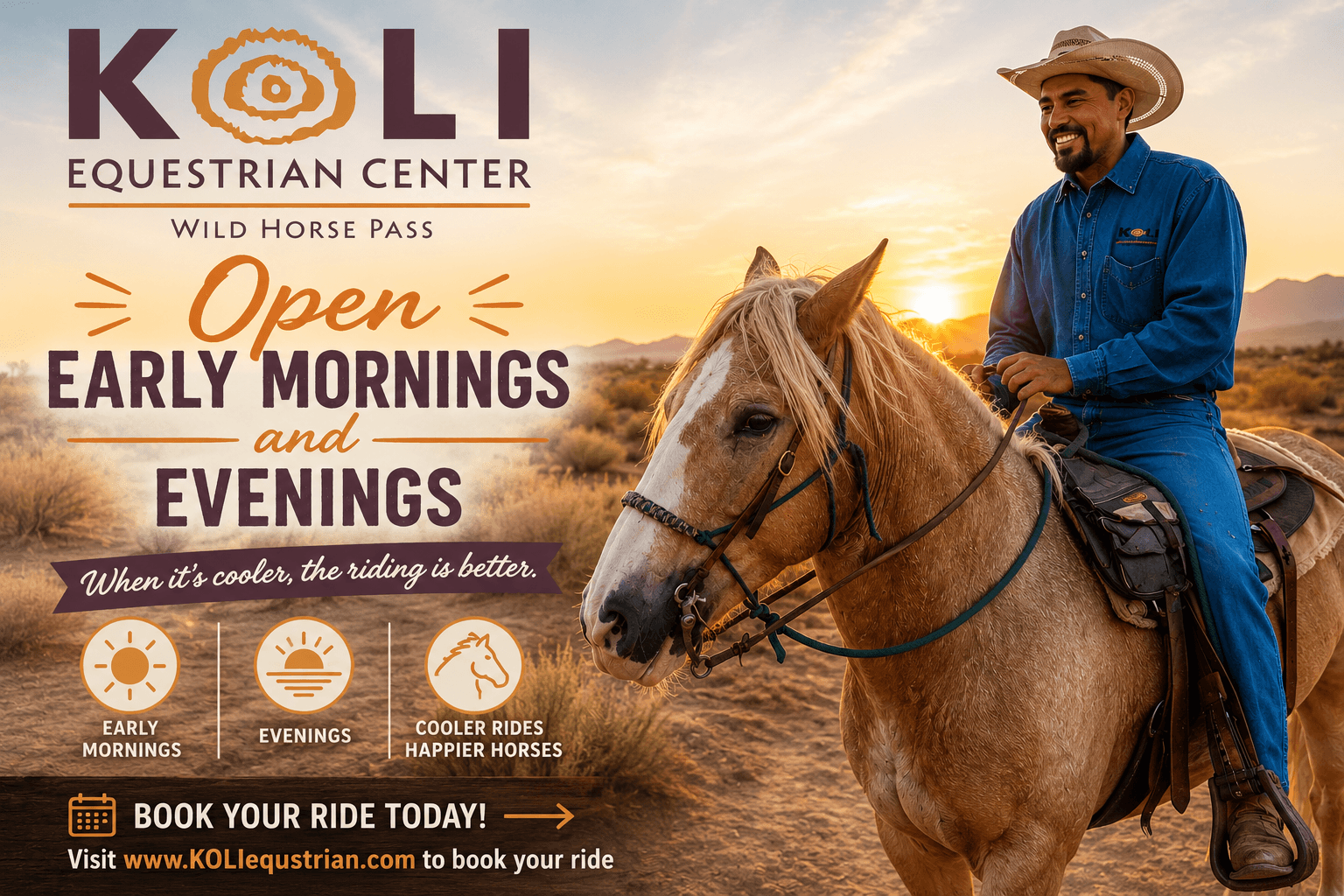
That is why experience-led operators stand out. At KOLI Equestrian Center, for example, the focus is not only on riding but on creating a desert experience that feels welcoming, safe, and rooted in local heritage. That approach tends to resonate with guests who want more than a checklist activity.
When people say they want an authentic western desert experience, what they usually mean is simple. They want the scenery to be real, the hospitality to be genuine, the horses to be cared for, and the time to feel well spent. They want to leave feeling like they actually experienced the desert, not just passed through it.
If that is what you are looking for, choose the place that treats the ride as more than transportation. Choose the one that respects the land, takes care of its guests, and gives you room to enjoy the desert the way it is meant to be felt.