
Corporate Events Trends That Bring Teams Together
The strongest corporate events trends are not about adding more to an agenda. They are about giving people a reason to look up from their screens, talk to someone outside their usual department, and leave with a shared memory that feels real. For teams gathering in Arizona, that can mean stepping beyond the ballroom and into the desert, where a guided experience creates space for conversation, curiosity, and connection.
A successful company event still needs thoughtful planning, clear timing, great hospitality, and attention to safety. What has changed is the expectation. Guests want an experience with a sense of place, not another generic activity that could happen in any city.
Corporate Events Trends Are Becoming More Human
For years, many corporate gatherings followed a familiar formula: meeting room, presentation, catered meal, and a short activity squeezed between sessions. That format has its place, especially for trainings or formal business announcements. But when the goal is morale, relationship-building, or appreciation, planners are increasingly choosing experiences that invite people to participate rather than simply attend.
The reason is simple. A meaningful activity gives colleagues something natural to talk about. A first-time rider may share a laugh with a senior leader. A remote employee may finally meet the person they collaborate with every week. On a guided outdoor outing, titles matter less than the moment everyone is having together.
This does not mean every event needs to be physically demanding or far from town. The best experiences are designed for the actual group in front of you. They make room for beginners, varying comfort levels, dietary needs, mobility considerations, and the different personalities that make up a team.
Outdoor Experiences Are Replacing Generic Team Building
The outdoor shift is one of the clearest corporate event trends because it answers a problem many planners know well: people are tired of forced fun. An activity becomes more welcoming when it has a genuine purpose beyond competition or icebreakers.
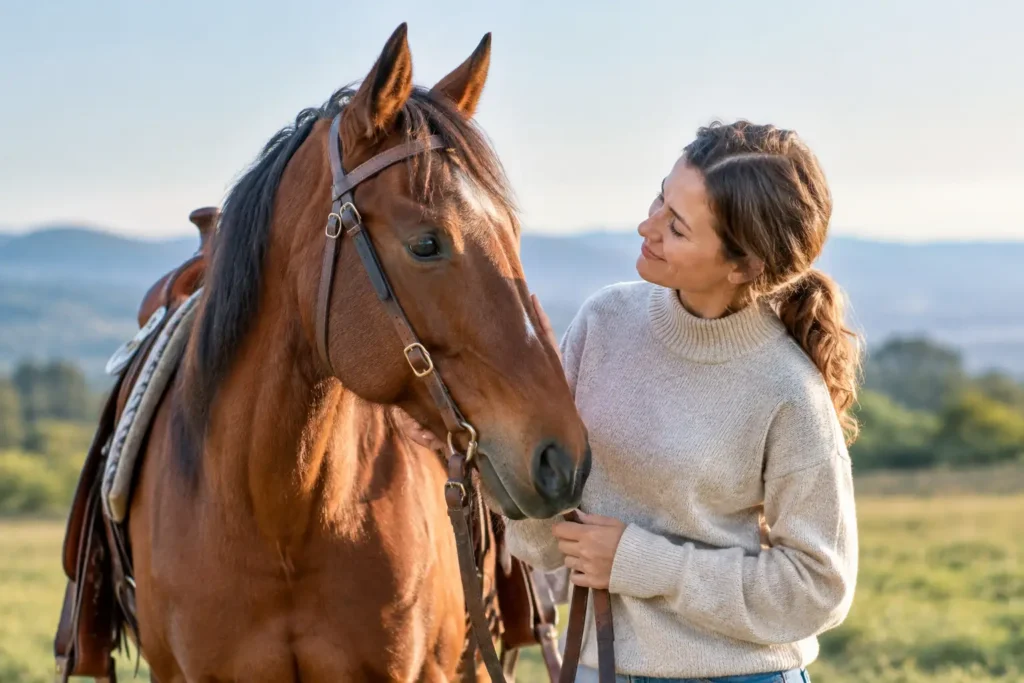
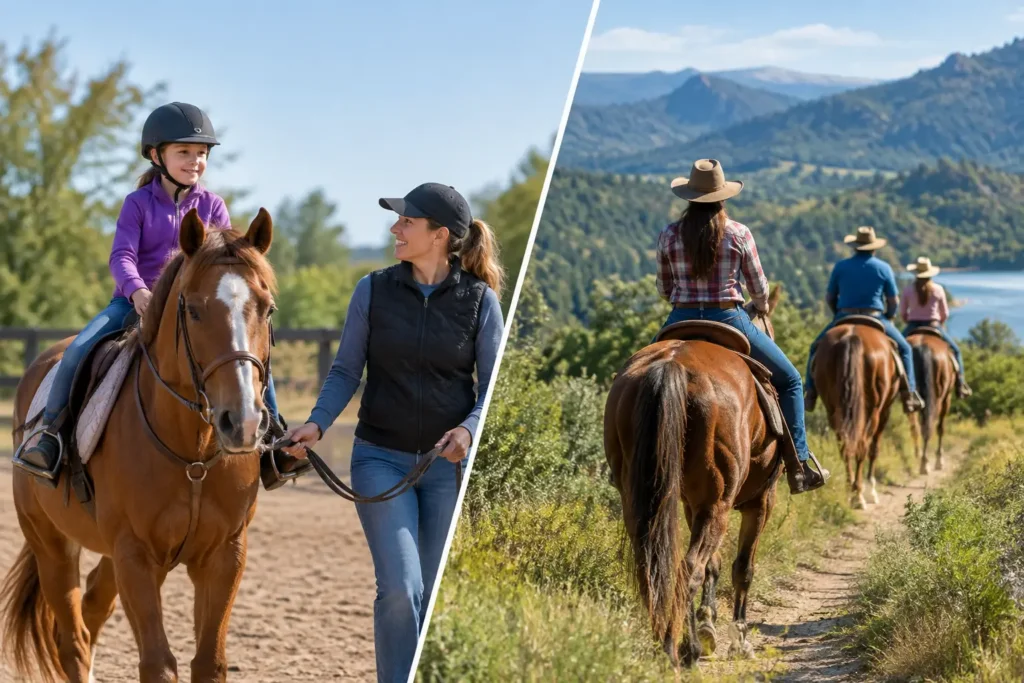
A desert horseback ride, for example, asks guests to slow down, listen to their guide, and enjoy the landscape together. It offers just enough adventure to feel special while still being approachable for people who have never been near a horse. With well-cared-for horses, knowledgeable wranglers, and a safety-first approach, a guided ride can bring a group out of its routines without making anyone feel left behind.
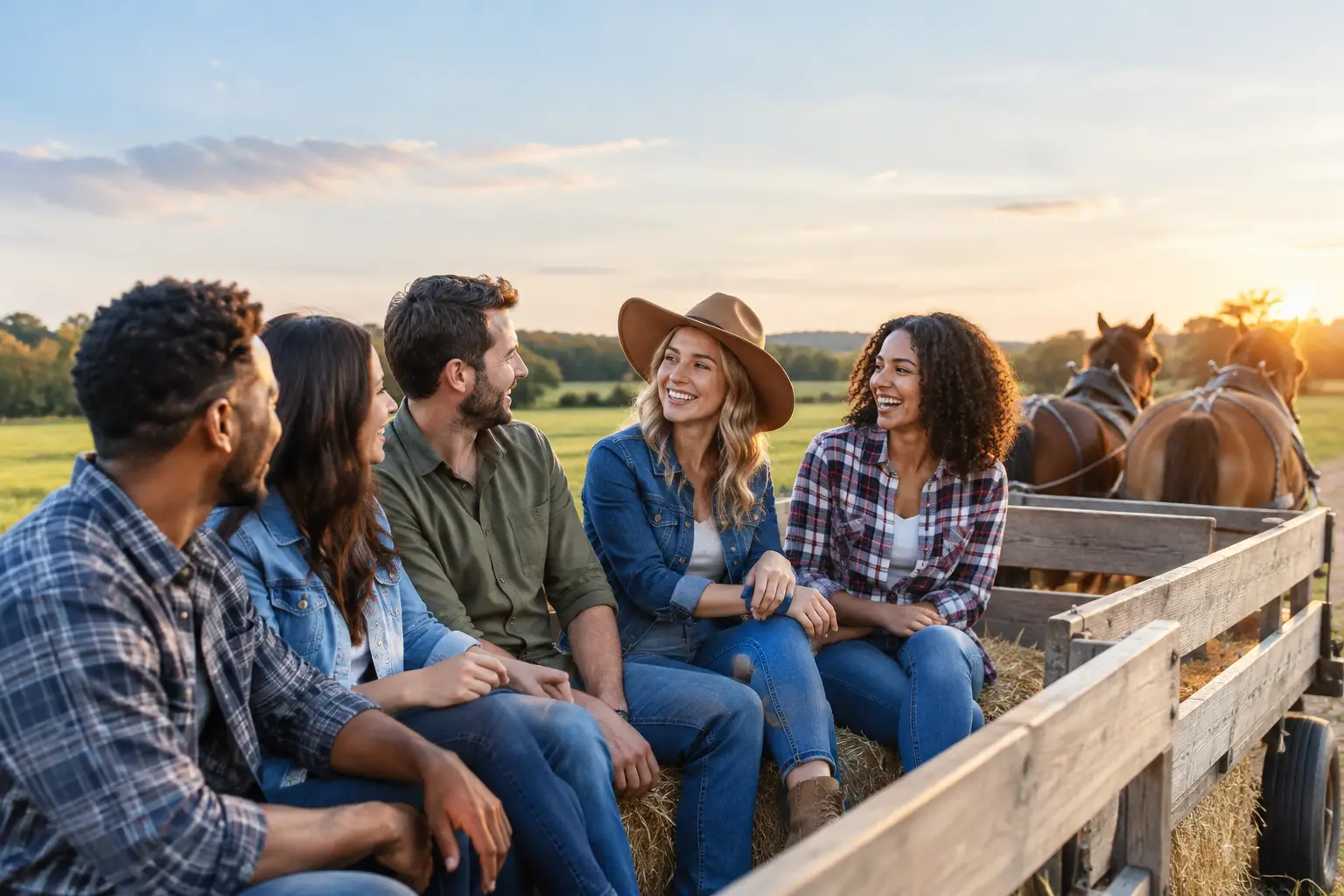
Wagon experiences offer another option for groups that want the scenery, storytelling, and shared atmosphere of the desert with a more relaxed format. They can work especially well for multigenerational groups, client gatherings, appreciation events, and teams with a wide range of comfort levels. The right choice depends on the group, the event goals, and how much time guests have available.
The setting matters, but so does the pace. When people are not rushing from one scheduled obligation to the next, conversation has time to develop. That is often where the real value of a company outing appears.
Connection works better when it is not scripted
There is nothing wrong with a thoughtful prompt or a short welcome from leadership. Still, the best group moments are rarely overplanned. They happen when someone spots a distant mountain ridge, asks a wrangler about a horse, or shares a story while waiting for the group to gather.
That is why experiential events tend to stay with people. They do not ask employees to perform enthusiasm. They give them a place where enthusiasm can happen naturally.
Place-Based Storytelling Adds Meaning
Another major shift is the move toward local experiences with real cultural and environmental context. Visitors and local teams alike want to understand where they are, not just take a photo in front of it.
In the Sonoran Desert, the land carries stories that deserve to be shared with respect. A well-led experience can introduce guests to the landscape, regional history, and the relationship between people, horses, and place. The goal is not to turn culture into a backdrop for a party. It is to help guests feel more present and appreciative of the setting they are fortunate to visit.
For event planners, this is a meaningful distinction. A venue can be beautiful, but an experience becomes memorable when knowledgeable hosts explain what guests are seeing and why it matters. KOLI Equestrian Center brings that kind of local perspective to guided group experiences on the Gila River Indian Reservation, with wranglers who help guests connect with the land in a welcoming, professional setting.
Cultural grounding also calls for care. Planners should choose partners who treat local heritage thoughtfully, communicate clearly about the experience, and avoid making broad assumptions about what every guest wants to learn. Authenticity is built through respect, not decoration.
Flexible Formats Matter More Than One Big Event
Not every company gathering needs to place all guests in a single activity at the same time. In fact, smaller rotations can make an event feel more personal and manageable. One group might enjoy a guided ride while another takes part in a wagon experience, enjoys refreshments, or spends time in a shaded gathering area before switching.
This format can be especially useful for larger teams and client events. It creates breathing room, avoids a crowded feeling, and lets guests choose an experience that suits them. It also helps planners account for different arrival times and comfort levels without making those differences feel like obstacles.
A flexible event plan can include a welcome period, a guided activity, time for food and conversation, and a simple close that thanks guests for being part of the day. The details should fit the purpose. A leadership retreat may need more unstructured discussion time, while a holiday gathering may lean into celebration and relaxed hospitality.
Wellness Means More Than a Quiet Room
Corporate wellness has expanded beyond office-based perks. Teams increasingly value time outside, lighter schedules, and opportunities to reset away from daily demands. A few hours in a desert setting will not solve every workplace challenge, but it can create a welcome pause.
Outdoor activities are most effective when they are presented as an invitation, not an obligation. Give guests clear information before they arrive: what to wear, how long the activity lasts, who it is suited for, and what support will be available. First-time riders are often excited once they understand what to expect, while experienced riders appreciate knowing that the experience is guided with care.
Safety supports the fun. Experienced staff, well-matched horses, clear instructions, and a pace designed for the group allow guests to focus on the experience instead of worrying about what comes next. That confidence is essential for any corporate outing.
Shareable Moments Still Need to Feel Genuine
Photos and short videos remain part of corporate events, especially when teams want content for internal newsletters, recruiting, or social channels. But the most effective shareable moments are not manufactured with oversized props or constant camera direction. They come from a beautiful setting, a happy group, and an activity worth remembering.
A desert trail, a wagon gathering, Western-inspired hospitality, and a group enjoying time together can create plenty of natural photo opportunities. Ask the experience provider about group photo timing before the event so it does not interrupt safety instructions or the flow of the activity. A little coordination goes a long way.
It also helps to remember that not every guest wants to be featured online. Offer a clear, easy way for people to opt out of photos, and keep the focus on their comfort. Respectful event planning builds trust long after the pictures are posted.
How to Choose a Corporate Experience That Fits
The right event starts with an honest answer to one question: what should guests feel when they leave? Energized, appreciated, connected, welcomed, or inspired are all valid goals. Once that is clear, the practical choices become easier.
Consider the group size, time of year, transportation needs, physical accessibility, budget, food and beverage plans, and the mix of employees, clients, or family members attending. In Arizona, timing is particularly important. Cooler morning and later-afternoon options can make an outdoor gathering more comfortable, while shade, water, and clear arrival information help guests feel cared for from the start.
Also ask providers how they manage groups, communicate safety expectations, and adapt to weather or changing schedules. A memorable event should feel easy for guests because the details were handled carefully behind the scenes.
The best corporate gathering is not necessarily the loudest or most elaborate. It is the one that gives people a genuine welcome, a fresh perspective, and a story they will still be telling when they are back at work.