
How to Choose a Child Riding Experience Safely
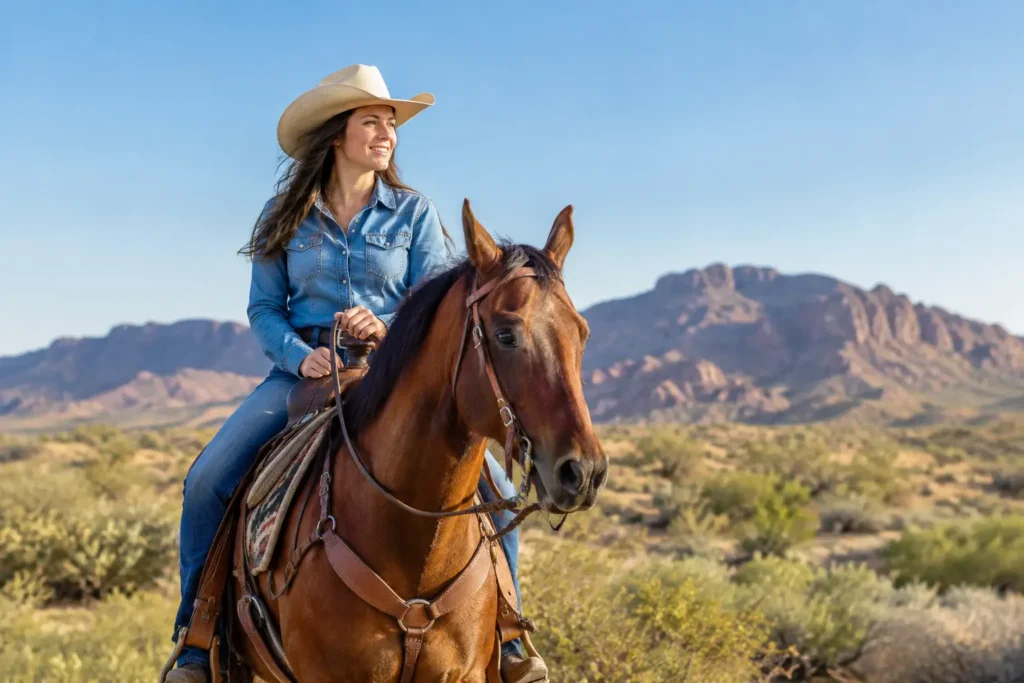
A child’s first time near a horse can become the story they tell for years: the warm breath against a small hand, the quiet confidence of sitting in the saddle, the desert stretching out ahead. To choose child riding experience options well, look beyond a cute photo opportunity. The right outing helps your child feel safe, seen, and genuinely excited to connect with a remarkable animal.
For many families, the best experience is not the longest ride or the most elaborate package. It is the one matched to your child’s age, comfort level, attention span, and sense of adventure. A thoughtful stable will welcome those questions and help you make a choice that feels good before your boots ever touch the ground.
Choose a Child Riding Experience by Comfort Level
Start with your child, not the calendar. Some children are eager to meet a horse and ask a hundred questions before arriving. Others are interested but nervous about an animal that is much larger than they are. Both reactions are completely normal, and neither means a child is or is not ready.
For a first-time rider, a shorter, closely guided experience is often the wiser choice. It gives them enough time to settle into the saddle, learn how the horse responds, and enjoy the scenery without becoming tired or overwhelmed. If the experience goes beautifully, they will be excited to return. If they need more time, they leave with a positive first impression rather than a difficult memory.
Older children who are comfortable around animals may enjoy a longer trail experience, especially when it includes stories about the desert, local heritage, and the horses themselves. Still, confidence is not the same as readiness. A child who loves animals from a distance may need a gentle introduction up close. Let their behavior around the horse guide the decision.
Ask the riding provider whether it has age, height, or weight guidelines and why those guidelines exist. They are there to protect both young guests and horses. A professional team will be clear about its requirements rather than making promises that do not fit the child.
A child’s interest matters more than pressure
Avoid treating horseback riding as something a child has to prove they can do. Excitement may look loud and energetic, or it may look quiet and observant. Give your child permission to ask questions, take a moment before mounting, or simply enjoy meeting the horse if they decide riding is not for them that day.
The goal is confidence built at the child’s pace. That confidence often carries far beyond the trail.
Look for Horses Chosen for Young Guests
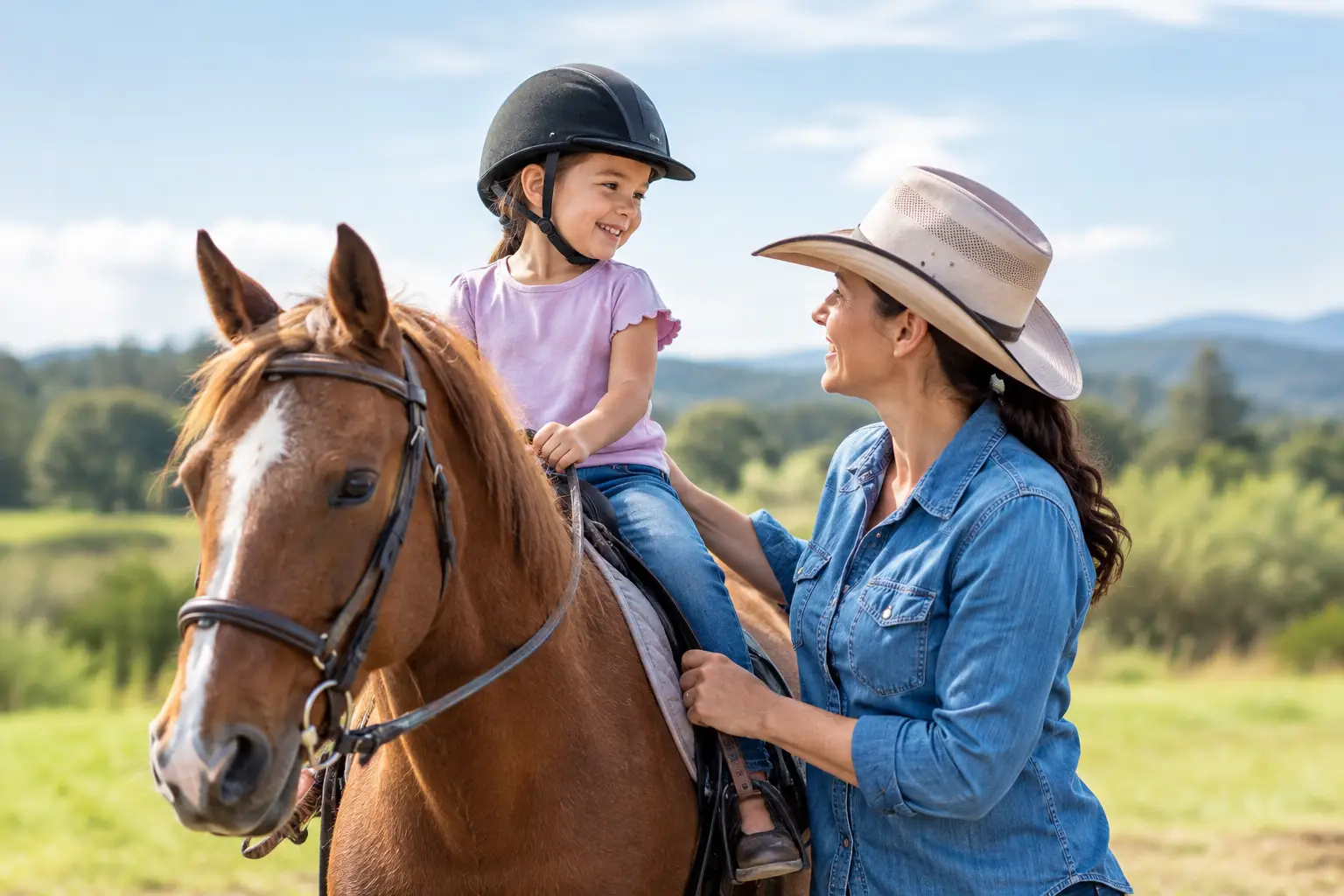
The right horse makes a major difference in a child’s riding experience. Children need a horse with a calm, dependable temperament and a history of working patiently with beginners. Size matters, but it is not the only consideration. A smaller horse is not automatically the best fit, and a larger, steady horse may be a better match for some riders.
Pay attention to the overall care you see when you arrive. Horses should appear alert, clean, and comfortably fitted with tack. The staff should speak about them with knowledge and respect, not as interchangeable equipment. A well-cared-for horse is a foundation of a better guest experience.
It is also fair to ask how horses are matched with riders. The best match considers the child’s size, experience, comfort, and personality. A careful guide may adjust the plan after meeting your family in person. That is not inconvenience. It is good judgment.
Put Wranglers and Safety Practices First
A memorable family ride should feel relaxed because the preparation is serious. Before booking, find out who will guide the experience and how the team supports young riders. Experienced wranglers do more than lead the group. They help children understand basic expectations, watch body language, offer calm encouragement, and make decisions that keep the outing appropriate for the group.
A strong safety briefing should be clear enough for children to understand. Kids should know how to approach a horse, where to keep their hands, how to sit in the saddle, and why listening to the wrangler matters. The language does not need to frighten them. In fact, simple directions delivered warmly can turn nervousness into focus.
Helmet policies vary by provider, age, and experience type, so ask before you arrive. If helmets are available or required, frame them as part of the adventure, just like boots or a hat. Closed-toe shoes, comfortable pants, sun protection, and water are practical essentials for Arizona outings.
Parents should also ask how the group is managed. Are young riders positioned where guides can easily support them? Is there a plan if a child becomes uncomfortable? Are guests given room to enjoy the ride while remaining within the wrangler’s supervision? A good operation can answer these questions directly.
Choose the Setting, Not Just the Saddle Time
A child’s experience includes everything surrounding the ride. The welcome at check-in, the chance to meet the horse, the guide’s stories, the views, and the ride back all shape what they remember. For families visiting the Phoenix area, desert scenery can make the outing feel like a true Arizona adventure rather than a standard activity.
Consider what kind of atmosphere your child will enjoy. Some families want a peaceful outdoor experience with time to take in the landscape. Others want a birthday activity or group occasion where riding is part of a bigger celebration. Private options can be a strong choice for children who need extra attention or who may feel more comfortable without a large group nearby.
Cultural interpretation can add real meaning when it is presented respectfully by people who know the land and its history. At KOLI Equestrian Center, guided experiences on the Gila River Indian reservation can pair horseback riding with stories that help guests understand the surrounding landscape and Native American heritage. For a curious child, that turns a fun outing into a deeper memory.
The setting also affects comfort. Ask about shade, weather expectations, restroom access, arrival timing, and the length of time you will be outdoors. Desert heat can change quickly, and younger children often do better when families plan around the coolest available part of the day.
Know What First-Time Riders Actually Need
First-time riders do not need an adult-level lesson delivered all at once. They need a few understandable instructions, a patient guide, and enough space to feel the rhythm of being on a horse. Too much information can make a child tense. Too little guidance can leave them uncertain.
The best experiences balance structure and wonder. Children should understand that horses are living animals with feelings and boundaries. They should also have room to enjoy the magic of the moment: brushing a mane, listening for hoofbeats, spotting desert plants, or sharing a proud smile with their family.
If your child has sensory sensitivities, anxiety, mobility considerations, or a strong fear of animals, call before booking. Describe what helps them feel comfortable and ask what accommodations may be possible. Honest communication lets the team recommend the most suitable option. It may mean selecting a shorter outing, choosing a quieter time, or starting with a horse introduction rather than committing to a longer ride.
Make the Day Feel Easy for Everyone
A well-planned arrival helps children begin calmly. Aim to get there early enough for waivers, restroom breaks, sunscreen, and questions without rushing. Children notice when adults are stressed, so leave room for the unexpected.
Before the visit, explain the basics in positive, realistic terms. Tell your child that the horse will be large, that the guide will show them what to do, and that they can speak up if they feel worried. Avoid promising that nothing will feel new or challenging. Instead, remind them that new experiences can feel big at first and that they will have support.
Afterward, give the experience space to land. Ask what surprised them, what they liked about their horse, and whether they would want to ride again. Their answer may be an enthusiastic yes, a thoughtful maybe, or a proud story about being brave. Every one of those responses is valuable.
The right child riding experience does more than fill an afternoon. It gives a young guest a safe introduction to horses, the outdoors, and their own growing confidence – one careful, welcoming moment at a time.