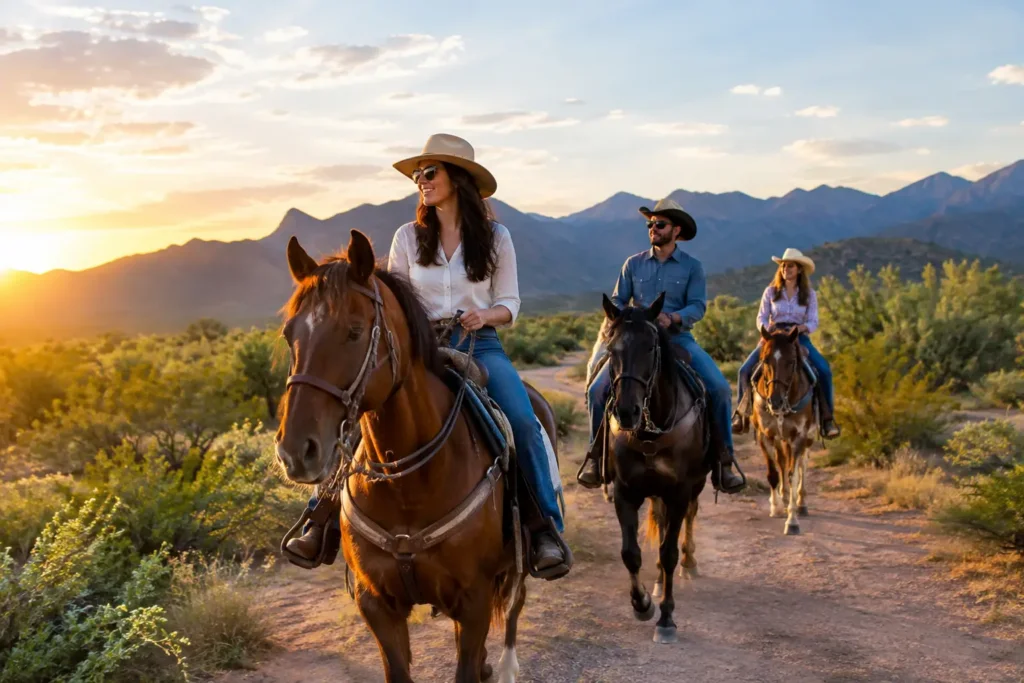

Horse Riding Safety for a Better Desert Ride
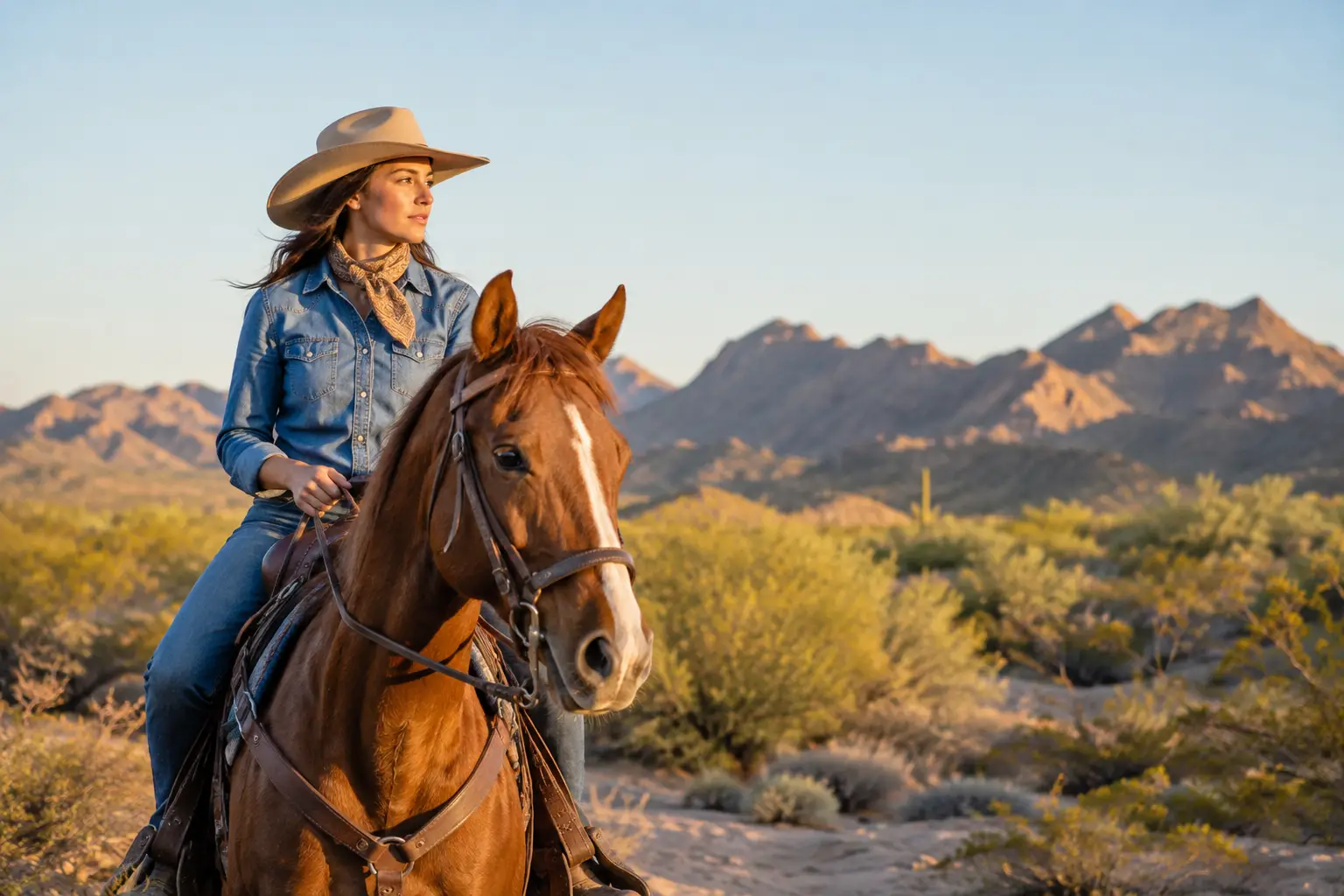
The desert feels different from the back of a horse. You notice the quiet between the hoofbeats, the shape of the mountains on the horizon, and details on the trail that are easy to miss from a car. Horse riding safety is what makes that kind of experience feel exciting without feeling uncertain – especially for first-time riders, families, and groups sharing a memorable day outdoors.
A great guided ride is not about proving how fearless you are. It is about arriving prepared, listening to your wrangler, and letting a well-matched horse do the work it has been trained to do. The best adventures leave room for laughter, photos, stories about the land, and the confidence to enjoy every mile.
Horse Riding Safety Begins Before You Mount
Your safest ride starts well before your boot reaches the stirrup. Choose an established operation that puts care into its horses, its guides, and its instructions. A well-managed experience should not rush guests through check-in or treat questions as an inconvenience. Clear expectations are part of good hospitality.
At KOLI Equestrian Center, riders are paired with horses based on factors such as experience, comfort level, and the nature of the ride. That match matters. A first-time guest does not need the same horse or the same coaching as someone who has spent years around horses. Be honest when staff ask about your background. There is no prize for overstating your experience, and there is nothing embarrassing about being new to riding.
Take the waiver and safety briefing seriously. They are not just paperwork and formalities. The briefing gives you the information that applies to the specific horses, terrain, weather, and group you will encounter that day. If anything is unclear, ask before the ride begins. A good wrangler would rather answer one extra question at the barn than address confusion on the trail.
Dress for the saddle and the desert
Closed-toe shoes with a defined heel are the right choice for horseback riding. The heel helps prevent a foot from sliding too far through the stirrup, while a secure shoe protects toes around horses and uneven ground. Sandals, loose slip-on shoes, and high heels belong somewhere else.
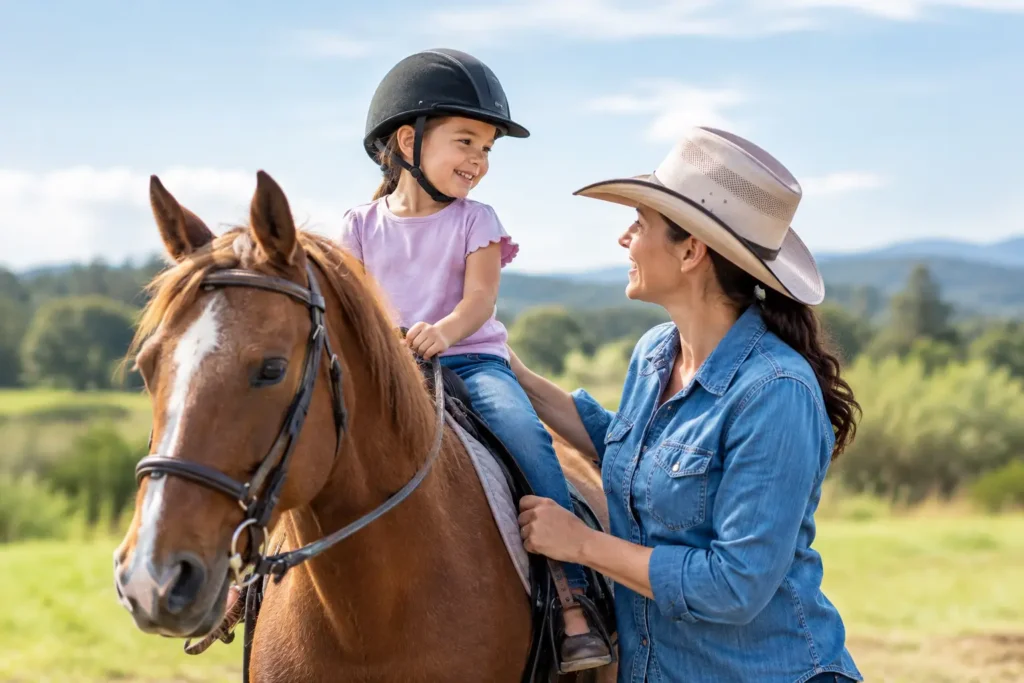
Wear comfortable pants that allow you to sit easily in the saddle. Long pants help protect your legs from brush and saddle rub. In Arizona, sun protection is equally practical: sunscreen, sunglasses that fit securely, and a hat for time before and after the ride can make a big difference. A helmet is a smart option for riders of any age and experience level. For children and anyone who feels more comfortable with one, it is an especially sensible choice.
Dress for the actual conditions, not just the temperature in town. Desert mornings can be cool, afternoons can be hot, and weather changes fast during certain seasons. Bring water, but use a container that can be carried safely as directed by your guide. Avoid bringing loose items that may drop, swing, or distract your horse.
Listen to Your Horse and Your Wrangler
Horses are perceptive animals. They notice sudden movement, unfamiliar sounds, body tension, and changes around them. That does not make them unpredictable. It means riders should communicate calmly and give horses the same respect they expect in return.
Approach only when invited, and follow the wrangler’s directions for where to stand. Horses have blind spots directly in front of and behind their bodies, so give them space. Speak in a normal, calm voice rather than shouting, and avoid quick movements near their faces. If you need to pass behind a horse, ask a staff member how to do so safely.
Once mounted, keep your hands quiet on the reins and your body centered in the saddle. Try not to grip tightly with your knees or pull continuously on the reins. Tension can travel from rider to horse. A relaxed posture, soft hands, and attention to your guide’s cues will help your horse understand what you are asking.
Your wrangler is more than a trail leader. They are watching the group, reading horse behavior, monitoring conditions, and making decisions that protect the experience for everyone. If they ask riders to slow down, create more space, wait for instructions, or avoid a certain area, respond promptly. It may feel like a small request, but group riding works best when everyone moves with the same shared awareness.
Give Every Horse the Space It Needs
One of the simplest rules of horseback riding is also one of the most useful: do not crowd the horse in front of you. Maintain the spacing recommended by your guide. A little room lets each horse move comfortably and reduces the chance of one horse reacting to another’s tail, sudden stop, or change in pace.
This is especially helpful for groups of friends and families. It is natural to want to ride side by side, talk, and take pictures together. Guided rides can be social without turning into a cluster of horses. Your wrangler will let you know when riders can safely adjust position or pause for a photo. Until then, keep your focus on your horse and the trail ahead.
Do not reach toward another rider’s horse, offer food, or try to pet a horse without permission. Even friendly horses have personal space, and each one has its own habits. Let the wranglers handle any adjustments, tack checks, or concerns.
Phones, photos, and staying present
Desert rides create photo-worthy moments, but a phone should never take priority over your balance or your horse. Secure your device before mounting. If you want a photo, stop only when your guide says it is safe, and use one hand only if you can remain balanced and maintain control of the reins as instructed.
For many guests, the best photos happen at designated stops. That gives everyone time to settle, enjoy the scenery, and capture the moment without distracting their horse. It also gives you a chance to look up from the screen and take in the landscape for yourself.
Families and First-Time Riders Need Clear Expectations
Children often have a wonderful time riding when the experience matches their age, confidence, and attention span. Parents can help by explaining that horses are gentle but large animals, and that listening to the wrangler is part of the fun. Encourage children to ask questions and speak up if they feel uncomfortable, thirsty, or nervous.
Adults should do the same. A guided ride should never become an endurance contest. Let your guide know about recent injuries, mobility concerns, strong fears, or anything else that could affect your comfort in the saddle. The answer may be a different horse, a different ride option, extra help mounting, or a recommendation to wait for another day. That is not a setback. It is good judgment.
Group leaders also have a role. Before the ride, remind your guests to arrive on time, wear suitable shoes, and pay attention during instructions. For birthdays, corporate outings, and family celebrations, safety planning makes the relaxed parts of the day possible.
Respect the Land That Makes the Ride Special
Desert trails are living places, not outdoor backdrops. Stay on the designated route, avoid disturbing plants or wildlife, and leave anything you find where it belongs. Your guide may share stories about the region, its people, and the landscape. Listening adds depth to the ride and helps guests understand why respectful behavior matters.
Weather deserves the same respect. High heat, wind, rain, or changing trail conditions can affect what is comfortable and appropriate for horses and riders. If an operator changes plans because conditions are not right, that decision reflects professional care, not a lesser experience. The horses’ welfare and guests’ safety come first.
A safe ride does not have to feel stiff or overly controlled. With the right horse, a knowledgeable wrangler, sensible preparation, and respect for the trail, you can relax into the rhythm of the ride. Let the desert set the pace, listen closely, and make room for the kind of memories that stay with you long after the dust has settled.